Rhinoplasty In Albania | American Hospital
Rhinoplasty is for people who want to improve the shape, proportion, or function of the nose due to aesthetic concerns or breathing issues. The procedure reshapes the nose to create better facial balance and, when needed, improve nasal airflow. At American Hospital, rhinoplasty is performed by experienced doctors with careful surgical planning and patient-focused care.
Chat via WhatsAppDiscover personalized advice from us specialist through a complimentary consultation.
What Is Rhinoplasty Surgery?
Rhinoplasty is one of the most complex and nuanced cosmetic procedures, requiring both technical surgical skill and artistic vision. The nose sits at the center of the face, making it the most prominent and noticed facial feature.
The procedure can address numerous concerns: nasal humps or depressions, bulbous or drooping tips, wide nostrils, crooked or asymmetrical noses, breathing difficulties, birth defects, or trauma-related deformities. Often, patients seek correction of multiple issues simultaneously.
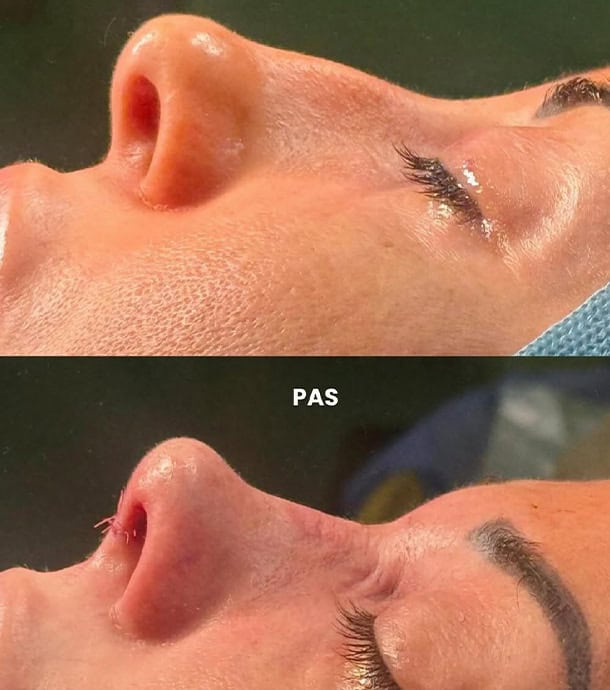
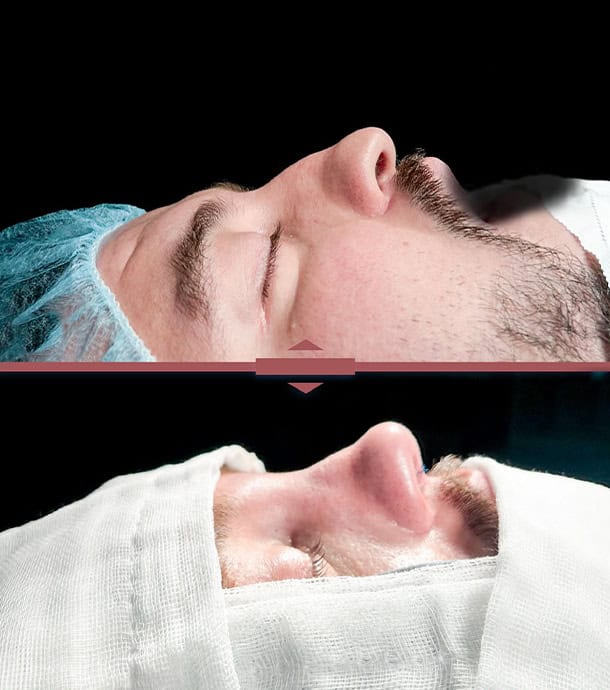
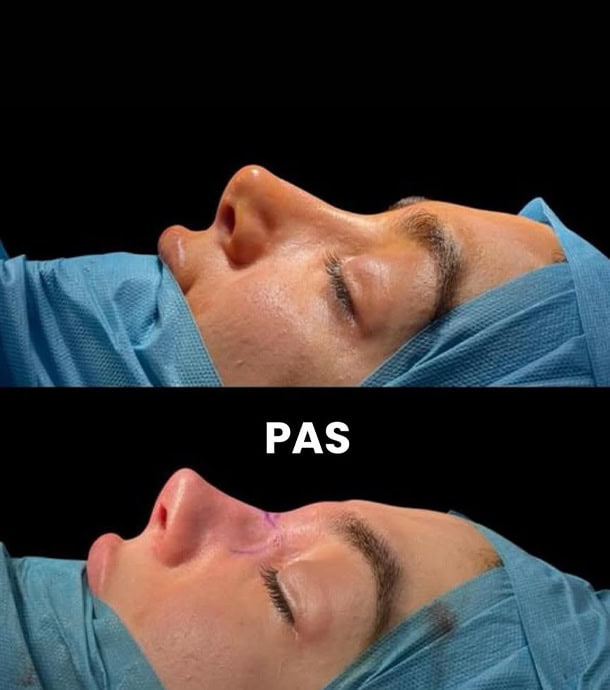
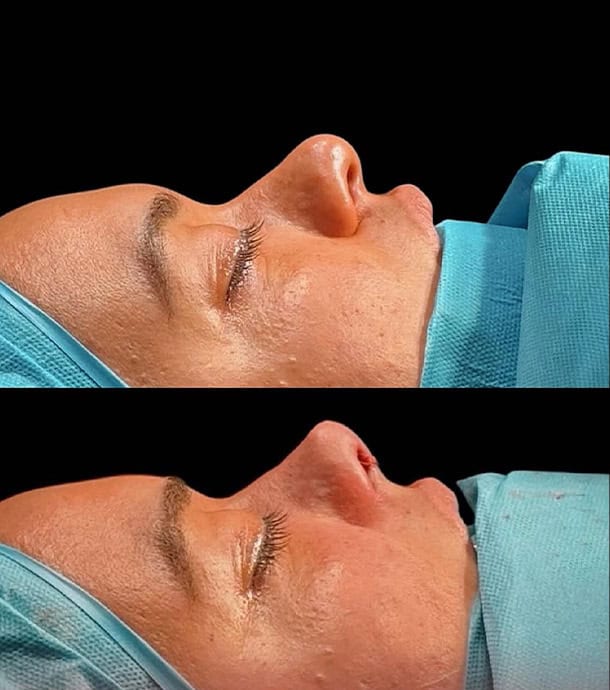
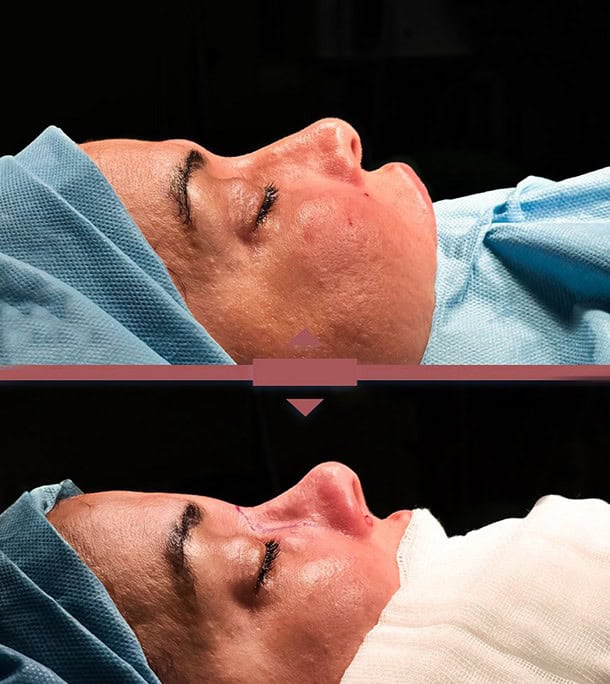
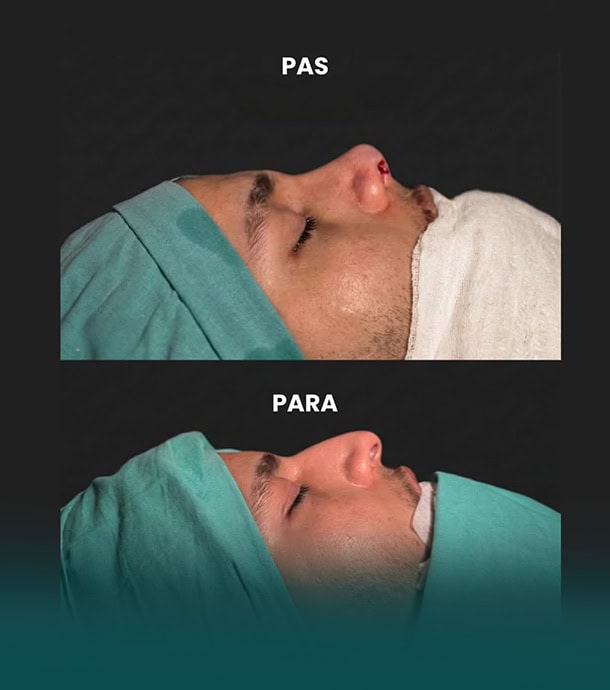
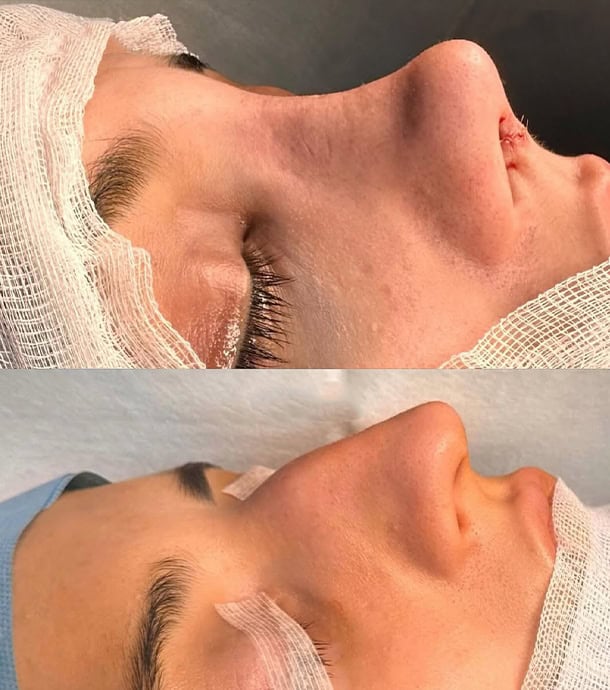
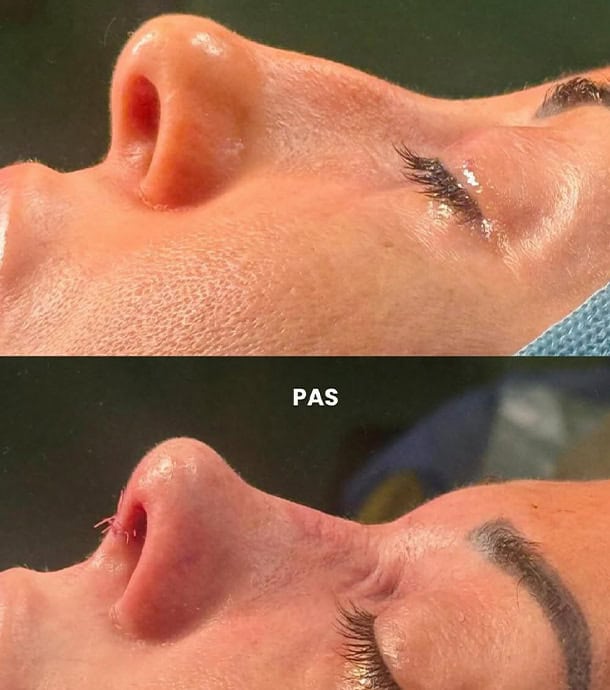
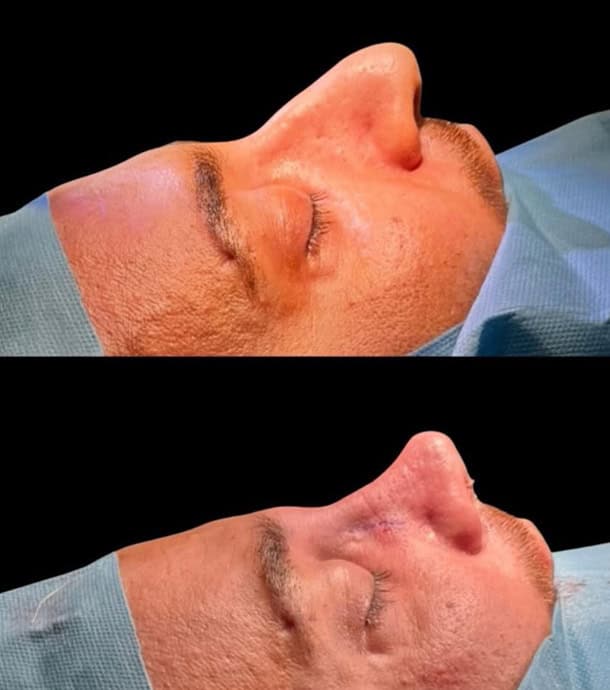
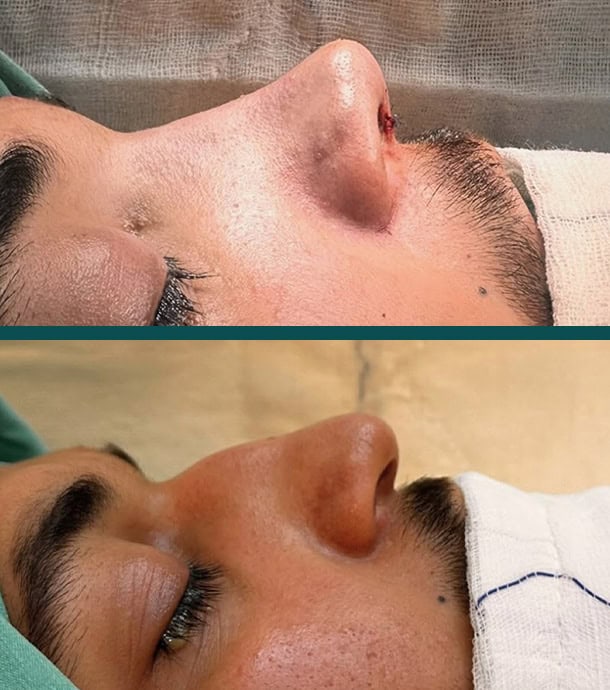
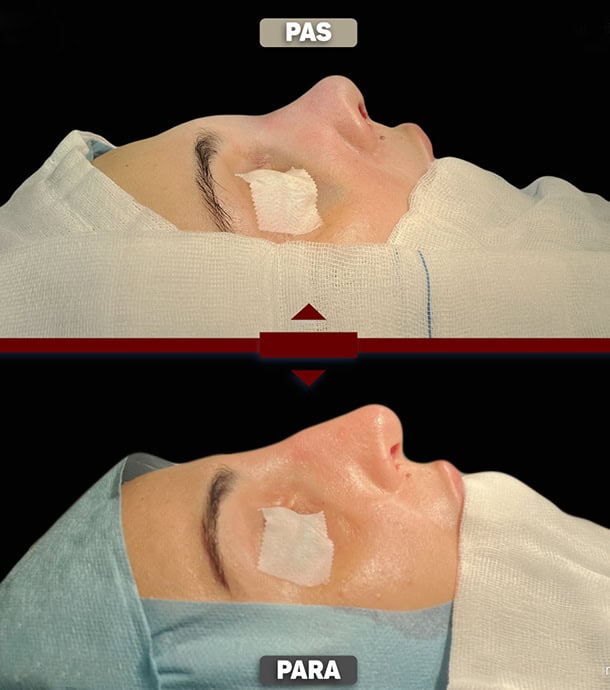
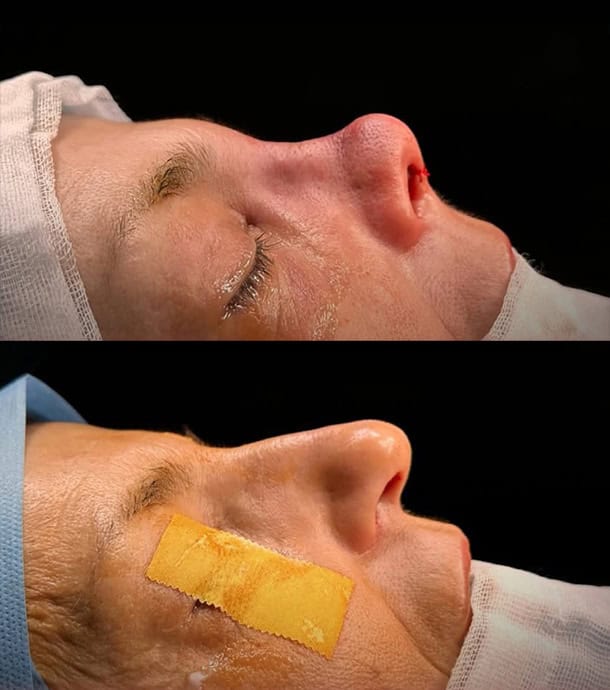
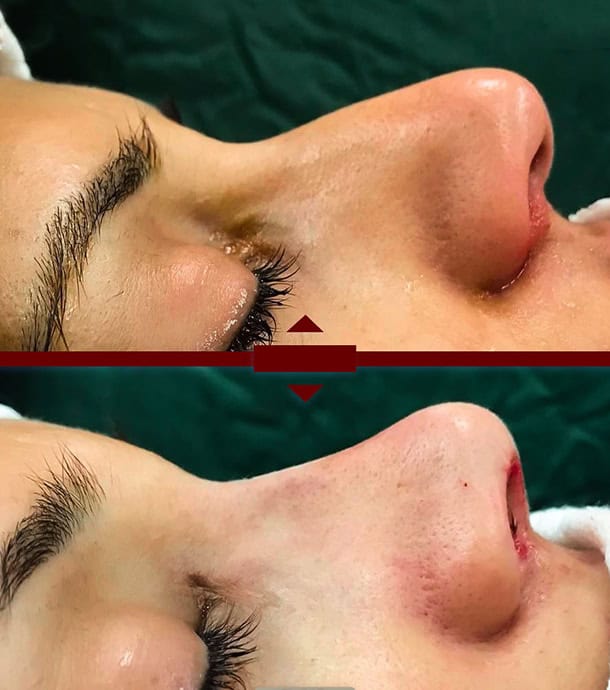
Real, Life-Changing Transformations
Experience the impact of expert care through the voices of our patients. Watch real testimonials from those who trusted American Hospital for their smile makeover.




How Rhinoplasty Is Performed
Rhinoplasty begins with a detailed consultation to assess the nose’s shape, internal structure, skin thickness, cartilage strength, and breathing function. Computer imaging and photographs are often used to visualize potential results and create a precise surgical plan based on your goals and medical history. Before surgery, you’ll receive clear pre-operative instructions covering medications, supplements, and smoking cessation to ensure a safe procedure and smooth recovery.
The surgery is performed under general anesthesia and typically lasts between one and four hours, depending on complexity. During the procedure, bone and cartilage are carefully reshaped to refine the nose’s appearance and improve balance, symmetry, and breathing when needed. Once completed, the incisions are closed with fine sutures, an external nasal splint is applied for protection, and internal supports may be used to stabilize the nose during healing.
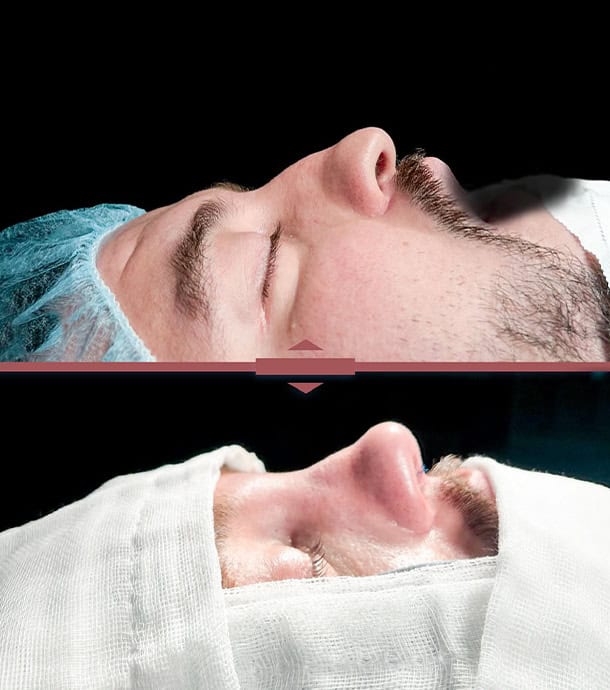
Is Rhinoplasty Right for You?
Rhinoplasty may be life-changing if nasal appearance concerns affect your confidence, if breathing difficulties impact quality of life, or if facial harmony is disrupted by disproportionate nose. Good candidates have realistic expectations, understand the commitment required, are in good health, and pursue surgery for appropriate reasons.
Rhinoplasty is among the most complex cosmetic procedures. Results can be transformative, but choosing an exceptionally skilled surgeon is absolutely critical.
At American Hospital, rhinoplasty specialists use advanced techniques to create natural-looking results that enhance facial harmony while respecting individual ethnic features and aesthetic goals. A comprehensive consultation evaluates your unique nasal anatomy and determines which surgical approach will achieve a beautiful, balanced, proportionate nose that enhances your entire face.
Book a Personalized Consultation with a Specialized Surgeon
Our Patients Wanted to Share This with You
+400,000 Happy Clients and Counting

Came from Milan for breast augmentation. I was very scared at first. Doctor explained everything simple and clear. Result looks natural, exactly what I wanted. Recovery was ok, first days little pain but normal. Very happy I did this.
I travelled from Rome for rhinoplasty. My nose was broken years ago and also I didn’t like the shape. Now breathing better and profile looks much nicer. Hospital very modern, staff very kind. I would do it again here.
I did liposuction on stomach and flanks. I tried gym and diets but nothing worked. Now body looks more balanced. Surgery went smooth, nurses checked me many times. Tirana was also a very nice city to explore.
Came from Bologna for facelift. I didn’t want dramatic change, just look fresher. Result very natural, friends say I look rested not “operated”. Healing was faster than I expected. Very professional team.
I came from Florence for tummy tuck after weight loss. I had loose skin that bothered me a lot. Doctor was honest about scar and recovery time. Now 3 months later I feel much more confident. So worth it for me!
Travelled from Turin for eyelid surgery (blepharoplasty). I always looked tired before. Now eyes look open and fresh but still natural. Surgery day was well organised, I felt safe all the time with staff on me 24/7.

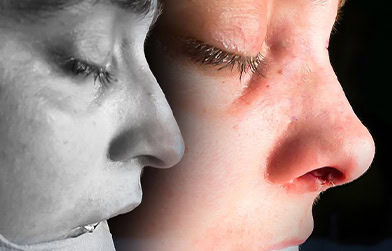
Maximizing Your Rhinoplasty Results
Protect your nose vigilantly: Avoid any trauma to the nose for at least 6–8 weeks, as even minor bumps can negatively affect surgical results.
Avoid contact sports: High-impact activities should be avoided for 3–4 months, and protective gear should be used when returning to sports.
Follow all post-operative instructions: Keeping the head elevated, avoiding nose blowing, using saline spray, and preventing glasses from resting on the nose are essential for proper healing.
Be patient with the healing process: Swelling resolves gradually, with major improvement in the first few months and final refinement taking up to one year, especially in the nasal tip.
Protect from sun exposure: Direct sunlight can cause permanent discoloration of healing tissues, making sun avoidance and high-SPF sunscreen crucial.
Maintain realistic expectations: Rhinoplasty enhances nasal harmony and balance, but minor asymmetries are normal and the goal is refinement, not perfection.
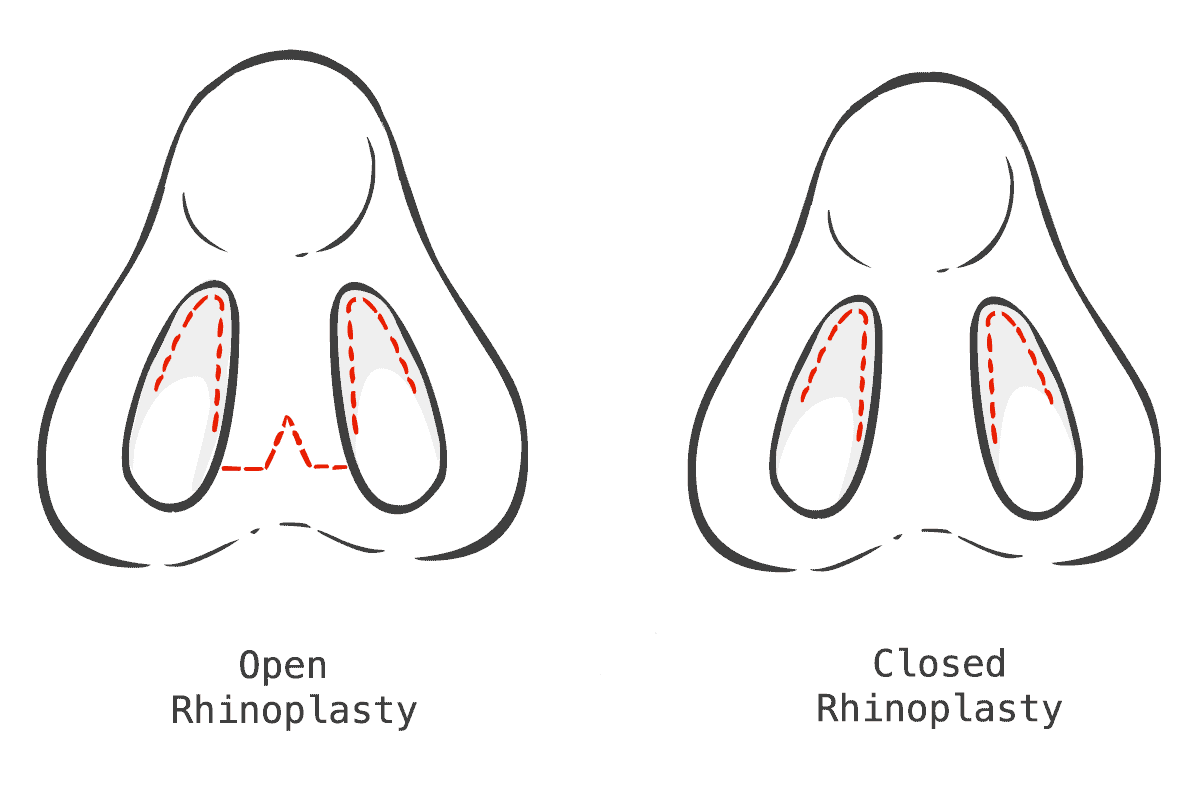
Open vs. Closed Rhinoplasty Techniques
Open rhinoplasty approach
Open rhinoplasty involves a small external incision across the columella (the tissue between nostrils). This allows the surgeon to lift the nasal skin and visualize all structures directly.
The open approach provides maximum access and visibility, allowing precise adjustments. It’s preferred for complex cases, significant reshaping, tip work, and revision surgery.
The tiny columellar scar heals to a nearly invisible line. Most patients find this minimal scarring completely acceptable for superior surgical access.
Closed rhinoplasty approach
Closed rhinoplasty uses only internal incisions with no external scarring. All work is done through the nostrils without lifting the nasal skin.
The closed approach offers faster healing and no external scar. However, visualization is limited, making precise adjustments more challenging.
Closed rhinoplasty works well for straightforward cases requiring less extensive changes. More complex reshaping benefits from open approach visibility.
Why our patients choose Us?
Clear communication in English, Italian, Greek, German and Albanian. We ensure you understand every step of your journey, from consultation to recovery.
Internationally trained surgeons with extensive experience in aesthetic and reconstructive surgery.
Complete support from arrival to departure. We arrange airport transfers, accommodation, and all logistics so you can focus entirely on your treatment and recovery.
Clear, upfront pricing with no hidden costs. Save 60-70% compared to Italy, UK, and Germany while receiving the same quality care in a modern hospital setting.
Common Reasons for Choosing Rhinoplasty
Dorsal Hump or Bridge Irregularities
A visible bump on the nasal bridge, known as a dorsal hump, is one of the most common reasons people seek rhinoplasty. Whether genetic or caused by trauma, this feature can make the nose appear larger and disrupt facial balance, while smoothing the bridge often creates a more refined profile and a noticeably harmonious look.
Bulbous or Undefined Nasal Tip
A wide or poorly defined nasal tip can give the nose a heavy appearance and feel disproportionate to the rest of the face. Tip refinement focuses on reshaping the underlying cartilage to improve definition and projection, requiring a high level of surgical expertise to achieve natural, elegant results.
Nasal Width or Nostril Concerns
Some individuals feel their nose is too wide or that the nostrils are overly flared, particularly when viewed from the front. Rhinoplasty can narrow the nasal base and refine the nostrils in a subtle, proportionate way that enhances appearance while preserving natural breathing function.
Crooked or Asymmetrical Nose
A crooked or asymmetrical nose can affect both facial aesthetics and breathing, often due to genetics or past injury. Correcting this requires precise surgical techniques to realign nasal bones and structures, with the goal of achieving a straighter, more balanced appearance and improved function.
Breathing Difficulties
Functional rhinoplasty addresses internal nasal issues such as a deviated septum or narrow airways that restrict breathing. Many patients experience a significant improvement in quality of life once these problems are corrected, especially when functional and cosmetic concerns are treated together.
Ethnic Rhinoplasty Desires
Ethnic rhinoplasty focuses on refining specific nasal features while respecting and preserving a patient’s ethnic identity. The objective is enhancement rather than transformation, ensuring results remain natural and culturally harmonious.
Previous Trauma or Injury
Nasal injuries or fractures can leave lasting changes in shape and function, even years after the incident. Reconstructive rhinoplasty restores structure, straightens the nose, and improves breathing, helping patients regain both confidence and comfort.
Age-Related Nasal Changes
As the face ages, the nose may appear longer, the tip may droop, and skin thickness can increase. Rhinoplasty can address these changes, restoring a more youthful nasal shape that complements overall facial rejuvenation.
Types of Rhinoplasty Procedures
Primary Cosmetic Rhinoplasty
Primary cosmetic rhinoplasty is a first-time nose surgery performed to improve appearance and facial balance. It addresses concerns such as size, shape, or proportions, with the goal of enhancing the nose in a way that looks natural and complements the rest of the face.
Functional Rhinoplasty (Septoplasty)
Functional rhinoplasty is designed to improve breathing by correcting internal nasal structures such as a deviated septum or enlarged turbinates. These procedures often include subtle aesthetic refinements, allowing both breathing function and appearance to be improved in a single surgery.
Revision Rhinoplasty
Revision rhinoplasty is performed to correct or improve the results of a previous nose surgery. Because scar tissue and altered anatomy are involved, this type of procedure is more complex and requires a surgeon with advanced expertise and experience in revision cases.
Reconstructive Rhinoplasty
Reconstructive rhinoplasty restores noses affected by trauma, birth defects, cancer surgery, or failed previous procedures. The goal is to rebuild both form and function, often using advanced techniques and cartilage grafts to achieve stable, long-lasting results.
Recovery Timeline After Rhinoplasty
First 24-48 hours
- Moderate facial swelling and significant bruising around eyes
- Nasal congestion requiring mouth breathing
- Pressure and discomfort—rarely severe pain
- External splint and possibly internal packing in place
- Sleep with head elevated on multiple pillows
- Apply cold compresses around eyes (not on nose)
- Take prescribed pain medication
- Rest and minimal activity
Days 3-7: First week
- Bruising peaks around day 2-3 then begins fading
- Significant facial swelling continues
- Internal splints/packing removed around day 5-7—major relief
- External splint remains for full week
- Can shower once internal splints removed
- Cannot blow nose yet
- Take full week off work minimum
- Avoid strenuous activity completely
Weeks 3-4: Major improvement
- About 70-80% of obvious swelling resolved
- Bruising completely gone
- Breathing significantly better if functional work done
- Resume most normal activities
- Light cardio (walking) approved
- Glasses require special support or padding
- Results emerging but still swollen
Months 2-3: Near-final appearance
- Major swelling resolved—about 80-90% final result visible
- Looking natural and refined
- Breathing excellent if functional work done
- Can resume all activities
- Light regular touch to nose okay
Months 6-12: Final results
- Final refinement occurs throughout first year
- Tip swelling takes longest to resolve completely
- Final shape and definition visible by 12 months
- Results are stable and permanent
- Scars (if open approach) virtually invisible
- Complete satisfaction with transformation
Understanding Rhinoplasty Risks
Rhinoplasty is complex surgery with potential complications:
- Breathing difficulties: Worsened airflow from scarring, over-resection, or structural weakness
- Infection: Rare but possible; can affect cartilage if occurs
- Bleeding: Minor bleeding normal; significant bleeding uncommon
- Septal perforation: Hole in nasal septum (rare but serious)
- Nasal collapse: Structural weakness from excessive cartilage removal
- Asymmetry: Perfect symmetry impossible; noticeable differences may occur
- Over-correction or under-correction: Too much or too little change
- Scarring: Open approach leaves small scar; rarely problematic
- Numbness: Temporary or rarely permanent altered sensation
- Skin problems: Irregularities, prolonged redness, or healing issues
- Unsatisfactory aesthetic result: Subjective dissatisfaction
- Need for revision: 10-15% of patients pursue revision surgery
- Nasal obstruction: Scar tissue or structural changes impair breathing
At American Hospital, board-certified surgeons with extensive rhinoplasty experience minimize risks through meticulous technique, proper patient selection, and comprehensive care.
Choosing your surgeon carefully is the single most important factor in minimizing risks and achieving excellent results.
Scarring and Incision Considerations
Open rhinoplasty scar
The small inverted-V columellar scar heals excellently in most patients. Within 3-6 months, it becomes a faint line barely visible even on close inspection.
The scar’s location on the underside of the nose makes it nearly invisible from normal viewing angles.
Proper wound care, avoiding sun exposure, and sometimes silicone treatments optimize scar healing.
Closed rhinoplasty
Closed approach leaves no external scarring; all incisions are inside the nostrils. This is cosmetically ideal but limits surgical access.
Rhinoplasty FAQs
Have questions about aesthetic or medical treatments in Albania? We provide clear, transparent answers to help you feel informed, confident, and comfortable throughout your entire journey.
Most patients describe pressure and congestion rather than severe pain. Discomfort is well-managed with medication. The most bothersome aspect is nasal congestion and mouth breathing, not pain. By one week, minimal pain medication is typically needed.
Major swelling resolves within 2-3 months, revealing about 80% of your final result. Complete refinement, especially tip definition, takes a full year. Patience is essential. Results continue improving throughout the first year.
Yes, when performed by skilled surgeons. Modern rhinoplasty creates refined noses that look completely natural, like you were born with them. The goal is enhancement that improves facial harmony, not an obviously surgical appearance.
Yes, functional rhinoplasty effectively addresses structural breathing issues. Septoplasty, turbinate reduction, and valve repair dramatically improve airflow. If breathing problems stem from allergies or inflammation rather than structure, surgery helps less.
Glasses shouldn’t rest on your nose for 6-8 weeks. Use tape, special supports, or switch to contact lenses temporarily. After healing completes, normal glasses wear resumes without issues.
Revision rhinoplasty can address unsatisfactory results, though it’s more complex than primary surgery. About 10-15% of rhinoplasty patients pursue revision. Choosing an experienced surgeon initially dramatically reduces revision likelihood.
Yes, rhinoplasty commonly combines with chin augmentation for profile balance. Other facial procedures can be combined based on goals and safety considerations.
Latest Articles
Get expert medical care tips and clinic updates—all designed to keep your smile healthy and bright.

Secondary Rhinoplasty: When Is Corrective Nose Surgery Needed?
Secondary rhinoplasty, also known as corrective rhinoplasty or revision rhinoplasty, is a procedure performed to improve … Read more
Read More
Secondary Rhinoplasty: When Is Corrective Nose Surgery Needed?
Secondary rhinoplasty, also known as corrective rhinoplasty or revision rhinoplasty, is a procedure performed to improve … Read more
Read More
Mini Abdominoplasty or Full Abdominoplasty: What Is the Difference?
Mini abdominoplasty and full abdominoplasty are two surgical procedures that aim to improve the appearance and … Read more
Read More
Liposuction for Men: Which Areas Are Treated Most Often?
Liposuction for men is a surgical procedure used to reduce localized fat deposits in specific areas … Read more
Read More
Facelift or Neck Lift: How Is the Right Procedure Chosen?
Facelift and neck lift are two surgical procedures that aim to improve signs of aging in … Read more
Read MoreRequest Your Free Quote
By submitting this form you are agreeing to our Privacy Policy. We guarantee not to disclose your information.