Before almost anything else — before the cost, before the surgeon, before the before-and-afters — most people considering a Brazilian butt lift want to know one thing: what is the recovery actually like?
It’s a fair question, and an important one. The BBL has a reputation for being one of the more demanding recoveries in cosmetic surgery — not because it’s particularly painful, but because the restrictions are real, they last longer than most procedures, and following them carefully is directly tied to how good your final result will be.
The good news is that recovery is entirely manageable when you know what to expect and you plan around it properly. Thousands of patients go through BBL recovery every year and come out the other side with results they’re genuinely thrilled with. The ones who struggle are almost always the ones who underestimated the sitting restriction or rushed back to normal life too soon.
This guide gives you the honest, complete picture — week by week, from the day of surgery to the moment your final result is visible.
What Happens During a BBL: A Quick Recap
Understanding recovery starts with understanding what the surgery actually does to your body, because the two are closely connected.
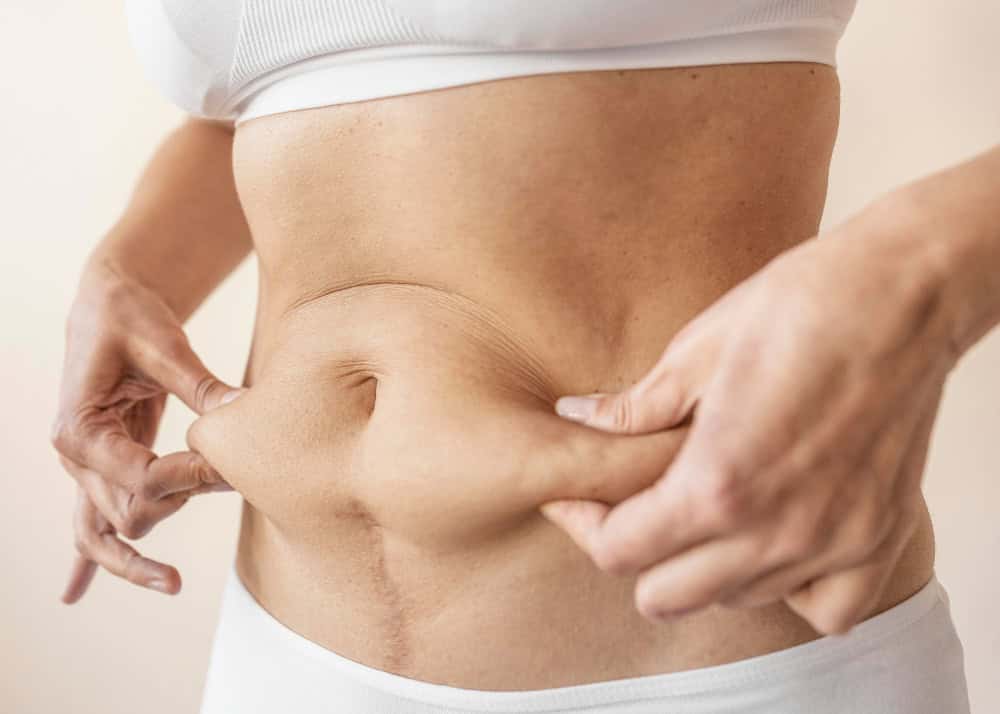
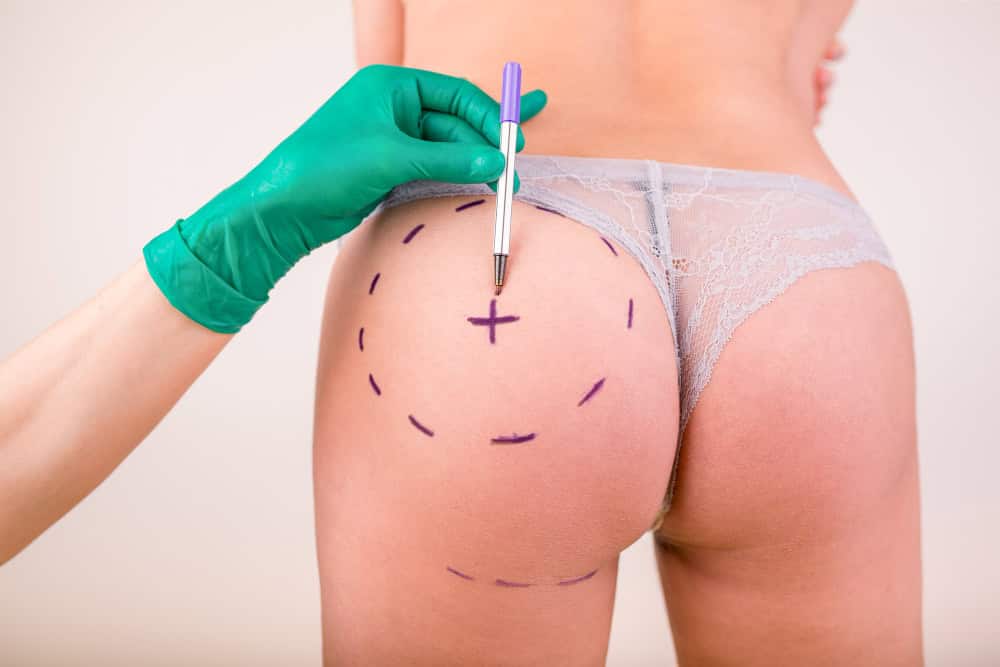
A Brazilian butt lift is a two-part procedure. First, liposuction is used to remove fat from donor areas — typically the abdomen, flanks, lower back, and thighs. This fat is then processed and purified before being carefully injected into the buttocks in multiple layers to create volume, shape, and projection.
Because the transferred fat consists of living cells that need to establish a new blood supply in their new location, the way you treat your body in the weeks after surgery directly affects how much fat survives. Fat that is compressed — by sitting or lying on your back — is deprived of blood flow before it can integrate, and a portion of it will be reabsorbed by the body.
This is the reason behind the most discussed aspect of BBL recovery: the sitting restriction. It’s not arbitrary. It’s biology.
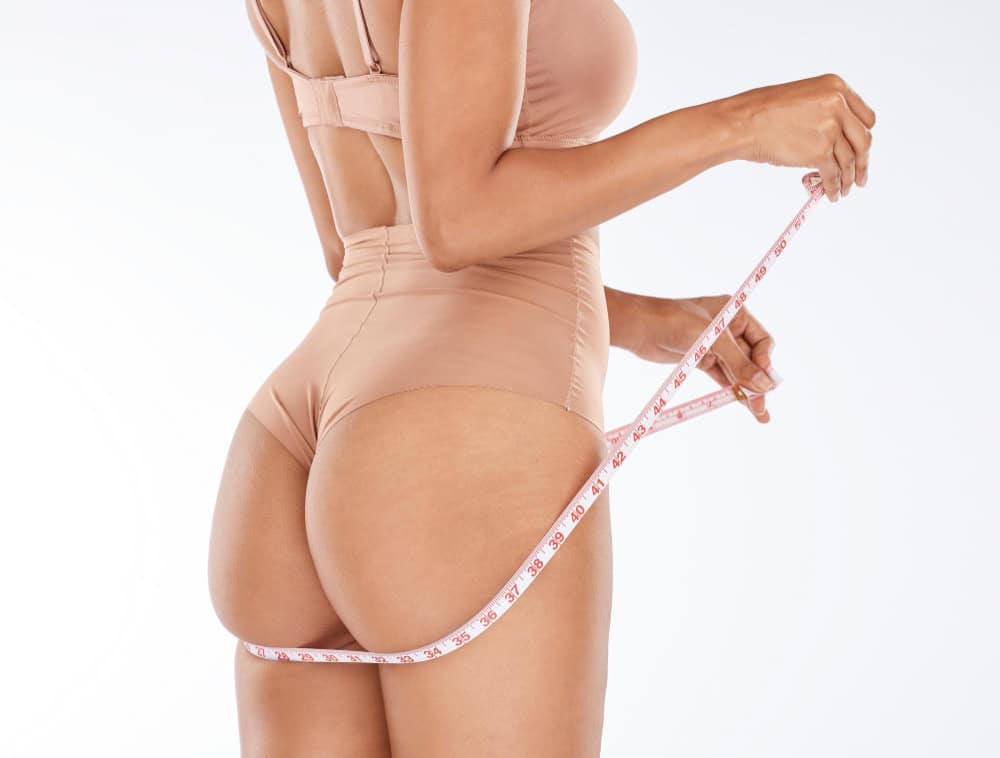
Week by Week: The BBL Recovery Timeline
Days 1–3: The Hardest Part Is the First 72 Hours
The first three days after a BBL are the most physically uncomfortable and logistically challenging of the entire recovery. This is also when the sitting restriction is most critical.
Pain and discomfort: Most patients describe the sensation as a combination of soreness from the liposuction areas and a feeling of fullness and pressure in the buttocks. It is uncomfortable, but rarely described as severe pain. Prescribed pain medication manages it effectively. The liposuction donor sites — abdomen, flanks, back — are often more uncomfortable than the buttocks themselves.
Swelling and bruising: Significant swelling affects both the liposuction areas and the buttocks. Bruising is common across the donor sites. This is normal and expected — it does not indicate anything has gone wrong.
The sitting restriction: You cannot sit directly on your buttocks for the first 2–3 weeks minimum. This means sleeping face down or on your side, and using a specially designed BBL pillow (also called a booty pillow) when you need to sit — placed under the thighs so your weight is supported there rather than on the buttocks themselves. Your hospital will provide guidance on the correct pillow and position.
Compression garments: You’ll be wearing a compression garment over the liposuction areas continuously. This reduces swelling, supports healing tissue, and helps the skin contract to your new contour. It stays on almost all the time for the first several weeks.
Drains: Some patients have small surgical drains in place for the first 24–48 hours to remove excess fluid from the liposuction areas. These are removed before you leave the hospital or at your first follow-up.
Days 4–7: Getting Through the First Week
By day four, most patients feel meaningfully better than they did immediately post-surgery. The acute soreness begins to ease and mobility improves — though you’re still moving carefully and spending most of your time horizontal or in modified positions.
What improves: Pain levels drop significantly for most patients. Sleeping becomes easier as you adjust to the face-down position. Appetite returns. Most patients can shower by day 3–4, which makes a real difference to how you feel.
What persists: Swelling remains significant and may actually appear to peak around days 4–5 before beginning to reduce. Bruising spreads before it fades — this is normal. The compression garment stays on continuously.
Practical logistics: This is the week where planning ahead matters most. You need to have food easily accessible, a comfortable face-down sleeping setup, your BBL pillow ready for any sitting, and someone available to help with basic tasks if possible. International patients staying in Tirana for recovery will find that hotel staff are generally understanding and accommodating — and that Tirana’s food delivery options are excellent for days you don’t want to go out.
Week 2: The First Signs of Progress
The second week marks a turning point for most BBL patients. The worst of the discomfort is behind you, mobility improves considerably, and you start to get your first glimpse of what your results might look like — though it’s still far too early to draw any conclusions from what you see in the mirror.
Sitting: The strict no-sitting rule continues through week two for most patients. Some surgeons begin allowing modified sitting with a BBL pillow at the two-week mark — your surgeon will advise based on how your healing is progressing. Under no circumstances should you sit normally on a hard chair or sofa without the pillow during this period.
Activity: Light walking is not only permitted but encouraged from the first days after surgery — short, gentle walks improve circulation and reduce the risk of blood clots. By week two, you can increase the duration of these walks. No strenuous exercise, no heavy lifting, no activities that compress the buttocks.
Work: If you work remotely or at a desk, many patients return to light work in week two using a standing desk or working from a lying position with a laptop. Physically demanding jobs require more time off — discuss this with your surgeon based on what your work involves.
Compression garment: Still being worn continuously during the day, though some surgeons allow removal during sleeping hours from week two onward.
Weeks 3–4: The Restriction Eases
This is the phase most patients are waiting for — the gradual return to something resembling normal life.
Sitting: Most surgeons give clearance to sit normally — without the BBL pillow — at the four-week mark, provided healing has progressed well. The exact timing varies between patients and is confirmed at your follow-up. When you do return to sitting, start with soft surfaces (a sofa or cushioned chair) before hard surfaces, and avoid sitting for prolonged periods without breaks.
Exercise: Light lower-body movement is usually permitted from week three — bodyweight squats, light walking at a brisker pace, gentle stretching. High-impact exercise, heavy lifting, and anything that involves sustained pressure on the buttocks comes later.
What you see: Swelling is still present but noticeably reduced compared to week one. The shape is becoming more visible. However — and this is important — what you see at four weeks is not your final result. The fat settling process continues for months, and the shape will continue to refine.
Weeks 5–8: Returning to Normal Life
By week five, most patients are living something close to their normal lives. The major restrictions have been lifted, the compression garment schedule is winding down, and energy levels are back to baseline.
Exercise: Most patients get clearance for full exercise — including cardio, weight training, and targeted glute work — between weeks six and eight. Rebuilding the glute muscles through exercise actually complements the BBL result by adding muscle tone beneath the transferred fat.
Compression garment: Typically transitioned to wearing only at night, or discontinued entirely, based on your surgeon’s guidance.
Fat survival: By week six to eight, the fat that has survived — successfully integrated and established its own blood supply — is permanent. The fat that your body reabsorbed is gone. The shape you see now is close to your final result, though fine-tuning continues.
Months 3–6: Your Final Result
The full, final result of a BBL is visible between three and six months after surgery. By this point, all swelling has resolved, the transferred fat has fully integrated, and the contour is stable.
On average, approximately 60–80% of transferred fat survives long-term. Experienced surgeons account for this during the procedure by transferring slightly more fat than the final desired volume — the expected settling is built into the surgical plan. Your surgeon will discuss realistic expectations for fat survival during your consultation.
The result is permanent in the sense that the surviving fat cells are permanent residents in their new location. However, significant weight changes after surgery will affect the result — weight gain causes the transferred fat to enlarge along with the rest of your body, and significant weight loss can reduce the volume of the result.
The Sitting Restriction: Everything You Need to Know
Because this is the aspect of BBL recovery that patients find most challenging — and most confusing — it deserves its own dedicated section.
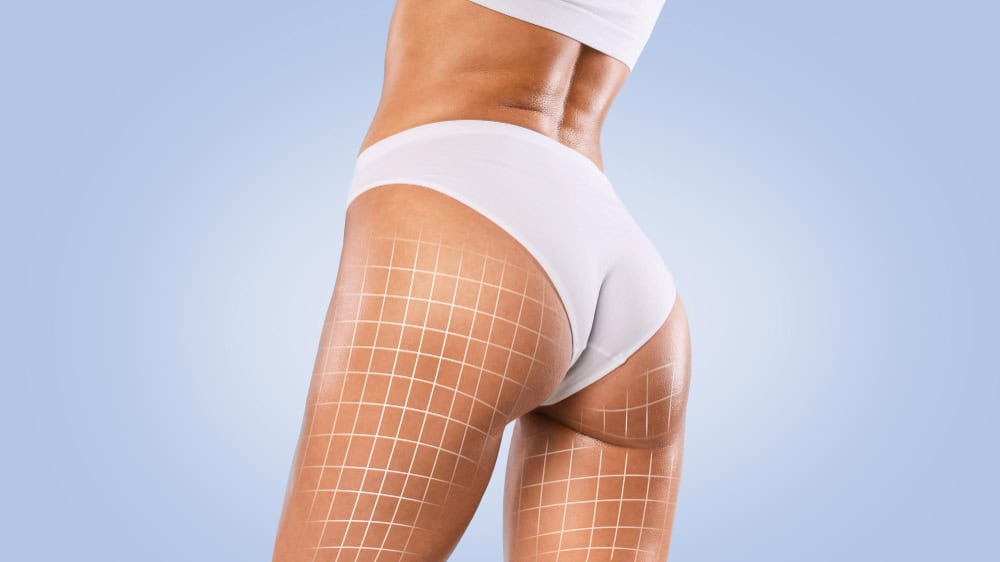
Why can’t you sit? The transferred fat cells need approximately 2–3 weeks to develop a new blood supply (a process called vascularisation). During this window, any sustained pressure on the buttocks compresses the fat cells and cuts off the blood flow they need to survive. Compressed fat cells die and are reabsorbed by the body, reducing your final volume and potentially affecting the shape of your result.
How strict is the restriction? Very strict for the first two weeks. Zero direct sitting on the buttocks — this means no chairs, no toilets (use a raised toilet seat or hover briefly), no car seats without a BBL pillow. Face-down or side-lying sleeping only.
What about the BBL pillow? A BBL pillow (booty pillow) is a specially shaped cushion that supports your weight on your thighs, not your buttocks. It allows you to sit at a table, eat meals, work at a laptop, and travel in a car without putting pressure on the transferred fat. It is essential equipment for the first 3–4 weeks of recovery.
Flying after a BBL: Most surgeons recommend waiting at least 2–3 weeks before flying. For international patients recovering in Tirana, this means planning your return journey for no earlier than day 14–21. When you do fly, use your BBL pillow for the duration of the flight and walk the aisle regularly.
Practical Tips for a Smoother Recovery
These are the things experienced BBL patients wish they’d known before surgery:
Prepare your sleeping setup before you travel.
Face-down sleeping is uncomfortable if you’re not used to it. Practice in the weeks before surgery. Invest in a good pillow arrangement that supports your chest and hips without straining your neck.
Bring your compression garment and BBL pillow home from Albania.
American Hospital provides these as part of your post-operative kit, but confirm this during your pre-operative appointment so you’re not scrambling to source them abroad.
Plan your return flight carefully.
A window seat is not your friend when you need to get up and walk regularly. Book an aisle seat. Inform the airline of your recent surgery — most carriers are accommodating with special seating arrangements.
Eat well and stay hydrated.
Your body is healing from two procedures simultaneously — liposuction and fat transfer. Protein, hydration, and micronutrients support tissue repair and fat cell survival. This is not the time to diet aggressively.
Do not massage the buttocks.
Unlike liposuction recovery — where lymphatic massage is often recommended — the buttocks should not be massaged during the critical vascularisation window. Your surgeon will advise on when and if massage is appropriate later in recovery.
Expect emotional ups and downs.
The post-surgical period involves significant swelling, restricted mobility, and a result that looks very different from what it will eventually become. Many patients experience a dip in confidence or mood around weeks two and three. This is normal, well-documented, and temporary. Your final result at three to six months will look very different from what you see at three weeks.
BBL Recovery in Albania: What International Patients Need to Know
For patients travelling to American Hospital Tirana for a BBL, recovery logistics are worth thinking through in advance.
Length of stay: We recommend a minimum stay of 7–10 days for BBL patients. This covers the most critical phase of recovery, your post-operative check-up, and drain removal if applicable, before you return home.
Accommodation: Tirana has comfortable hotels well-suited to post-operative recovery. Your patient coordinator can recommend options that are close to the hospital and practical for patients with mobility restrictions in the early days.
Follow-up after returning home: Our team provides remote follow-up support via video call throughout your recovery. You’ll have direct contact with your care team for questions and reassurance during the weeks after you return home.
What to bring: Loose, soft clothing that doesn’t put pressure on the buttocks or liposuction areas — think flowing trousers, dresses, or shorts. Nothing tight around the waist or hips beyond the compression garment itself.
Frequently Asked Questions
How much fat survives a BBL?
On average, 60–80% of transferred fat survives long-term. Your surgeon will transfer more than the final desired volume to account for expected reabsorption.
Will I lose my BBL results if I lose weight?
Significant weight loss after a BBL will reduce the volume of your results, since the transferred fat cells behave like fat cells anywhere else in your body. Moderate weight fluctuations have less impact. Maintaining a stable weight preserves your results best.
Can I sleep on my back after a BBL?
Not for the first 2–3 weeks. After that, your surgeon will advise on when back sleeping is safe based on your healing progress.
How long do BBL results last?
The fat that survives the initial healing period is permanent. BBL results are long-lasting — many patients maintain their results for a decade or more. The main factors that affect longevity are significant weight changes and the natural ageing process.
Is BBL recovery more difficult than tummy tuck recovery?
They are different rather than one being definitively harder. Tummy tuck recovery involves more pain and a longer period of restricted movement. BBL recovery is less painful but requires more behavioural adjustment — particularly the sitting restriction — for a longer period.
Can I combine a BBL with other procedures?
Yes. BBL is commonly combined with liposuction of additional areas, tummy tuck, or breast procedures. Your surgeon will advise on safe combinations based on your health and expected operating time.
Ready to Plan Your BBL in Albania?
A Brazilian butt lift is a significant procedure with a recovery that requires genuine commitment — but for patients who prepare properly and follow their surgeon’s guidance, the results are transformative and long-lasting. Albania offers the same surgical expertise and implant standards as Western Europe at a fraction of the cost, making it an increasingly popular destination for BBL patients from across the continent.
Contact American Hospital Tirana to schedule your consultation. We’ll walk you through everything — the procedure, the recovery, the logistics, and the realistic results you can expect — so you can make an informed decision with complete confidence.