
Scar Revision In Albania | American Hospital
Scar revision is for people who are unhappy with the appearance of visible scars caused by surgery, injury, or trauma. The procedure improves scar texture, size, or visibility to help the skin look more even and natural. At American Hospital, scar revision treatments are performed by experienced doctors using appropriate medical techniques based on the type of scar.
Chat via WhatsAppDiscover personalized advice from us specialist through a complimentary consultation.
What Is Scar Revision?
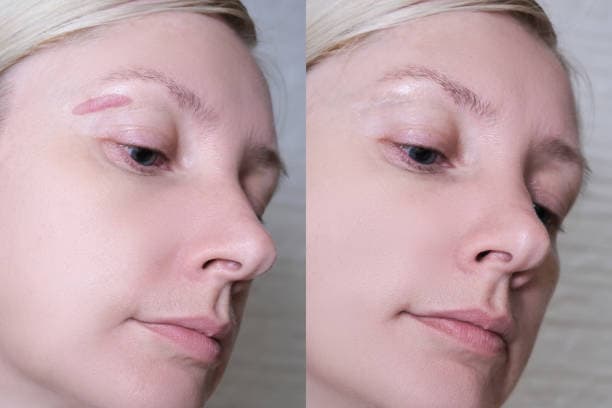
Scar Revision is a collective term for various medical and surgical procedures designed to minimize the appearance of scars and improve their overall aesthetic quality. The goal is to make scars less noticeable, more consistent with surrounding skin tone and texture, and to restore a more natural appearance to the affected area.
The treatment is particularly beneficial for individuals with prominent, raised, discolored, or irregularly textured scars resulting from surgery, injury, burns, or skin conditions. While no procedure can completely eliminate scars, modern revision techniques can significantly improve their appearance and restore confidence.
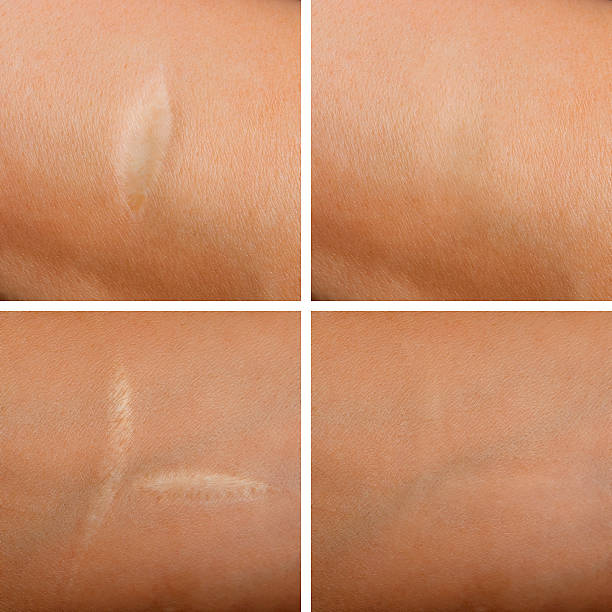
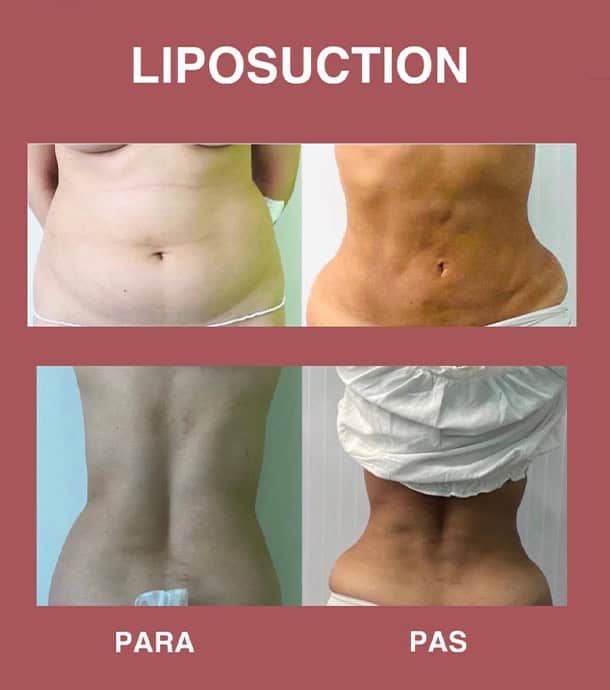
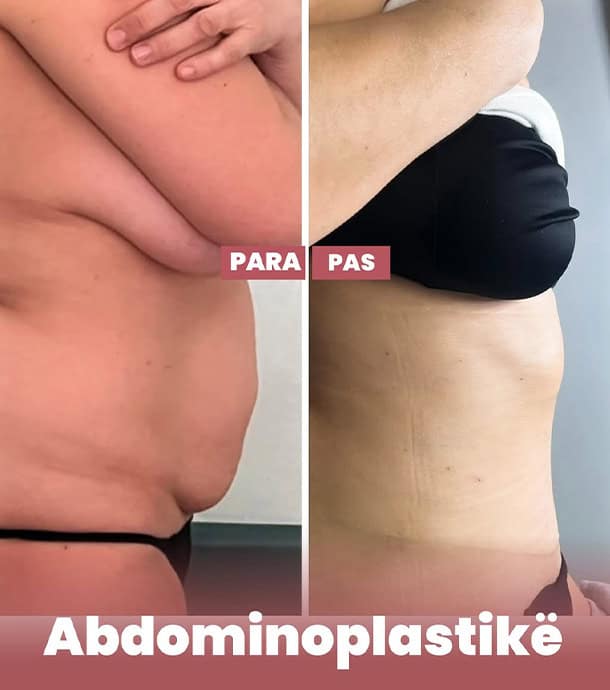
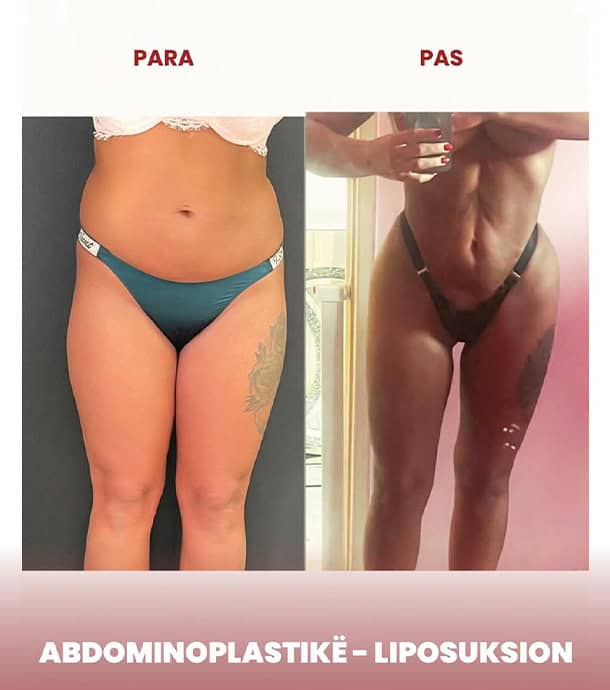
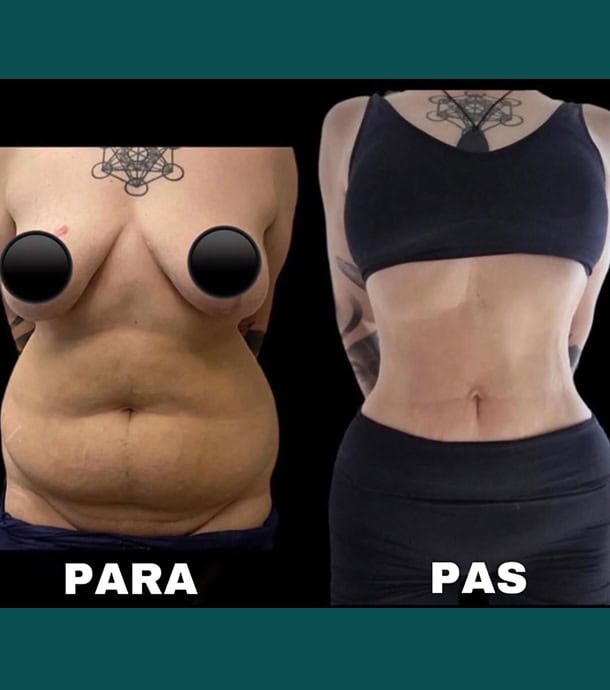
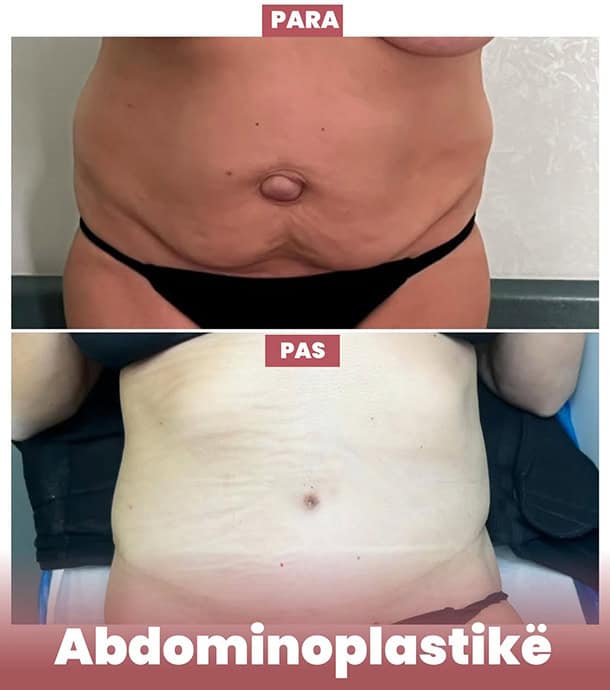
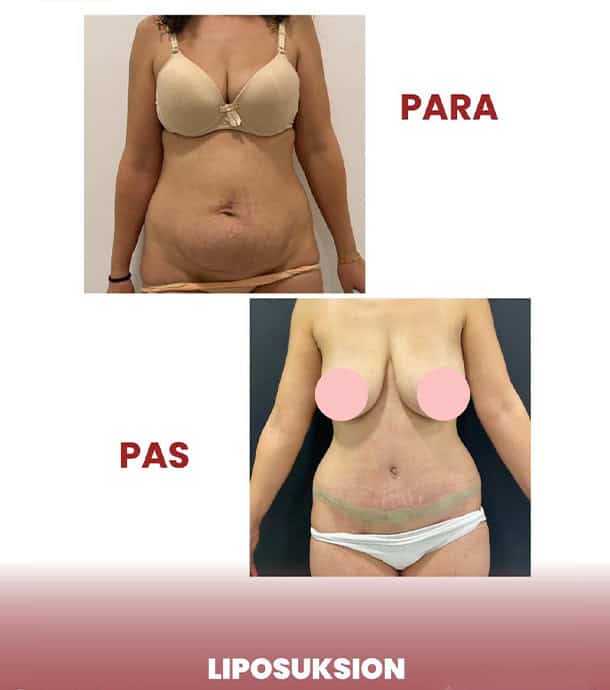
Real, Life-Changing Transformations
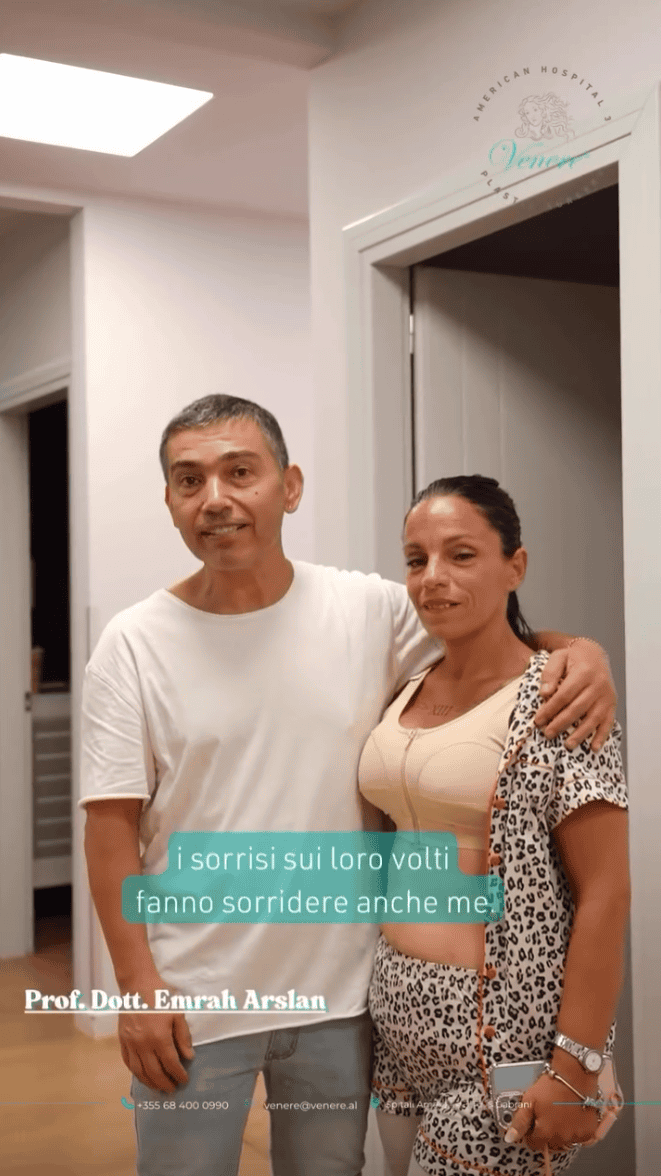
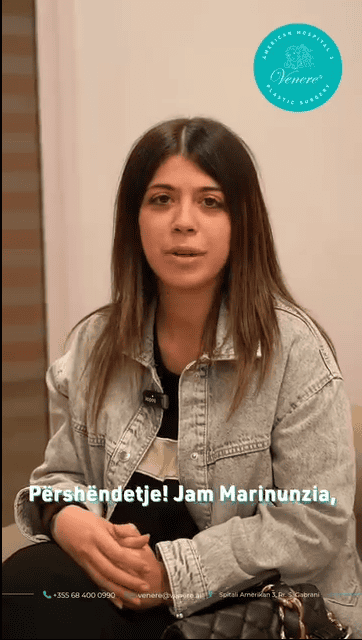
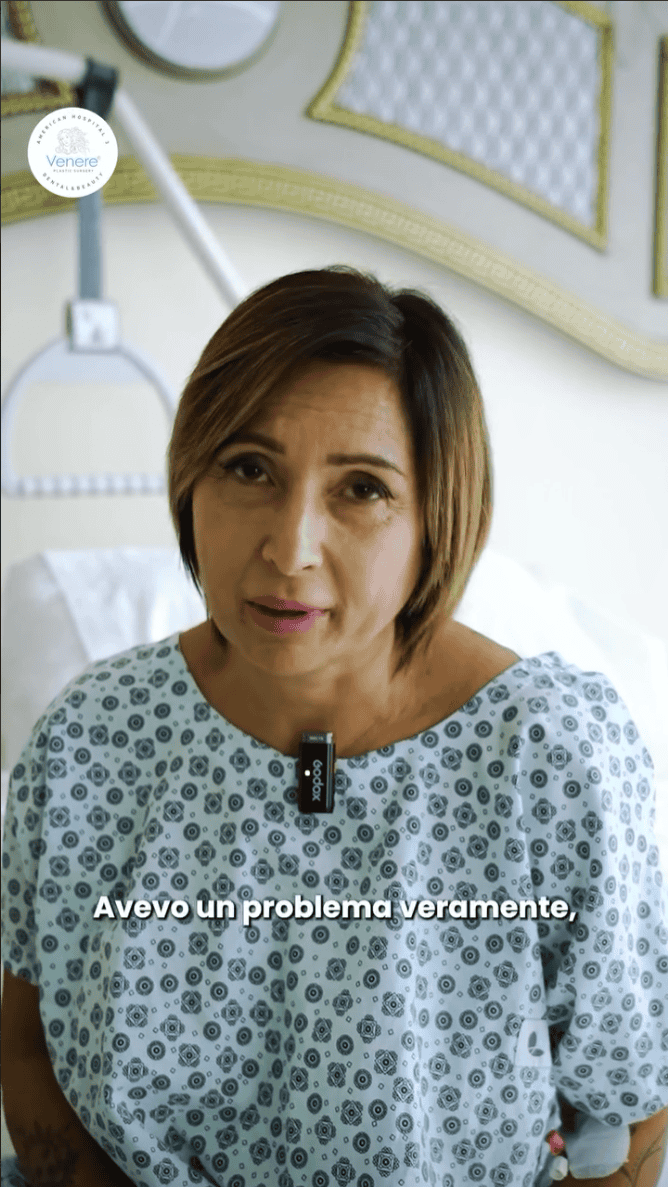
Experience the impact of expert care through the voices of our patients. Watch real testimonials from those who trusted American Hospital for their smile makeover.

How Long Does Scar Revision Take?
Scar Revision procedure time varies significantly depending on the technique used and the size and complexity of the scar being treated. Non-surgical treatments like laser therapy or injections typically take 15 to 45 minutes per session.
Minor surgical revisions of small scars usually require 30 minutes to 1 hour. More extensive surgical revisions involving complex techniques like Z-plasty, tissue expansion, or large scar excisions may take 1 to 3 hours or longer.
Multiple treatment sessions are often required for optimal results, particularly with non-surgical approaches. The total treatment timeline can span several months depending on the chosen technique and individual healing response.
Who Is A Good Candidate For Scar Revision?
Good candidates for scar revision are in overall good health with no uncontrolled medical conditions and have scars that are fully mature, typically at least one year old. Ideal patients are non-smokers or willing to stop smoking before and after the procedure, and they have adequate skin quality around the scar to support proper healing.
Scar revision is especially suitable for those with bothersome scars that affect appearance or confidence, including scars that are raised, depressed, discolored, or uneven in texture. Candidates should have realistic expectations about improvement rather than complete removal, understand that a new scar will form, and be willing to follow post-operative care and sun protection instructions while seeking better scar appearance and overall skin aesthetics.
Book a Personalized Consultation with a Specialized Surgeon
Our Patients Wanted to Share This with You
+400,000 Happy Clients and Counting

Came from Milan for breast augmentation. I was very scared at first. Doctor explained everything simple and clear. Result looks natural, exactly what I wanted. Recovery was ok, first days little pain but normal. Very happy I did this.
I travelled from Rome for rhinoplasty. My nose was broken years ago and also I didn’t like the shape. Now breathing better and profile looks much nicer. Hospital very modern, staff very kind. I would do it again here.
I did liposuction on stomach and flanks. I tried gym and diets but nothing worked. Now body looks more balanced. Surgery went smooth, nurses checked me many times. Tirana was also a very nice city to explore.
Came from Bologna for facelift. I didn’t want dramatic change, just look fresher. Result very natural, friends say I look rested not “operated”. Healing was faster than I expected. Very professional team.
I came from Florence for tummy tuck after weight loss. I had loose skin that bothered me a lot. Doctor was honest about scar and recovery time. Now 3 months later I feel much more confident. So worth it for me!
Travelled from Turin for eyelid surgery (blepharoplasty). I always looked tired before. Now eyes look open and fresh but still natural. Surgery day was well organised, I felt safe all the time with staff on me 24/7.

What Scars Are Suitable For Revision?
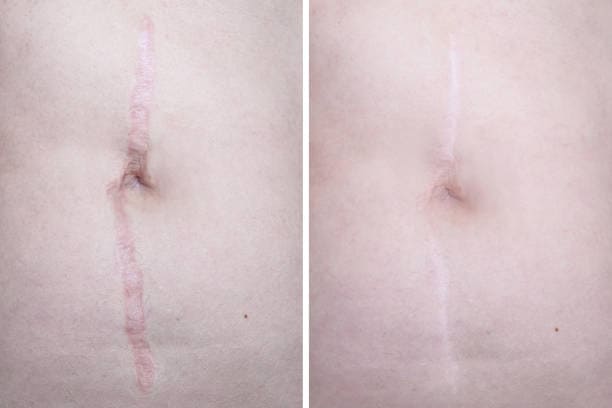
Most types of scars can be improved through revision techniques. Ideal candidates are mature scars (at least 1 year old) that are fully healed. Recent scars should be allowed to mature naturally before revision, as many improve significantly on their own during the first year.
Scars from surgery, injury, burns, acne, or skin conditions can all benefit from appropriate revision techniques. The specific approach depends on scar characteristics including size, location, thickness, color, and texture.
How Long Do Scar Revision Results Last?
Scar Revision results are generally permanent, as the improved scar represents healed tissue that will remain in that state. However, the final appearance depends on many factors including revision technique, post-procedure care, sun protection, and individual healing characteristics.
Certain scar types, particularly keloids, have higher recurrence rates even after successful revision. Additional treatments may be needed to maintain results and prevent regrowth in predisposed individuals.
Proper sun protection is crucial for maintaining results long-term. UV exposure can cause revised scars to darken permanently. Consistent sunscreen use preserves the improved appearance achieved through revision.
Why our patients choose Us?
Clear communication in English, Italian, Greek, German and Albanian. We ensure you understand every step of your journey, from consultation to recovery.
Internationally trained surgeons with extensive experience in aesthetic and reconstructive surgery.
Complete support from arrival to departure. We arrange airport transfers, accommodation, and all logistics so you can focus entirely on your treatment and recovery.
Clear, upfront pricing with no hidden costs. Save 60-70% compared to Italy, UK, and Germany while receiving the same quality care in a modern hospital setting.
Types Of Scars And Revision Approaches
Hypertrophic Scars
- Raised, thickened scars within original wound boundaries
- Red or pink in color, often itchy or uncomfortable
- Treated with steroid injections, laser therapy, or excision
- May benefit from silicone sheeting or pressure therapy
- Generally respond well to combination treatments
Keloid Scars
- Scars that grow beyond original wound boundaries
- Raised, thick, and often darker than surrounding skin
- More common in darker skin tones and certain body areas
- Treated with steroid injections, laser, cryotherapy, or radiation
- Challenging to treat with higher recurrence rates
Atrophic Scars
- Depressed scars below surrounding skin level
- Commonly from acne, chickenpox, or injury
- Treated with fillers, subcision, microneedling, or laser resurfacing
- May benefit from fat grafting for deeper depressions
- Often require multiple treatment sessions
Contracture Scars
- Scars that restrict movement, often from burns
- Skin tightens and may affect muscles and nerves
- Treated with Z-plasty, tissue expansion, or skin grafting
- May require physical therapy after revision
- Complex cases need specialized surgical expertise
Widened or Stretched Scars
- Scars that have spread wider over time
- Often in areas of high tension or movement
- Treated with surgical excision and careful re-closure
- May benefit from tension-relieving techniques
Scar Revision Techniques
Surgical Excision and Re-closure
The scar is surgically removed, and the wound is carefully re-closed using advanced techniques including layered closure, minimal tension methods, and precise alignment. The goal is creating a thinner, less noticeable scar following natural skin lines when possible.
Laser Scar Revision
Various laser technologies target different scar characteristics. Fractional lasers improve texture and stimulate collagen, while pulsed dye lasers reduce redness and vascular discoloration. Multiple sessions typically needed for optimal improvement.
Steroid Injections
Corticosteroid injections flatten raised scars by reducing inflammation and breaking down excess collagen. Multiple treatments spaced weeks apart are typically required. Particularly effective for hypertrophic scars and keloids.
Dermabrasion and Microdermabrasion
These techniques mechanically remove the top layers of skin to smooth irregular scar surfaces. Dermabrasion is more aggressive for deeper scars, while microdermabrasion suits superficial texture improvements.
Z-plasty and W-plasty
Surgical techniques that reorient scars to follow natural skin lines and reduce tension. Z-plasty creates small triangular flaps that reposition the scar, while W-plasty uses zigzag incisions to break up linear scars.
Tissue Expansion
A balloon-like device is gradually inflated under healthy skin near the scar to create extra tissue. This expanded tissue then replaces scarred areas, providing better color and texture match.
Fat Grafting and Fillers
Fat harvested from the patient’s body or synthetic fillers are injected beneath depressed scars to raise them to skin level. Multiple sessions may be needed for lasting improvement.
Scar Revision Recovery Timeline
First 24–48 hours (Surgical Revision)
- Mild to moderate discomfort at treatment site
- Swelling and possible bruising around the area
- Wound dressings remain in place
- Activity restrictions begin
- Pain managed with medication
First 24–48 hours (Non-Surgical)
Minimal downtime with most non-surgical treatments. Redness, swelling, or mild discomfort may occur but typically resolves quickly. Normal activities generally resume immediately.
Week 1 (Surgical)
Swelling and discomfort decrease gradually. Sutures may be removed after 5-7 days depending on location. Incision care is crucial to prevent infection and optimize healing.
Weeks 2–3 (Surgical)
- Bruising and swelling significantly reduced
- Incision line continues healing
- Light activities gradually resumed
- Scar protection from sun essential
- New scar appears red or pink
Weeks 4–8 (Surgical)
Most healing complete though scar continues maturing. Activity restrictions typically lifted. Scar care routine established including silicone sheets, massage, and sun protection.
Post-Scar Revision Care: How To Maintain Your Results
Follow wound care instructions meticulously
Keep the area clean and dry as directed. Change dressings as instructed. Avoid picking at scabs or crusts, allowing natural healing to occur.
Protect from sun exposure rigorously
- Use broad-spectrum SPF 30+ sunscreen daily
- Reapply every 2 hours when outdoors
- Cover treated areas with clothing when possible
- Avoid direct sun exposure for at least 6-12 months
- Sun damage can permanently darken revised scars
Use recommended scar treatment products
Apply silicone sheets or gels as directed. These products have strong evidence for improving scar appearance. Consistency in application is key to achieving best results.
Perform gentle scar massage
Once cleared by your surgeon, gentle massage can help soften and flatten scars. Use small circular motions with light pressure for several minutes daily.
Avoid activities that stress the scar
Limit movements that stretch or pull the healing scar during early recovery. This prevents widening and allows optimal healing with minimal tension.
Be patient with the healing process
Scar maturation takes 12-18 months. The revised scar will continue improving throughout this period. Avoid judging final results prematurely during the maturation phase.
Scar Revision Risks And Safety Considerations
- Temporary swelling, redness, and discomfort at treatment site
- New scar formation from surgical revision procedures
- Infection possible with surgical techniques
- Changes in skin pigmentation, either lighter or darker
- Unsatisfactory results requiring additional treatment
- Keloid or hypertrophic scar recurrence in predisposed individuals
- Allergic reactions to treatments or materials used
- Prolonged healing or wound complications in some cases
When Scar Revision is performed at American Hospital, strict medical protocols, experienced specialists, and comprehensive pre-treatment assessment help minimize risks and ensure the best possible outcomes for each patient.
Scar Revision Cost: What Affects The Price
Scar size and complexity
Larger, more complex scars require more extensive treatment and longer procedure times, increasing overall costs. Multiple scars treated simultaneously may offer some cost efficiency.
Revision technique required
Surgical revisions typically cost more than non-surgical treatments due to operating room use and anesthesia. However, surgical approaches may provide more dramatic improvement in fewer sessions.
Number of treatment sessions needed
Non-surgical approaches like laser therapy or injections require multiple sessions for optimal results. The total cost reflects the entire treatment series rather than individual session pricing.
Scar Revision FAQs
Have questions about aesthetic or medical treatments in Albania? We provide clear, transparent answers to help you feel informed, confident, and comfortable throughout your entire journey.
Scar revision aims to reduce the visibility of scars by improving their texture, size, or color. The goal is to help the scar blend more naturally with the surrounding skin.
Scar revision is suitable for people with scars from surgery, injury, or trauma that are noticeable or bothersome. A consultation helps determine the most appropriate treatment based on scar type.
Many scars can be improved, including surgical scars, injury scars, and thick or uneven scars. The treatment approach depends on the scar’s location, age, and characteristics.
Some improvement may be visible early, but scars continue to change as the skin heals. Final results usually develop gradually over time.
Patients choose American Hospital for experienced doctors and medical care tailored to each type of scar.
Latest Articles
Get expert medical care tips and clinic updates—all designed to keep your smile healthy and bright.
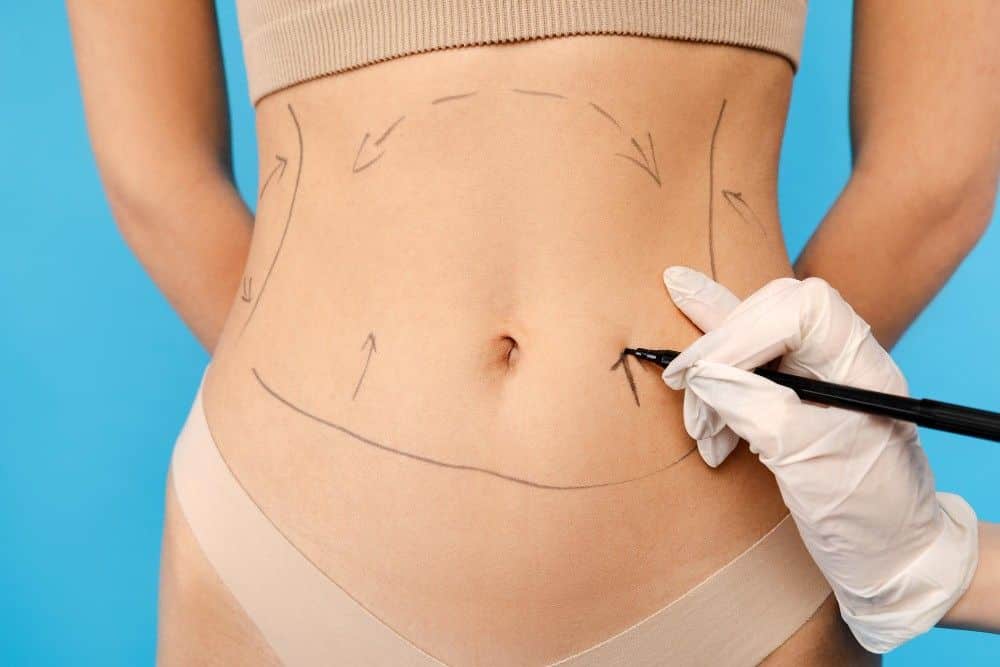
Abdominoplasty in Albania: When Is a Tummy Tuck the Right Choice?
A tummy tuck is one of the most transformative body procedures available — and one of … Read more
Read More
Abdominoplasty in Albania: When Is a Tummy Tuck the Right Choice?
A tummy tuck is one of the most transformative body procedures available — and one of … Read more
Read More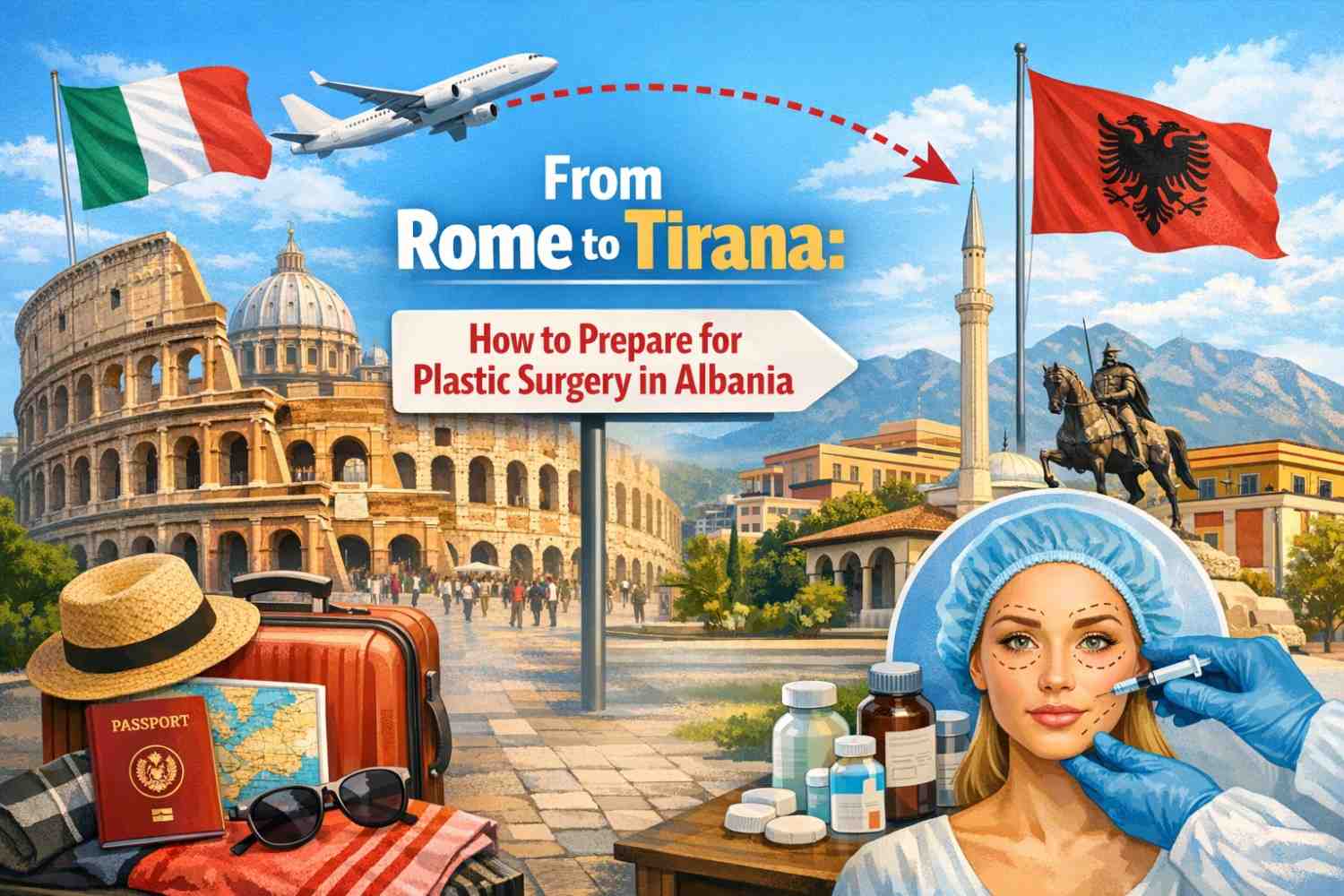
From Rome to Tirana: How to Prepare for Plastic Surgery in Albania
Every year, thousands of Italians make the short journey across the Adriatic to have plastic surgery … Read more
Read More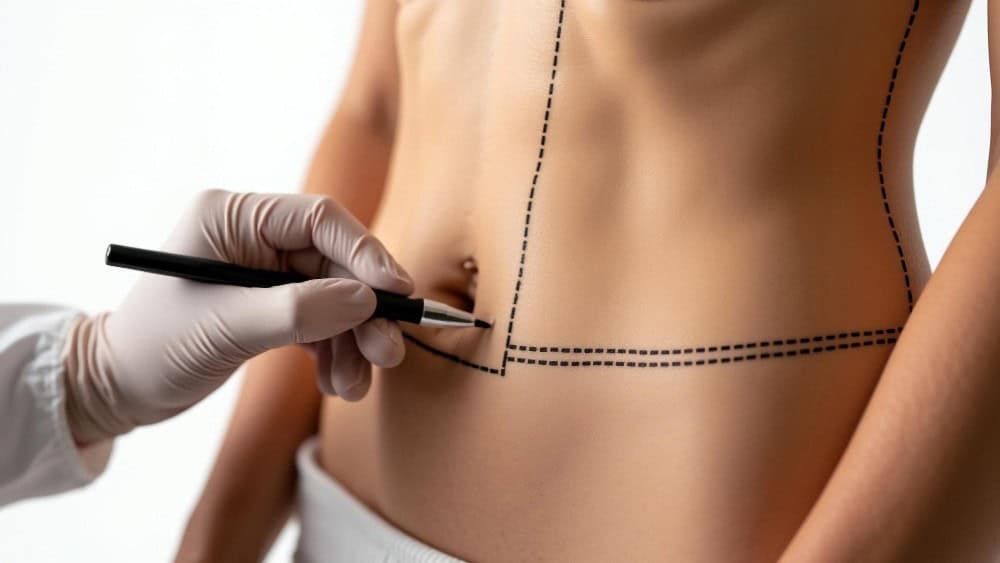
Why Plastic Surgery in Albania Costs Less Than in Italy
The first question most Italian patients ask when they hear about plastic surgery in Albania is … Read more
Read More
What Patients Should Know Before Getting Rhinoplasty in Albania
Albania has emerged as one of Europe’s most sought-after destinations for medical tourism, and rhinoplasty in … Read more
Read MoreRequest Your Free Quote
By submitting this form you are agreeing to our Privacy Policy. We guarantee not to disclose your information.