
Facelift In Albania | American Hospital
A facelift is for people who want to reduce visible signs of aging, such as sagging skin, deep folds, and loss of facial definition. The procedure lifts and tightens facial tissues to create a smoother, more refreshed appearance. At American Hospital, facelift surgery is performed by experienced doctors with careful planning and personalized surgical care.
Chat via WhatsAppDiscover personalized advice from us specialist through a complimentary consultation.
Understanding Facelift Surgery
A facelift addresses the visible signs of aging that affect the lower two-thirds of the face and neck. As we age, gravity, sun exposure, stress, and genetics cause facial tissues to descend, skin to lose elasticity, and volume to diminish in certain areas while accumulating in others.
The procedure specifically targets jowls, deep nasolabial folds (smile lines), sagging midface, loose neck skin, vertical neck bands, and overall loss of facial definition. These changes can make you look tired, sad, or older than you feel.
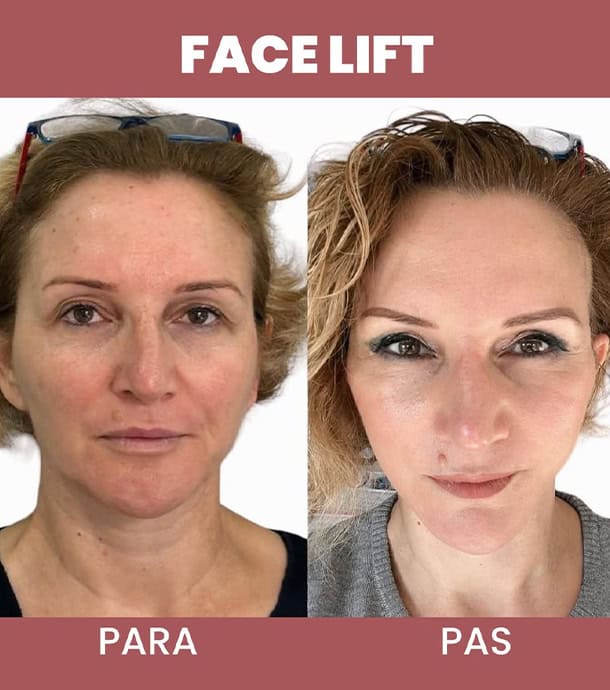
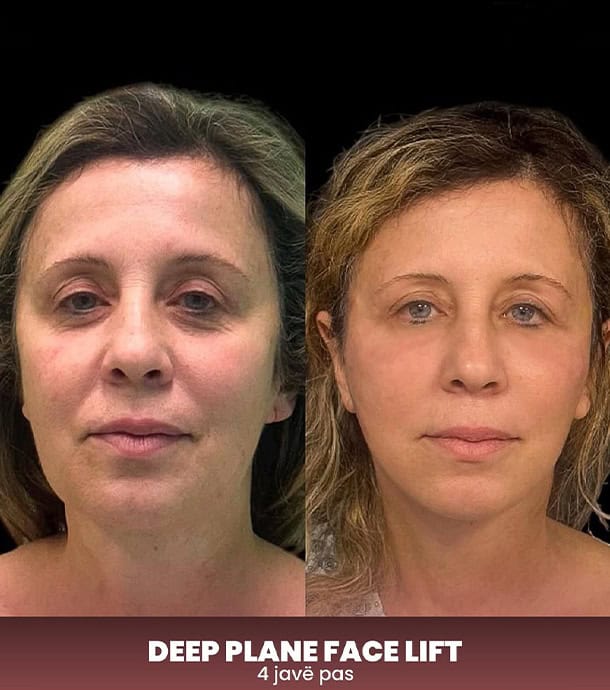
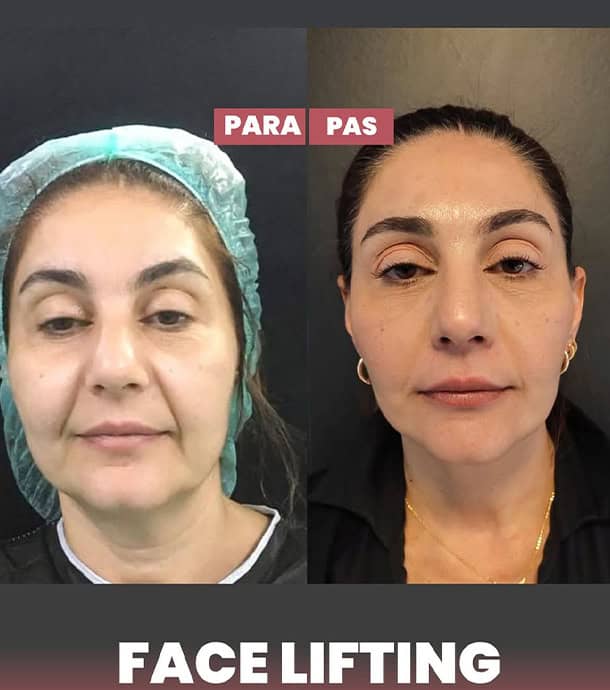
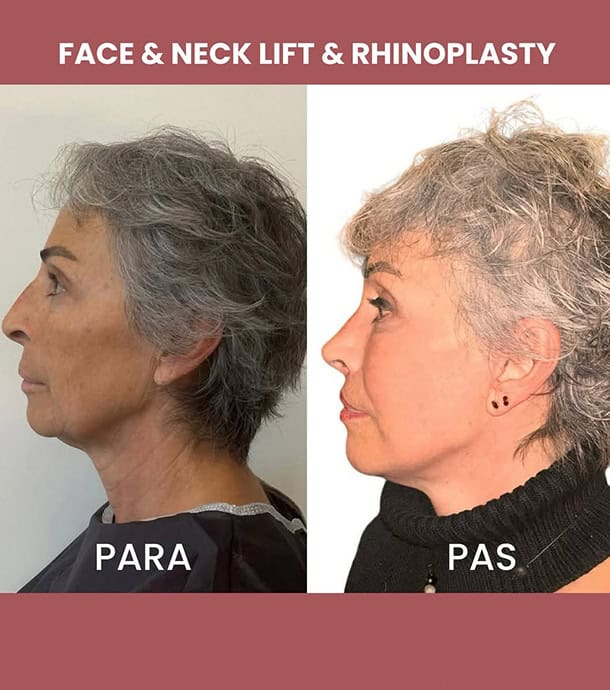
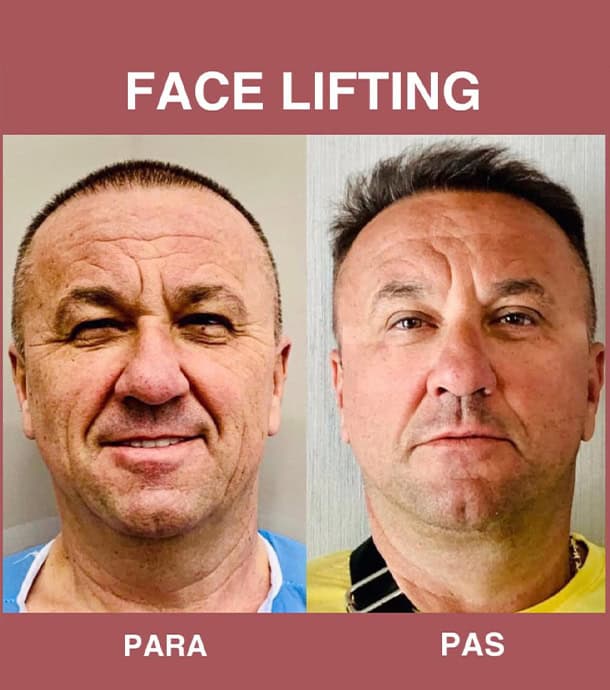
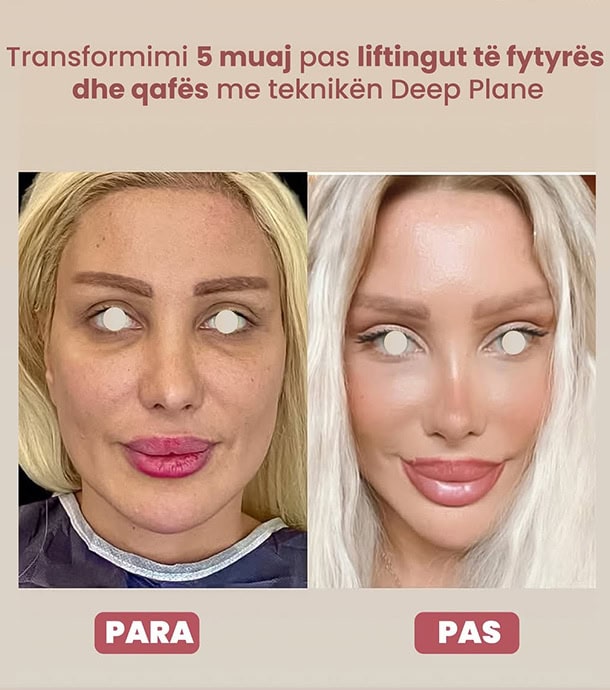
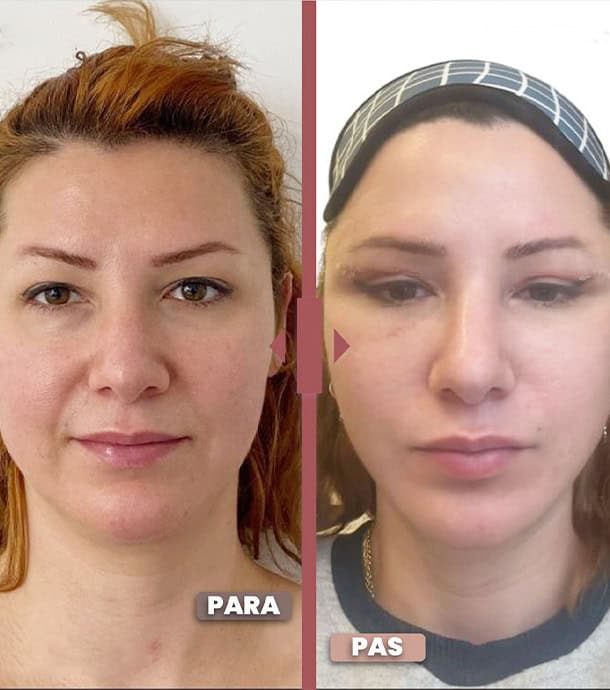
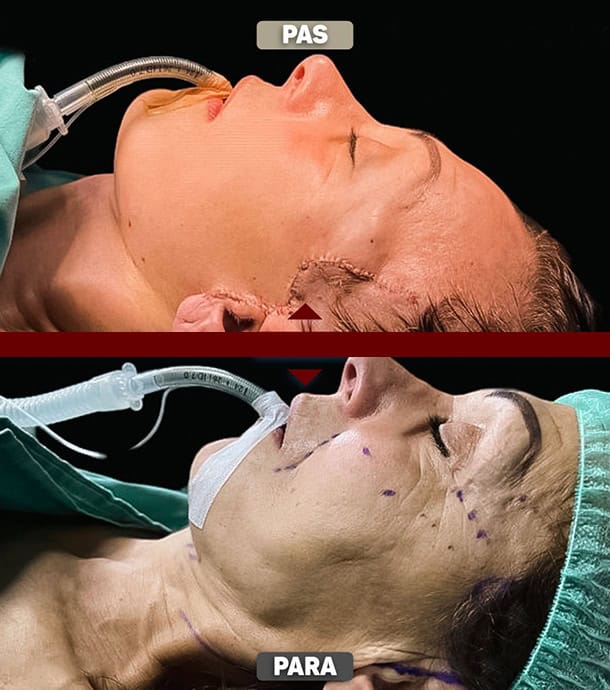
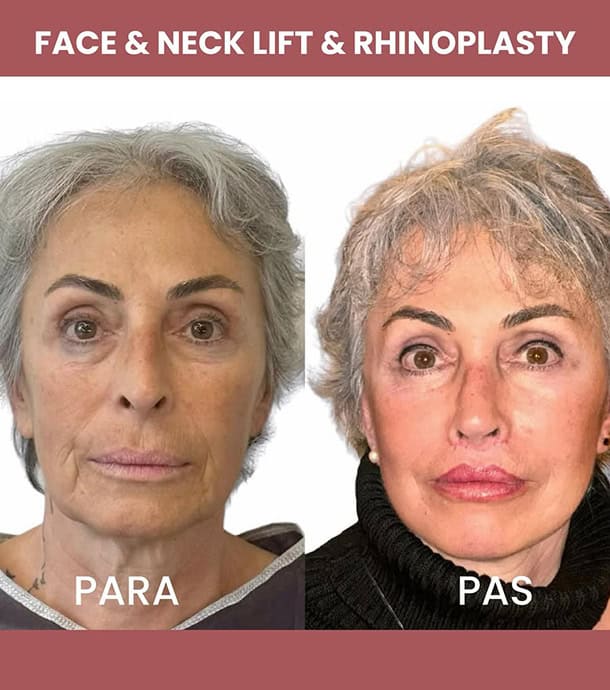
Real, Life-Changing Transformations
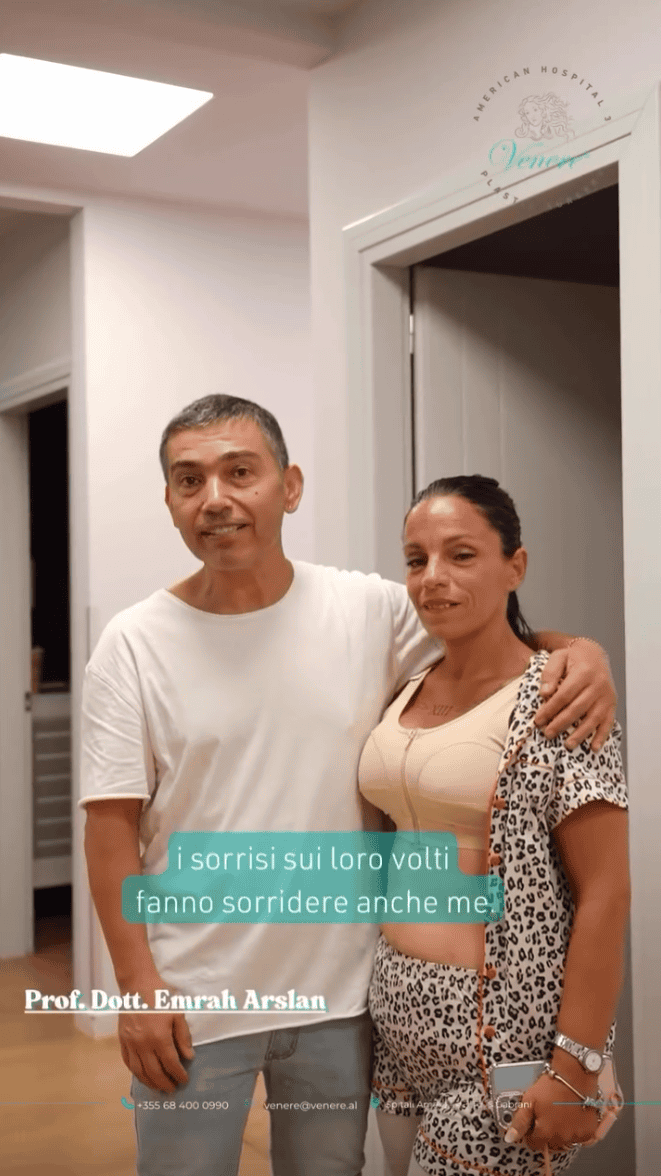
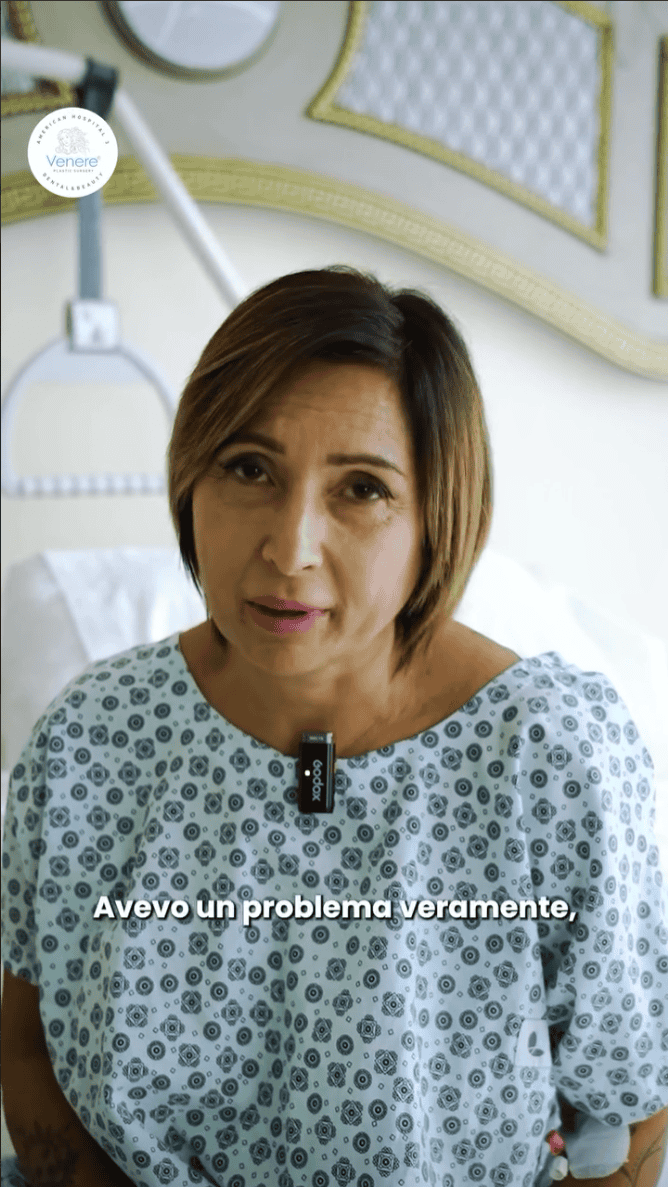
Experience the impact of expert care through the voices of our patients. Watch real testimonials from those who trusted American Hospital for their smile makeover.


The Facelift Surgical Procedure
The facelift process begins with a comprehensive assessment of facial anatomy, skin quality, and signs of aging, along with a discussion of your goals and medical history. Before surgery, you receive clear pre-operative instructions on medications, supplements, and smoking cessation, and you’re advised to prepare your home and arrange assistance for early recovery. The procedure is performed under general anesthesia and typically lasts between 3 and 6 hours, depending on the technique and whether a neck lift is included.
During surgery, incisions are placed discreetly around the ears and hairline. The surgeon lifts and tightens deeper facial tissues, adjusts fat as needed, and removes excess skin to restore a youthful contour without tension. Temporary drains may be placed to prevent fluid buildup, and a light compression dressing is applied to reduce swelling and support healing.
Is A Facelift Right for You?
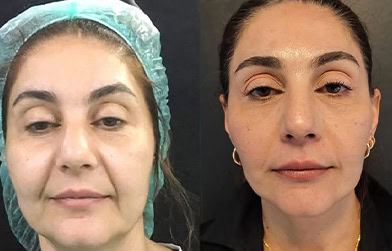
Facelift may be transformative if significant facial aging affects your confidence and appearance doesn’t match your vitality. The dramatic improvement can be truly life-changing.
Good candidates have realistic expectations, excellent health, and understand the recovery commitment.
At American Hospital, facelift specialists use advanced techniques creating natural-looking results that enhance your appearance while maintaining your identity.
Book a Personalized Consultation with a Specialized Surgeon
Our Patients Wanted to Share This with You
+400,000 Happy Clients and Counting

Came from Milan for breast augmentation. I was very scared at first. Doctor explained everything simple and clear. Result looks natural, exactly what I wanted. Recovery was ok, first days little pain but normal. Very happy I did this.
I travelled from Rome for rhinoplasty. My nose was broken years ago and also I didn’t like the shape. Now breathing better and profile looks much nicer. Hospital very modern, staff very kind. I would do it again here.
I did liposuction on stomach and flanks. I tried gym and diets but nothing worked. Now body looks more balanced. Surgery went smooth, nurses checked me many times. Tirana was also a very nice city to explore.
Came from Bologna for facelift. I didn’t want dramatic change, just look fresher. Result very natural, friends say I look rested not “operated”. Healing was faster than I expected. Very professional team.
I came from Florence for tummy tuck after weight loss. I had loose skin that bothered me a lot. Doctor was honest about scar and recovery time. Now 3 months later I feel much more confident. So worth it for me!
Travelled from Turin for eyelid surgery (blepharoplasty). I always looked tired before. Now eyes look open and fresh but still natural. Surgery day was well organised, I felt safe all the time with staff on me 24/7.

When Can I See Facelift Results?
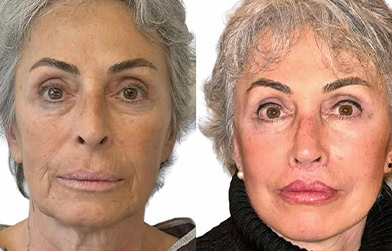
Facelift results develop gradually as swelling subsides and tissues settle into their new position. In the first 1–2 weeks, swelling, bruising, and tightness are still noticeable, but you will begin to see early improvements once bandages, drains, and sutures are removed. By weeks 3–4, most bruising has resolved and swelling has reduced significantly, allowing your refreshed facial contours and improved jawline definition to become more visible.
Between 2–3 months, about 80–90% of swelling has resolved, and your face looks more natural, smooth, and youthful. Final results continue to refine over the next several months as residual swelling disappears and scars soften and fade. By 6–12 months, healing is complete, scars are well concealed, and your full facelift results are visible—delivering a refreshed, natural-looking appearance that can last 10–15 years.
Types of Facelift Procedures
Traditional full facelift
Full facelift addresses the entire lower two-thirds of the face and neck comprehensively. This provides the most dramatic, long-lasting results.
Incisions extend from the temple, around the ear, and into the hairline. Through these, underlying tissues are lifted, muscles tightened, and excess skin removed.
Full facelift typically includes neck lift, addressing both areas for harmonious results. Recovery takes 2-3 weeks, but results last 10-15 years.
Mini facelift (short-scar facelift)
Mini facelift uses shorter incisions and addresses primarily the lower face and jowls. This suits patients with moderate aging who don’t yet need full facelift.
Recovery is quicker—typically 1-2 weeks rather than 2-3 weeks. Results are less dramatic but still meaningful.
Mini facelift works well for younger patients (40s-50s) with early jowling and mild neck laxity. Results last 5-7 years typically.
Deep plane facelift
Deep plane technique lifts tissues at a deeper level than traditional facelifts. This creates more dramatic, longer-lasting, and natural-looking results.
The technique is more complex and requires specialized expertise. Not all surgeons perform deep plane facelifts.
Deep plane facelifts suit patients with significant aging seeking maximum correction. Results look particularly natural because entire facial structure is lifted as a unit.
Why our patients choose Us?
Clear communication in English, Italian, Greek, German and Albanian. We ensure you understand every step of your journey, from consultation to recovery.
Internationally trained surgeons with extensive experience in aesthetic and reconstructive surgery.
Complete support from arrival to departure. We arrange airport transfers, accommodation, and all logistics so you can focus entirely on your treatment and recovery.
Clear, upfront pricing with no hidden costs. Save 60-70% compared to Italy, UK, and Germany while receiving the same quality care in a modern hospital setting.
Signs You May Benefit From a Facelift
Jowls and loss of jawline definition: Sagging tissue along the jawline makes the face look heavier, older, and less defined.
Deep nasolabial folds: Deepening smile lines from the nose to the mouth create an aged and sometimes harsh appearance.
Sagging midface and flat cheeks: Loss of volume and descent in the midface make the face appear tired and less youthful.
Neck sagging: Loose skin and banding in the neck are among the most visible signs of aging and often age the face more than facial features alone.
Ideal Candidates for Facelift Surgery
Experiencing significant facial aging
Good candidates have visible signs of aging; jowls, deep folds, sagging neck, or midface descent, that bother them and affect confidence.
Age typically 40s-70s
Most facelift patients are between 45-70 years old, though appropriate age varies individually. Some people have significant aging in their 40s; others not until 60s-70s.
Good skin elasticity
While some skin laxity is expected, having reasonable elasticity helps achieve smooth results. Very thin, sun-damaged skin may not contract as well. The surgeon evaluates skin quality during consultation. This helps set realistic expectations.
In excellent overall health
A facelift is significant surgery requiring good cardiovascular health. Medical conditions should be well-controlled. Healing capacity is crucial. Diabetes, autoimmune conditions, or blood disorders require careful evaluation.
Non-smoker or willing to quit
Smoking causes serious facelift complications including skin necrosis (tissue death). Complete cessation for 4-6 weeks before and after surgery is mandatory. Even secondhand smoke should be avoided. The complication risk in smokers is simply too high.
Realistic expectations
Understanding that facelift creates refreshed, younger appearance while maintaining your identity is crucial. You’ll look like a younger version of yourself.
Facelift Recovery Journey
Hospital stay and first 24 hours
Most patients stay one night in the hospital. Some same-day discharge is possible, but overnight monitoring is safer.
Significant tightness, swelling, and moderate discomfort are normal. Pain medication keeps you comfortable.
Days 2-5: Initial recovery
- Significant facial swelling and bruising
- Tightness and numbness throughout treated areas
- Compression garment worn continuously
- Light walking encouraged
- No bending, lifting, or strenuous activity
- Taking prescribed pain medication
Week 1-2
- Sutures removed around day 7-10
- Swelling and bruising still prominent but improving
- Tightness begins easing
- Can wash hair gently
- Compression bandages are removed or worn part-time
- Light household activities okay
- Most patients take 2 weeks off work minimum
- Avoid makeup on incisions until healed
Months 2-3
- Most swelling completely resolved
- Scars fading significantly
- Natural sensation returning
- Can resume all normal activities
- Results looking natural and refreshed
Months 6-12: Final outcome
- All healing complete
- Scars well-hidden and minimally visible
- Full sensation returned
- Final facial contours stable
- Results will last 10-15 years typically
Understanding Facelift Risks
Facelift is major surgery with potential complications:
- Hematoma: Blood collection under skin requiring drainage; most common complication
- Infection: Rare but possible
- Nerve damage: Facial nerve injury causing weakness or numbness
- Skin necrosis: Skin death, especially in smokers
- Scarring: Visible or widened scars possible
- Asymmetry: Perfect symmetry impossible
- Hair loss: Along incision lines, usually temporary
- Prolonged swelling: Takes months to fully resolve
- Unsatisfactory results: Subjective dissatisfaction
- Need for revision: Touch-up surgery sometimes needed
At American Hospital, experienced surgeons minimize risks through meticulous technique, proper patient selection, and comprehensive monitoring.
Facelift FAQs
Have questions about aesthetic or medical treatments in Albania? We provide clear, transparent answers to help you feel informed, confident, and comfortable throughout your entire journey.
Facelift results typically last 10–15 years, depending on skin quality, lifestyle, and aging patterns. Aging continues naturally, but it starts from a more youthful baseline, meaning you will continue to look younger than if you had never had a facelift.
Yes, when a facelift is performed by an experienced surgeon using modern techniques, the results look refreshed and natural. The goal of a facelift is to restore youthful contours, not to create a tight, artificial, or “overdone” appearance.
Most patients describe facelift recovery as tightness, pressure, and mild discomfort rather than severe pain. Any discomfort is usually well managed with prescribed medication, and pain levels decrease significantly during the first week.
Most patients return to desk-based work within 2–3 weeks after facelift surgery. Jobs that involve physical activity, lifting, or prolonged standing may require 3–4 weeks before returning safely.
There is no single “best” age for a facelift. The right time is when facial aging becomes a concern for you and you are in good overall health to undergo surgery, whether that is in your 40s, 50s, 60s, or beyond.
A facelift primarily addresses sagging skin and loss of facial structure, not fine wrinkles or surface lines.
Latest Articles
Get expert medical care tips and clinic updates—all designed to keep your smile healthy and bright.
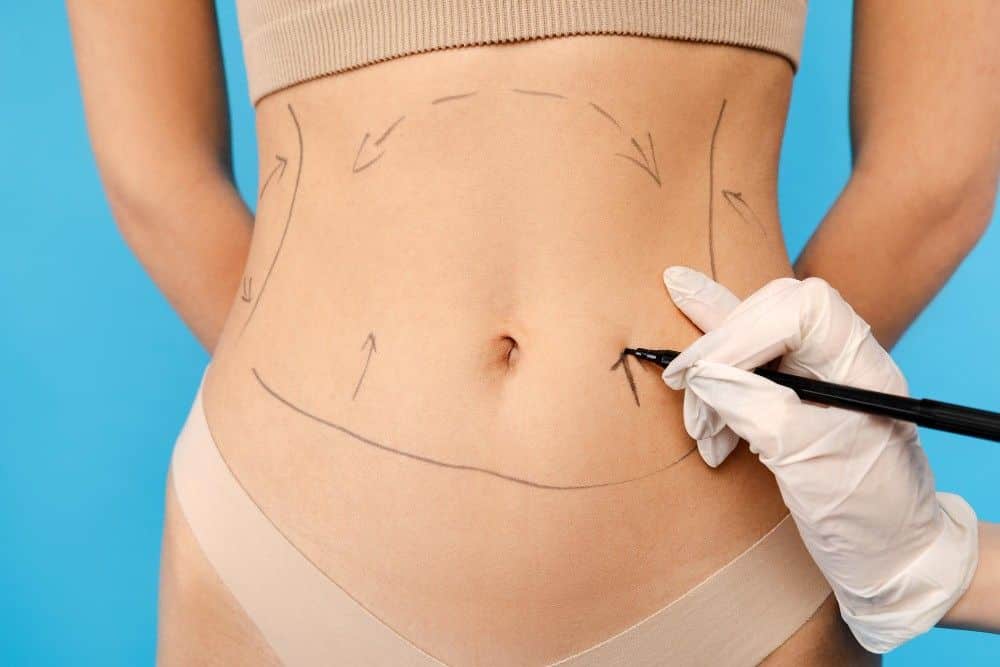
Abdominoplasty in Albania: When Is a Tummy Tuck the Right Choice?
A tummy tuck is one of the most transformative body procedures available — and one of … Read more
Read More
Abdominoplasty in Albania: When Is a Tummy Tuck the Right Choice?
A tummy tuck is one of the most transformative body procedures available — and one of … Read more
Read More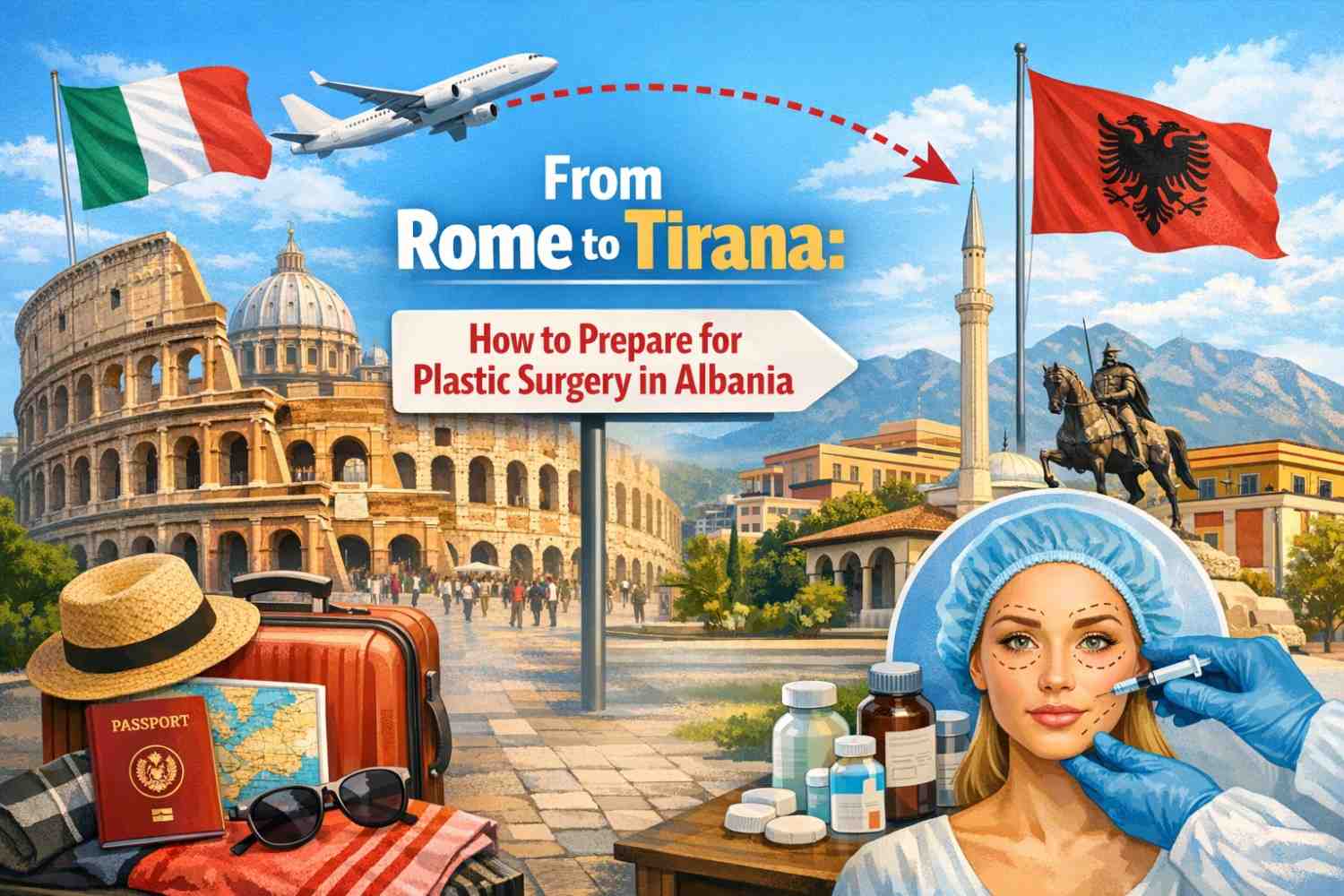
From Rome to Tirana: How to Prepare for Plastic Surgery in Albania
Every year, thousands of Italians make the short journey across the Adriatic to have plastic surgery … Read more
Read More
Why Plastic Surgery in Albania Costs Less Than in Italy
The first question most Italian patients ask when they hear about plastic surgery in Albania is … Read more
Read More
What Patients Should Know Before Getting Rhinoplasty in Albania
Albania has emerged as one of Europe’s most sought-after destinations for medical tourism, and rhinoplasty in … Read more
Read MoreRequest Your Free Quote
By submitting this form you are agreeing to our Privacy Policy. We guarantee not to disclose your information.