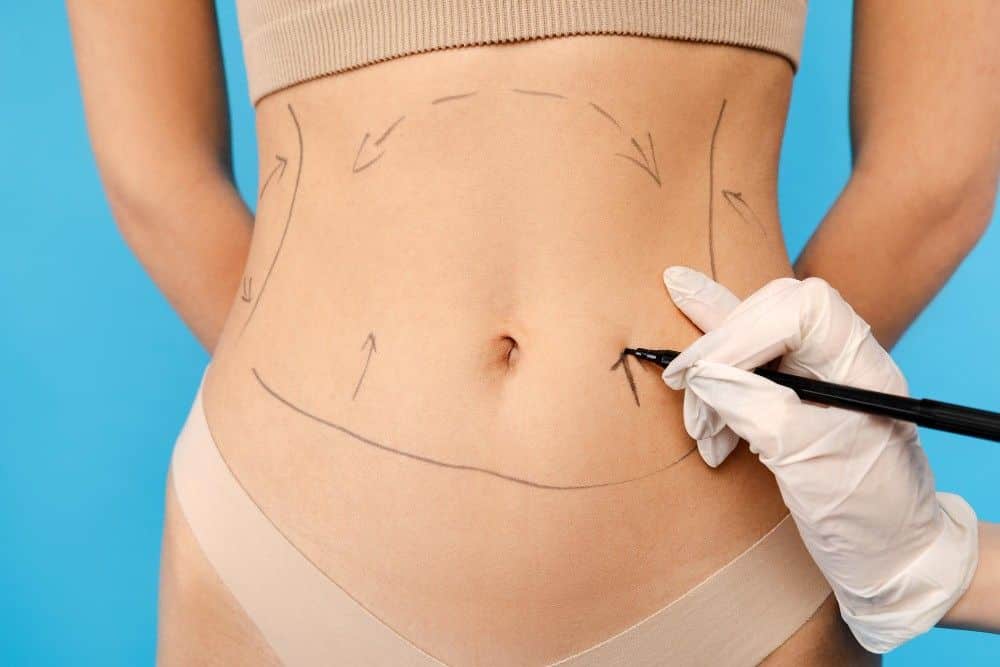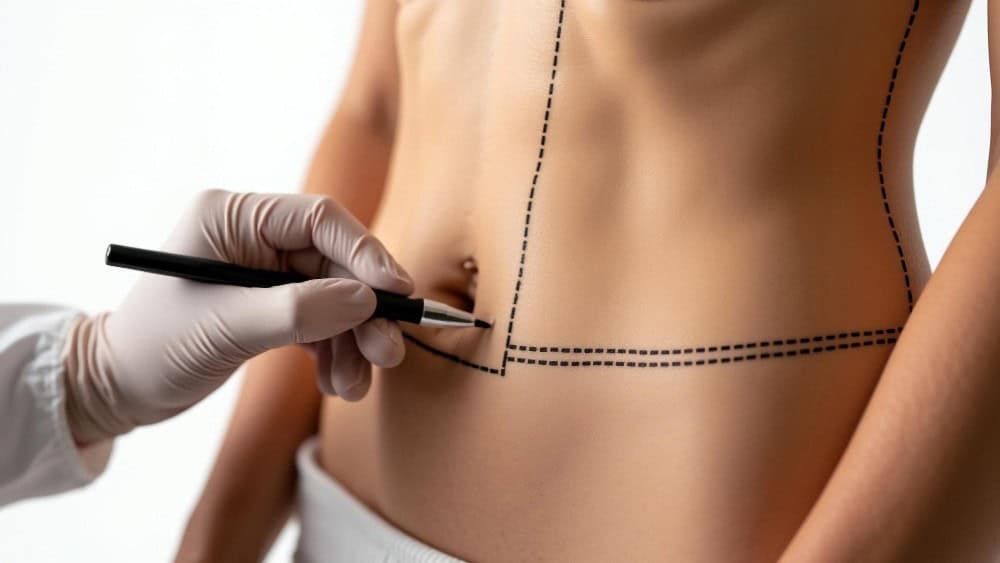
A tummy tuck is one of the most transformative body procedures available — and one of the most misunderstood. Many people assume it’s simply a way to lose weight or flatten a stomach that diet hasn’t shifted. In reality, abdominoplasty is a surgical procedure designed to address specific physical changes that no amount of exercise or healthy eating can reverse. Understanding what it actually does, who it’s right for, and what the experience involves is the foundation of making a good decision.

What Abdominoplasty Actually Does
Abdominoplasty — the medical term for a tummy tuck — removes excess skin and fat from the abdominal area while tightening the underlying muscle wall. It is not a weight loss procedure. It is a body contouring procedure, and the distinction matters enormously when it comes to setting expectations.
The procedure addresses two things that cannot be corrected through lifestyle changes alone. The first is loose, excess skin — the kind that develops after significant weight loss, multiple pregnancies, or simply the natural aging process. Skin that has been stretched beyond a certain point loses its elasticity and will not tighten on its own, regardless of how fit or lean a person becomes. The second is diastasis recti — a separation of the abdominal muscles that commonly occurs during pregnancy. This separation can cause a persistent abdominal “pouch” even in women who are otherwise slim and active, and it can only be corrected surgically.
For patients dealing with either or both of these concerns, abdominoplasty in Albania offers a genuine and lasting solution.
Who Is a Good Candidate?
The best candidates for abdominoplasty are patients who are at or close to their target weight, in good general health, and dealing with specific physical concerns that surgery can address. It is worth being honest with yourself — and with your surgeon — about where you fall on this spectrum.
Patients who have lost a significant amount of weight, either through lifestyle changes or bariatric surgery, often find that excess abdominal skin becomes one of their most pressing concerns. It can cause skin irritation, hygiene difficulties, and a persistent sense that their body doesn’t reflect the effort they’ve put in. For these patients, abdominoplasty — sometimes combined with other post-weight-loss body contouring procedures — can be genuinely life-changing.
Women who have completed their families and are left with loose skin, separated muscles, or a changed abdominal profile after pregnancy are also strong candidates. Many choose to address these concerns as part of a mommy makeover in Albania — a combination of procedures that may include breast surgery and liposuction alongside the tummy tuck.
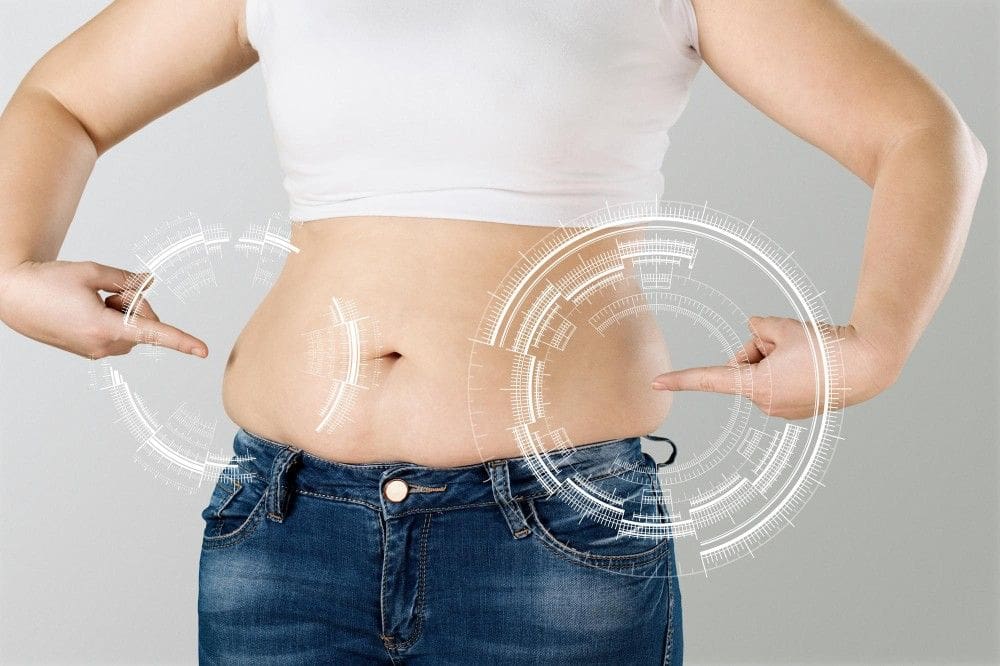
Abdominoplasty is also an option for patients who are close to their ideal weight but carry stubborn lower abdominal skin that doesn’t respond to exercise. It is not, however, a substitute for weight loss — and patients who plan to lose more weight or who may become pregnant again are generally advised to wait.
The Different Types of Tummy Tuck
Not every tummy tuck is the same procedure. The right approach depends on the extent of your concerns, where excess skin and tissue is located, and how much muscle repair is needed.
A full abdominoplasty addresses the entire abdominal area from the lower ribs to the pubic region. It involves repositioning the navel, tightening the full length of the muscle wall, and removing a significant amount of excess skin. This is the most comprehensive option and produces the most dramatic transformation, but it also comes with a longer scar and recovery period.
An extended tummy tuck goes further, extending the incision around the hips and sometimes onto the lower back to address excess skin on the flanks. This is particularly relevant for patients who have lost a large amount of weight and find that their concerns extend beyond the front of the abdomen.
For patients with less severe loose skin concentrated in the lower abdomen, a mini abdominoplasty may be sufficient. This is a shorter procedure with a smaller incision and no repositioning of the navel, and recovery tends to be quicker. Your surgeon will assess your anatomy and advise on which approach will actually achieve what you’re hoping for — not just what’s fastest or simplest.
Combining Abdominoplasty with Other Procedures
Abdominoplasty is frequently performed alongside other procedures, both because patients often have multiple areas of concern and because recovery time is shared. Combining procedures thoughtfully — with a surgeon experienced in complex cases — can produce results that are far greater than any single procedure alone.
Liposuction in Albania is the most common pairing with a tummy tuck. Removing localised fat deposits from the flanks, hips, or thighs alongside the abdominal procedure creates a more sculpted and proportionate overall silhouette. Some surgeons perform liposuction simultaneously with the tummy tuck; others prefer to stage them — your surgeon will advise based on your anatomy and safety considerations.
Breast procedures are another common addition. Breast lift, breast reduction, or breast enlargement can all be performed in the same surgical session as an abdominoplasty, making the mommy makeover approach an efficient and popular choice for patients who have completed their families.
For patients who have undergone significant weight loss, abdominoplasty may be part of a broader body contouring plan that includes a body lift, arm lift, or thigh lift. These are typically staged across multiple surgical sessions for safety reasons, and our team will work with you to plan the sequence that makes the most sense.
What to Expect from the Procedure Itself
Abdominoplasty is performed under general anaesthesia and typically takes two to four hours, depending on the complexity of the procedure and whether it is combined with other surgeries. At American Hospital, every procedure is supported by a specialist anaesthesiology team and conducted in advanced operating theatres with full cardiac monitoring and immediate access to intensive care if ever needed.
The incision for a full tummy tuck runs horizontally across the lower abdomen, positioned low enough to be hidden beneath swimwear and underwear. After removing excess skin and fat, the surgeon repairs the abdominal muscles and repositions the navel before closing the incision with layered sutures. Surgical drains are typically placed to prevent fluid accumulation and are removed within a week or two.
You will wake up in a compression garment, which you will wear for several weeks following surgery. This supports the healing tissues, reduces swelling, and helps the skin conform to its new contour. Most patients stay one to two nights in hospital before being discharged to continue their recovery.
Recovery: What the Timeline Really Looks Like
Recovery from abdominoplasty is more demanding than many patients anticipate, and it’s important to go in with a clear and realistic picture of what the weeks ahead will involve.
In the first week, most patients experience significant soreness, tightness across the abdomen, and some difficulty standing fully upright. This is entirely normal — the muscles have been repaired and the skin has been repositioned, and the body needs time to adapt. Moving gently and regularly is encouraged from day one to support circulation, but strenuous activity is off the table entirely.
By weeks two to three, most patients are moving more comfortably and can manage light daily activities. The drains will have been removed, and swelling — while still present — begins to reduce noticeably. Most patients who work desk jobs return to work around weeks three to four, though this varies.
Between weeks six and eight, patients are typically cleared for more active exercise. Full recovery, including the resolution of deeper swelling and the softening of scars, takes six to twelve months. Scars fade significantly over time, though they do not disappear entirely — their final appearance is one of the factors your surgeon will discuss with you honestly before you decide to proceed.
The Albania Advantage: Hospital-Grade Care at Accessible Costs
For many international patients, the combination of cost, quality, and care environment is what makes Albania a compelling choice. The cost of a tummy tuck in Albania is typically 50–70% lower than equivalent procedures in the United States or Western Europe — without any reduction in surgical quality, safety infrastructure, or aftercare standards.
What makes American Hospital different from many providers is the setting itself. We are not a standalone aesthetic clinic. Our plastic surgery department operates within a multidisciplinary private hospital that has been serving patients since 2006 and is trusted by over 400,000 of them. That means every abdominoplasty patient benefits from genuine hospital-grade safety — not the limited resources of a clinic setting.
Medical tourism in Albania has grown substantially in recent years, and American Hospital has been at the centre of that growth. Our teams communicate in English, Italian, Greek, German, and Albanian, ensuring that international patients are supported clearly and comprehensively at every stage of their journey — from first consultation to final follow-up.
Preparing for Your Procedure
Good preparation makes a meaningful difference to both the surgical outcome and the recovery experience. In the weeks before your procedure, you should aim to be as close to your target weight as possible — not because a few kilograms will prevent surgery, but because stable weight produces better and longer-lasting results.
Smoking must be stopped at least four to six weeks before surgery. Nicotine constricts blood vessels, impairs wound healing, and significantly increases the risk of complications — particularly in procedures that involve large skin flaps, as abdominoplasty does. Blood-thinning medications and supplements should also be paused as directed by your surgical team.
Practically, plan for a recovery period of at least two to three weeks before returning to any meaningful activity, and arrange support at home — particularly for the first week, when movement is limited. International patients should plan to stay in Tirana for a minimum of ten to fourteen days post-surgery before travelling home.

Common Questions We Hear
Will the results be permanent? The structural changes from abdominoplasty — muscle repair, skin removal — are permanent. However, significant weight gain or future pregnancies can alter the results. Patients who maintain a stable weight after surgery typically enjoy long-lasting outcomes.
Will I have a visible scar? Yes — abdominoplasty always leaves a scar. An experienced surgeon will position it carefully so it sits below the bikini line, and it will fade substantially over twelve to eighteen months. Scar management treatments can support this process, and our team will advise you on these during follow-up.
Can I combine this with a procedure I’ve been considering for something else? Often, yes. We encourage patients to discuss all of their goals during consultation. Combining procedures can reduce overall recovery time and surgical cost. Our team will assess what is safe and appropriate for your specific situation.
How do I know if I need a full or mini tummy tuck? This is something only a surgeon can determine after physically assessing your abdomen, skin quality, and muscle condition. The distinction isn’t always obvious from the outside — patients who think they need a full procedure sometimes need less, and vice versa.
Is a Tummy Tuck Right for You?
Abdominoplasty is a significant surgical procedure, and it deserves serious consideration. It is not the right choice for patients who are still in the process of losing weight, who plan future pregnancies, or who are hoping surgery will substitute for lifestyle changes they haven’t yet made. It is, however, one of the most rewarding procedures available for the right patient — someone who has done the hard work and is dealing with physical changes that simply cannot be undone any other way.
If you’re considering a tummy tuck and want to understand whether you’re a good candidate, the first step is a proper consultation with an experienced surgeon. Browse our before and after gallery to understand the kind of results that are achievable, explore our full range of body surgery procedures, and then reach out to our team to begin the conversation.
At American Hospital Tirana, we are here to give you an honest, thorough assessment — and to support you every step of the way if surgery turns out to be the right path forward.