
Apronectomy (Panniculectomy) In Albania | American Hospital
For patients dealing with excess abdominal skin after significant weight loss or pregnancy, apronectomy (panniculectomy) in Albania offers a surgical solution to improve comfort and body shape. At American Hospital, this procedure removes the hanging abdominal tissue, enhances mobility, and restores a smoother, more functional abdominal profile with safe, advanced techniques.
Chat via WhatsAppDiscover personalized advice from us specialist through a complimentary consultation.
What Is An Apronectomy?
An apronectomy is a surgical procedure that removes excess, hanging abdominal skin, which can develop after significant weight loss, pregnancy, or aging. The goal is to create a smoother, firmer abdominal profile by eliminating loose skin that does not respond to diet or exercise.
The procedure also improves comfort, hygiene, and mobility by removing skin folds that can cause irritation or restrict movement. An apronectomy can be combined with muscle tightening or liposuction for enhanced contouring and long-lasting, natural-looking results.
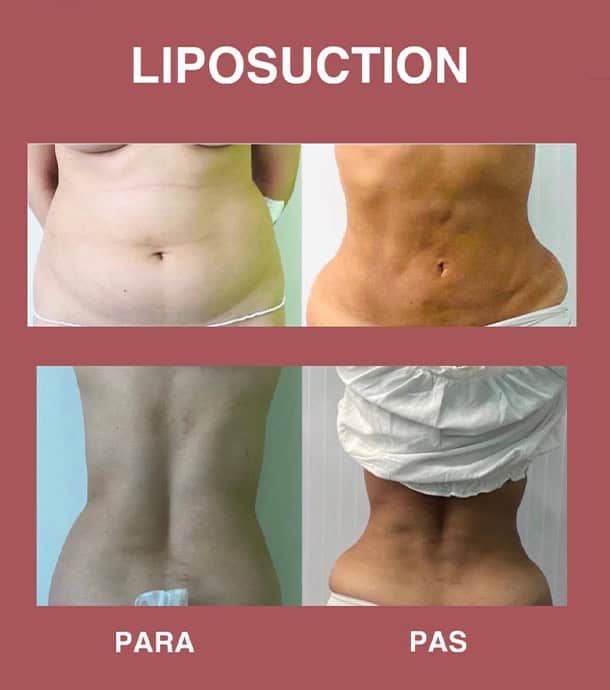
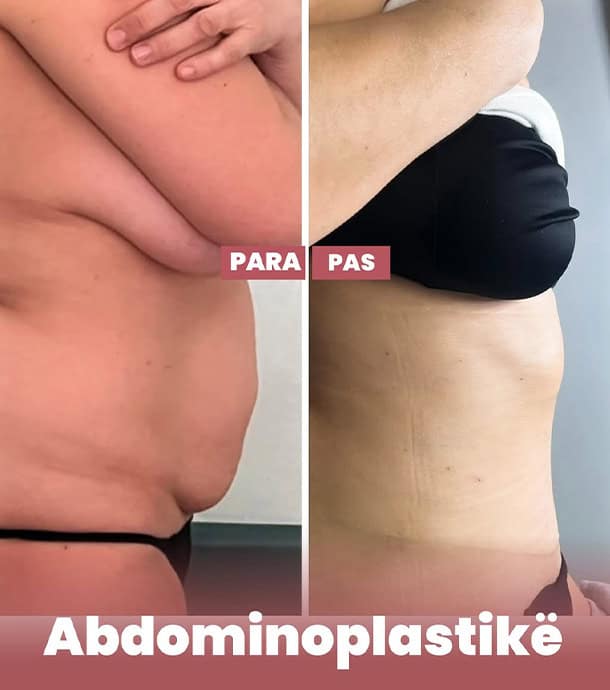
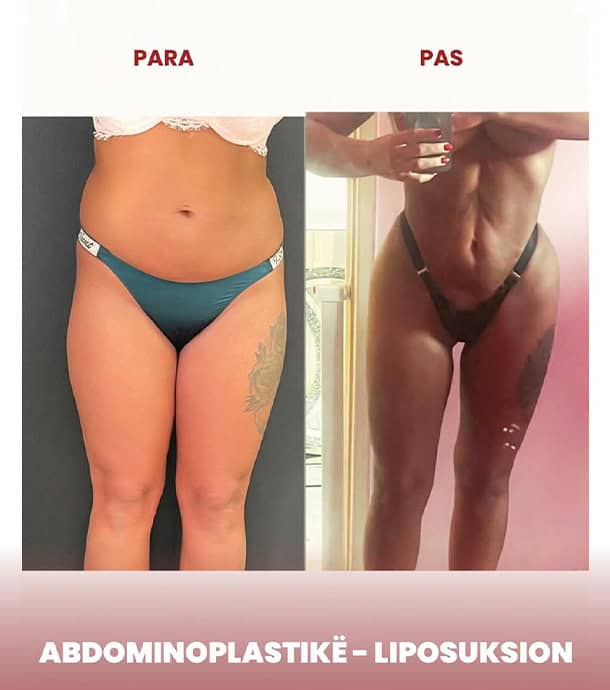
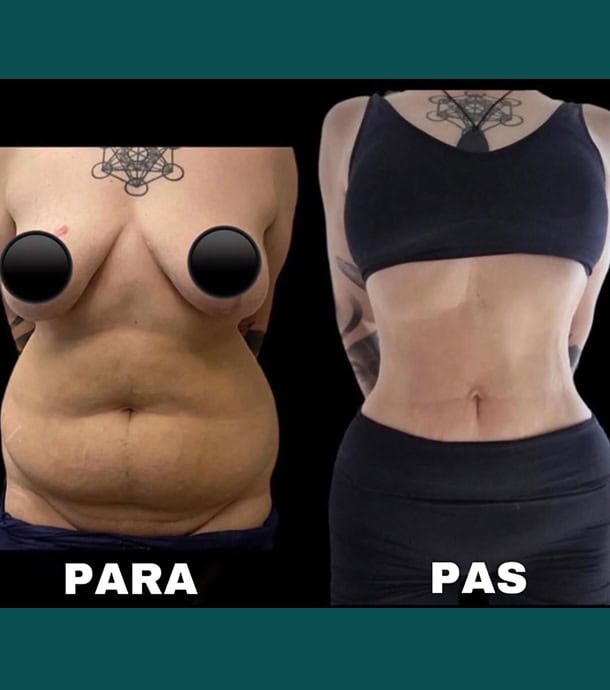
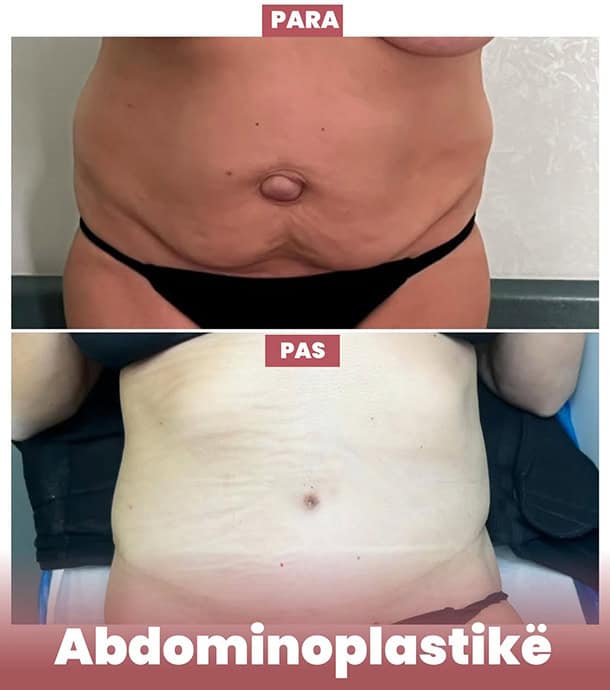
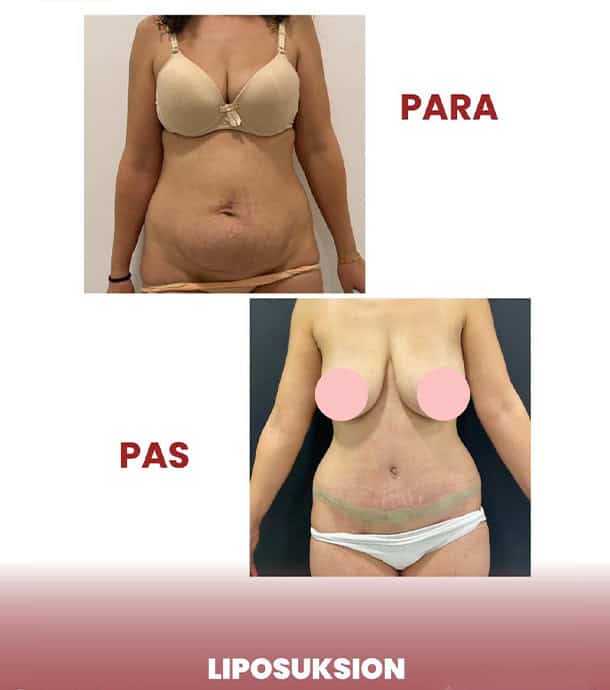
Real, Life-Changing Transformations
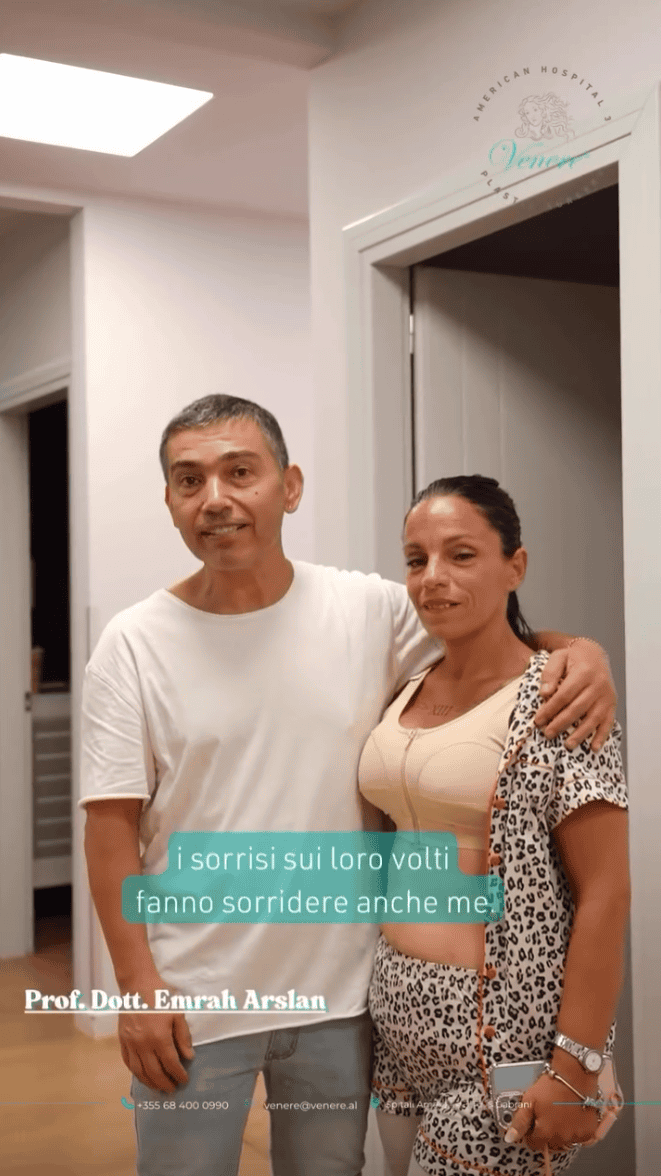
Experience the impact of expert care through the voices of our patients. Watch real testimonials from those who trusted American Hospital for their smile makeover.



The Apronectomy Surgical Procedure
Comprehensive Pre-Operative Evaluation: Detailed consultation assesses pannus size, medical issues, and mobility concerns, with testing completed for surgical safety and insurance documentation.
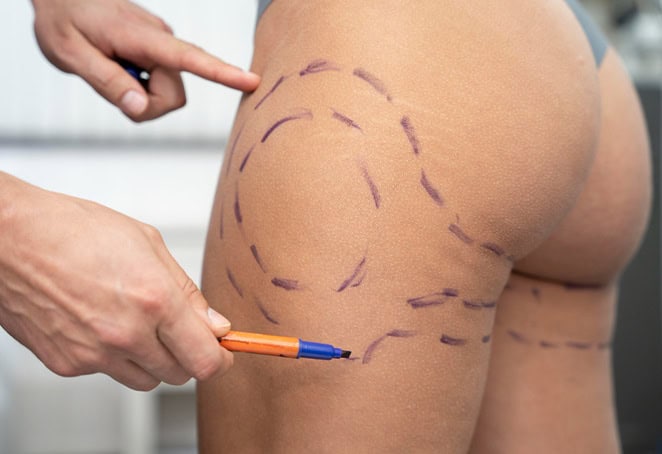
Surgical Planning and Marking: Incision lines are carefully marked, scars planned in natural folds, and the amount of tissue to be removed is estimated for a safe and effective procedure.
Anesthesia and Surgery Day Arrival: Surgery is performed under general anesthesia in a hospital, with IV medications, antibiotics, and preparation by the surgical and anesthesia teams.
Tissue Removal Process: A horizontal incision is made, the pannus is separated from the abdominal wall, blood vessels are controlled, and excess skin and fat—sometimes 20–40 pounds—are removed.
Closing the Incision: Remaining skin is repositioned and closed in layers, surgical drains are placed, and dressings with compression garments are applied.
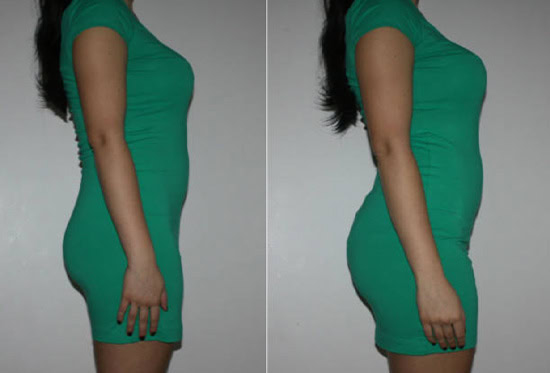
Why Is Apronectomy The Right Procedure For You?
- You have a large, hanging pannus that causes discomfort, rashes, or infections.
- Excess abdominal skin makes hygiene, movement, or daily activities difficult.
- You experience back pain, posture issues, or mobility limitations due to the weight of excess skin.
- Previous weight loss has left significant loose skin that does not improve with exercise or diet.
- You want functional improvement and relief from health issues, not just cosmetic enhancement.
Book a Personalized Consultation with a Specialized Surgeon
Our Patients Wanted to Share This with You
+400,000 Happy Clients and Counting

Came from Milan for breast augmentation. I was very scared at first. Doctor explained everything simple and clear. Result looks natural, exactly what I wanted. Recovery was ok, first days little pain but normal. Very happy I did this.
I travelled from Rome for rhinoplasty. My nose was broken years ago and also I didn’t like the shape. Now breathing better and profile looks much nicer. Hospital very modern, staff very kind. I would do it again here.
I did liposuction on stomach and flanks. I tried gym and diets but nothing worked. Now body looks more balanced. Surgery went smooth, nurses checked me many times. Tirana was also a very nice city to explore.
Came from Bologna for facelift. I didn’t want dramatic change, just look fresher. Result very natural, friends say I look rested not “operated”. Healing was faster than I expected. Very professional team.
I came from Florence for tummy tuck after weight loss. I had loose skin that bothered me a lot. Doctor was honest about scar and recovery time. Now 3 months later I feel much more confident. So worth it for me!
Travelled from Turin for eyelid surgery (blepharoplasty). I always looked tired before. Now eyes look open and fresh but still natural. Surgery day was well organised, I felt safe all the time with staff on me 24/7.

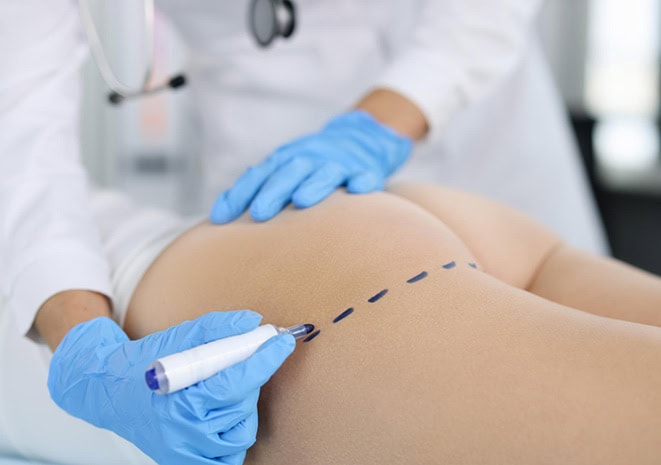
How Apronectomy Differs from Tummy Tuck
An apronectomy specifically targets the removal of a large, hanging pannus of excess abdominal skin, often seen after significant weight loss or in cases of obesity. The focus is primarily on eliminating the overhanging skin that causes functional problems, such as hygiene issues, chronic rashes, and mobility limitations, rather than purely cosmetic improvement.
A tummy tuck, or abdominoplasty, focuses more on cosmetic enhancement by tightening the abdominal muscles, removing moderate excess skin, and contouring the waistline for a smoother, firmer appearance.
While both procedures remove skin, apronectomy is usually more extensive and addresses functional concerns, whereas a tummy tuck emphasizes aesthetic results.
The Recovery Journey After Apronectomy
Hospital Stay (Days 1–3): Significant pain is managed with IV and oral medication, drains are in place, mobility is very limited, compression garments are worn continuously, and diet progresses from liquids to regular food.
First Week at Home: Pain gradually improves, drains continue collecting fluid, sponge baths are used, walking is hunched and limited, and significant help with daily activities is needed.
Weeks 2–3: Pain reduces, drains may be removed, first shower feels refreshing, walking becomes easier, light sedentary work may resume, and relief from reduced weight is noticeable.
Weeks 4–6: Most discomfort resolves, drains are fully removed, light household tasks are possible, heavy lifting is avoided, compression garments are worn most of the time, and clothing fits more comfortably.
Weeks 6–12 (Returning to Normal): Minimal pain, activity level increases, exercise gradually resumes, heavy lifting is limited, compression garments are reduced, scar care begins, and energy levels improve.
Months 3–6: All activity restrictions are lifted, scars continue fading, swelling resolves, full benefits are visible, and seromas may require drainage with ongoing scar treatment.
6–12 Months: Healing is complete, scars have faded, though slightly visible, body adjusts to new contours, full mobility is restored, quality of life improves dramatically, and additional body contouring may be considered.
Why our patients choose Us?
Clear communication in English, Italian, Greek, German and Albanian. We ensure you understand every step of your journey, from consultation to recovery.
Internationally trained surgeons with extensive experience in aesthetic and reconstructive surgery.
Complete support from arrival to departure. We arrange airport transfers, accommodation, and all logistics so you can focus entirely on your treatment and recovery.
Clear, upfront pricing with no hidden costs. Save 60-70% compared to Italy, UK, and Germany while receiving the same quality care in a modern hospital setting.
Medical Problems Caused by a Hanging Pannus
Chronic Skin Infections and Rashes: A hanging pannus traps moisture and bacteria, leading to recurring rashes, fungal or bacterial infections, irritation, odor, and frequent medical treatment.
Difficulty with Personal Hygiene: Excess abdominal skin makes cleaning hard, affecting dignity, independence, and self-esteem, and making routine activities like using the toilet frustrating.
Back Pain and Posture Problems: Carrying a heavy pannus strains the spine and back muscles, causing chronic pain, postural imbalance, and reduced quality of life.
Mobility Limitations and Difficulty with Activities: Extra abdominal tissue interferes with walking, bending, and movement, leading to discomfort, reduced activity, and declining fitness.
Skin Breakdown and Ulceration: Constant friction and moisture can cause sores and ulcers that heal poorly, are prone to infection, and may require hospitalization in severe cases.
Maintaining Your Results
Maintaining a stable body weight is essential after an apronectomy, as significant weight fluctuations can affect abdominal contour and skin tension. Staying close to your post-surgery weight helps preserve the improved shape.
Supporting your body with healthy daily habits promotes long-term results. A balanced diet, adequate protein intake, and regular physical activity help maintain muscle tone and overall abdominal firmness.
Proper aftercare plays a key role in lasting outcomes. Wearing compression garments as advised, staying well hydrated, and following post-operative guidelines help support healing and reduce long-term changes.
Frequently Asked Questions
Have questions about aesthetic or medical treatments in Albania? We provide clear, transparent answers to help you feel informed, confident, and comfortable throughout your entire journey.
Apronectomy typically removes 10–40+ pounds of excess tissue, depending on the size of the pannus. While this does reduce the number on the scale, it is not true weight loss but removal of problematic skin and fat, which can still be physically and psychologically meaningful.
Apronectomy removes the hanging pannus but does not tighten muscles or sculpt the abdomen like a tummy tuck. Your abdomen will be noticeably flatter and lighter, but not perfectly flat unless cosmetic elements are added.
Yes, and most patients find exercise far easier after apronectomy because the physical burden is gone. Once cleared, activity is resumed gradually, and many patients enjoy movement and fitness for the first time in years.
Some surgeons perform apronectomy before goal weight if medical issues are severe, as removing the pannus can make continued weight loss easier. Others prefer weight stabilization first, so discussing your situation and goals during consultation is essential.
Latest Articles
Get expert medical care tips and clinic updates—all designed to keep your smile healthy and bright.
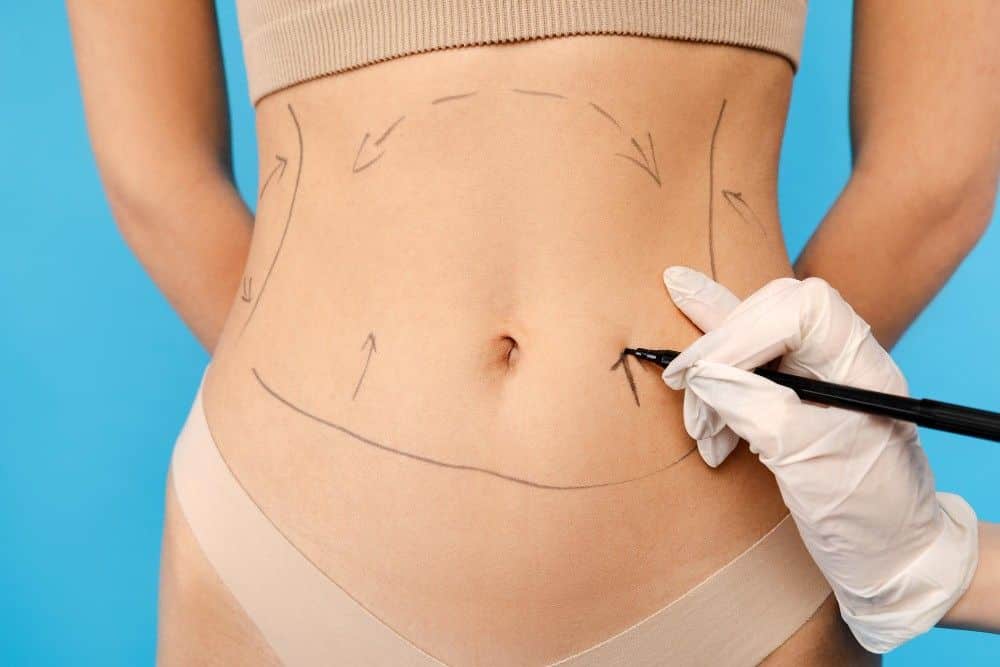
Abdominoplasty in Albania: When Is a Tummy Tuck the Right Choice?
A tummy tuck is one of the most transformative body procedures available — and one of … Read more
Read More
Abdominoplasty in Albania: When Is a Tummy Tuck the Right Choice?
A tummy tuck is one of the most transformative body procedures available — and one of … Read more
Read More
From Rome to Tirana: How to Prepare for Plastic Surgery in Albania
Every year, thousands of Italians make the short journey across the Adriatic to have plastic surgery … Read more
Read More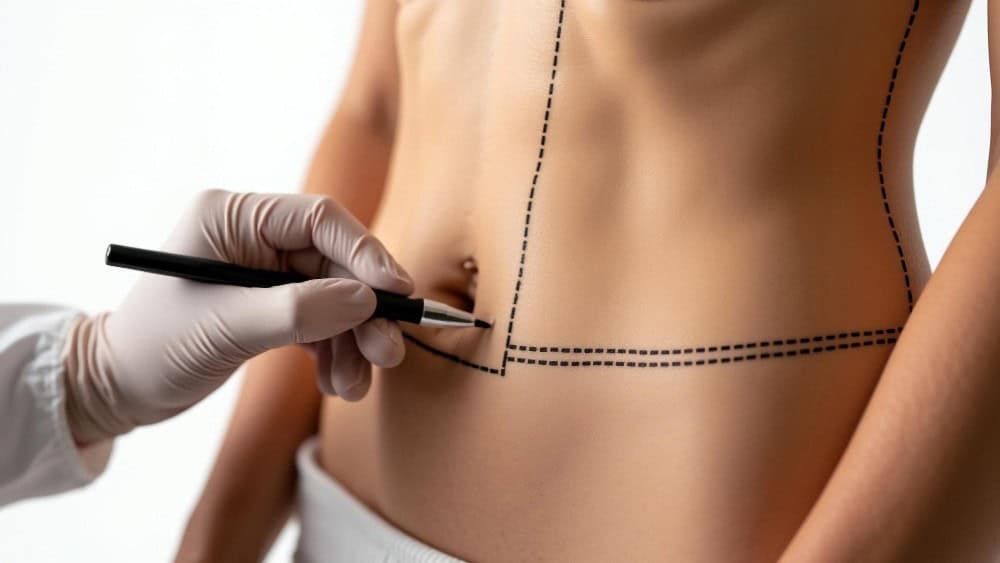
Why Plastic Surgery in Albania Costs Less Than in Italy
The first question most Italian patients ask when they hear about plastic surgery in Albania is … Read more
Read More
What Patients Should Know Before Getting Rhinoplasty in Albania
Albania has emerged as one of Europe’s most sought-after destinations for medical tourism, and rhinoplasty in … Read more
Read MoreRequest Your Free Quote
By submitting this form you are agreeing to our Privacy Policy. We guarantee not to disclose your information.