Facelift surgery is not an impulsive decision. It is deeply personal, emotionally charged, and often delayed for years.
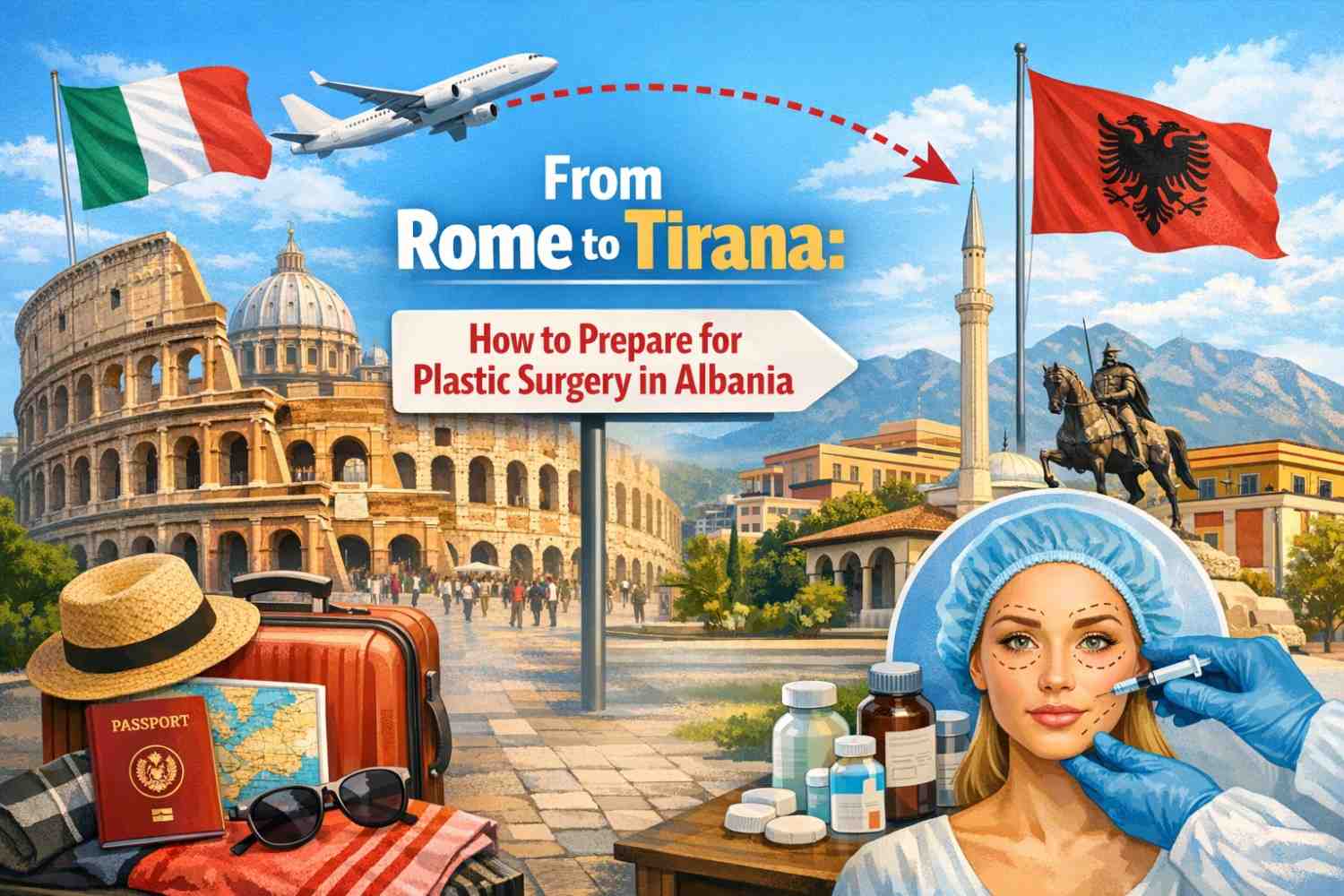
Yet an increasing number of patients from Italy are crossing the Adriatic Sea to undergo facelift procedures in Albania.
This is not about trends or shortcuts. It’s about control, timing, trust, and outcome—areas where many patients feel the Italian system no longer serves them well.
1. Facelift Surgery in Italy Is Treated Like a Luxury, Not a Need
In Italy, facial rejuvenation is culturally framed as:
- A vanity procedure
- A luxury service
- Something to be postponed, justified, or over-explained
As a result:
- Consultations are conservative
- Surgeons may discourage surgery until aging is “advanced enough”
- Patients feel subtly judged for wanting change
In Albania, the mindset is different:
- Facial aging is treated as a legitimate quality-of-life concern
- The conversation is about how to age well, not whether you should intervene
This psychological shift matters more than most people admit.
2. Italian Patients Want Natural Rejuvenation—But Feel Italy Plays It Too Safe
A common complaint among Italian facelift candidates:
“They said they would barely touch anything.”
Italy’s medico-legal climate encourages:
- Minimal lifting
- Conservative tightening
- Fear of visible change
For patients in their 40s–60s, this often leads to:
- Subtle results that don’t justify the cost
- Shorter-lasting outcomes
- The need for repeat procedures
Albanian surgeons, on the other hand:
- Are more comfortable performing structural facelifts
- Focus on repositioning, not just tightening skin
- Aim for results that last 10–15 years, not 2–3
Patients aren’t seeking exaggeration—they’re seeking meaningful correction.
3. Facelift Patients Want Time, Not Rushed Appointments
A facelift consultation is not like Botox.
It requires:
- Detailed facial analysis
- Discussion of aging patterns
- Long-term planning
In Italy:
- Consultations are often short
- Surgeon time is limited
- Follow-ups are fragmented
In Albania:
- Surgeons typically spend much longer with facelift patients
- Face, neck, jawline, and midface are evaluated together
- Patients feel heard, not processed
For a surgery this life-altering, time equals trust.
4. Albania Offers Something Italy Struggles With: Controlled Recovery
Facelift recovery is:
- Visually noticeable
- Emotionally sensitive
- Socially inconvenient
Italian patients often live:
- Close to family
- In tight-knit communities
- With high social visibility
Traveling to Albania allows patients to:
- Recover privately
- Avoid questions and attention
- Return home once swelling has reduced
For many, discretion is not a bonus—it’s essential.
5. Italy Has Great Surgeons—But Limited Specialization in Facelifts
Italy excels in:
- Reconstructive surgery
- General plastic surgery
- Academic medicine
But facelift surgery requires:
- Artistic judgment
- Repetition
- High annual case volume
In Albania, several surgeons:
- Perform facelifts weekly
- Focus heavily on facial aging surgery
- Develop consistent techniques and signature results
Patients value focused mastery over broad credentials.
6. Albanian Clinics Are Built Around the International Patient
Facelift patients traveling from Italy often receive:
- Airport transfers
- Dedicated coordinators
- Italian-speaking staff
- Fixed, transparent pricing
This infrastructure matters because facelift recovery is demanding.
In Italy, patients are often left to organize:
- Aftercare
- Logistics
- Follow-ups on their own
Albania removes friction at every step.
7. Emotional Comfort Plays a Bigger Role Than People Admit
Facelift patients are often:
- At a transitional stage of life
- Processing identity, aging, or major change
- Vulnerable before and after surgery
Albanian clinics tend to emphasize:
- Warmth
- Reassurance
- Ongoing communication
Italian systems, while clinically excellent, can feel:
- Formal
- Distant
- Transactional
When emotions are involved, atmosphere matters.
8. Geography Makes the Decision Easy
- 1–1.5 hour flight
- Frequent routes from major Italian cities
- Cultural familiarity
- Many Albanians speak Italian fluently
For patients, Albania feels close enough to trust, yet far enough to reset.
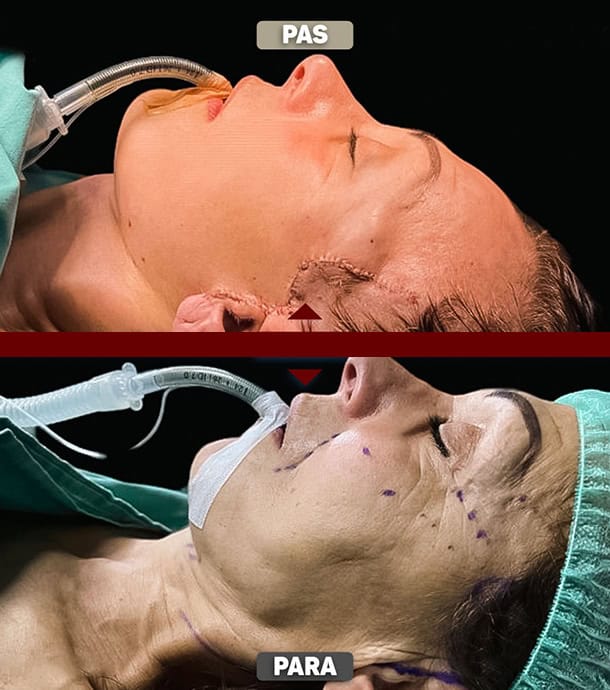
Visual Context: Albania as a Medical Destination
The Real Reason Patients Don’t Do Facelifts in Italy
It’s not that Italy lacks expertise.
It’s that many patients feel:
- Rushed
- Overcharged
- Over-cautioned
- Emotionally unsupported
Albania offers something different:
- Confidence instead of hesitation
- Planning instead of postponement
- Presence instead of distance
Final Thought
For Italian patients, traveling to Albania for a facelift is not about escaping Italy—it’s about finding a place where their goals are taken seriously.
And increasingly, they’re finding that place just across the sea.