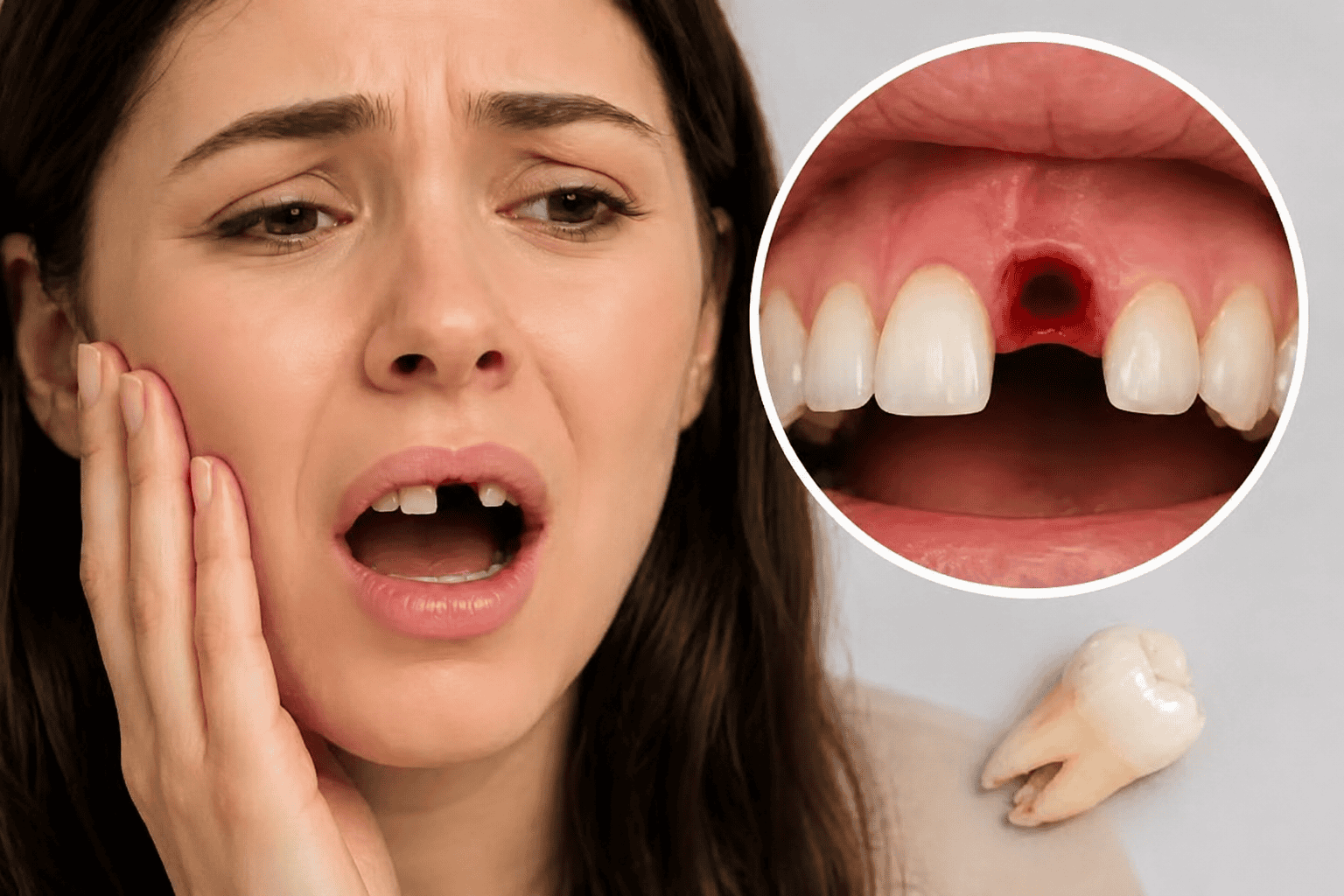
Knocked-Out Adult Tooth: Why Fast Dental Care Matters
A knocked-out adult tooth is a dental emergency, and acting quickly may help save it. Whether the injury happens during sports, a fall, or an accident, the first few minutes are especially important. Knowing how to handle the tooth and getting emergency dental care immediately can make a real difference.
What Should You Do Immediately After a Tooth Gets Knocked Out?
First, try to stay calm and check for more serious injuries. If the person has difficulty breathing, a serious head injury, or uncontrolled bleeding, seek emergency medical care immediately. Otherwise, follow these steps for a completely knocked-out permanent tooth.
1. Find the Tooth and Pick It Up Carefully
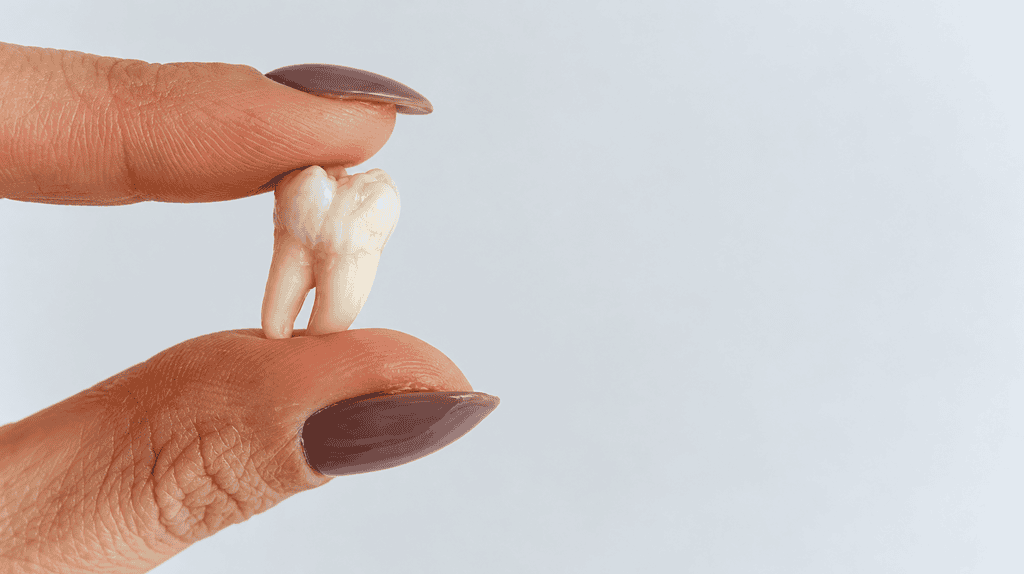
Look for the missing tooth as soon as possible. Hold it by the crown, which is the white part normally visible when you smile.
Remember these simple rules:
- Pick up the tooth by its crown, never the root.
- Avoid touching the root with your fingers.
- Do not scrub away tissue attached to the root.
- Do not wrap the tooth in a dry tissue or cloth.
The root has delicate cells that help the tooth reconnect with the surrounding tissues. Damaging or drying those cells can reduce the chances of successful reimplantation.
2. Gently Rinse the Tooth if It Is Dirty
If the tooth has fallen onto the ground, remove loose dirt with a brief, gentle rinse. Milk, saline, or the injured person’s saliva are suitable choices, and clean water can be used briefly if these are unavailable.
Avoid:
- Scrubbing the tooth with a toothbrush.
- Using soap, disinfectant, or alcohol.
- Scraping or rubbing the root.
- Leaving the tooth out to dry.
There is no need to make the tooth perfectly clean before seeking help. The goal is to remove obvious dirt without damaging the root surface.
3. Put the Tooth Back if It Is Safe to Do So
If you are certain it is a permanent tooth and the person is conscious and able to cooperate, try gently placing it back into its original socket. Hold it by the crown, position it correctly, and use gentle pressure without forcing it. Once in place, bite softly on clean gauze or a cloth to help hold it steady.
If the tooth does not slide into place easily, stop trying. Store it properly and get professional help instead.
4. Keep the Tooth Moist if You Cannot Reinsert It
When immediate reimplantation is not possible, keeping the tooth moist is extremely important. Never leave it sitting dry while you arrange transportation.
Good storage options include:
- Milk: A practical option that helps protect the root cells.
- Emergency tooth preservation solution: A product specifically designed for knocked-out teeth.
- Saliva: The injured person can spit into a clean container to keep the tooth moist.
- Saline solution: Another suitable option when available.
Avoid storing the tooth in plain water for an extended period. Do not place it loose inside a young child’s mouth because of the risk of swallowing or choking.
5. Get Emergency Dental Care Right Away
Do not wait to see whether the pain disappears or the bleeding stops. Head to an emergency dentist immediately, taking the tooth with you if it has not been reinserted.
At American Dental Hospital in Tirana, we provide emergency dental care for injuries including knocked-out teeth. Our emergency services include examination, diagnostic imaging, and treatment intended to preserve damaged teeth when possible.
Why Do the First 30 Minutes Matter So Much?
When a permanent tooth is completely knocked out, it loses its normal connection to the socket and surrounding tissues. Tiny cells on the root begin to suffer when exposed to air. The longer the tooth remains dry, the harder successful healing becomes.
Here is how timing affects the situation:
| Time After Injury | What It Means |
| Immediately | Reimplantation offers the best opportunity to preserve the tooth |
| Within 15–30 minutes | Prompt treatment remains especially important |
| After 30 minutes | Root cells may already be significantly damaged by drying |
| After 60 minutes | A tooth kept dry has a much poorer long-term outlook |
These times describe the importance of limiting dry exposure, not a guarantee of success or failure. A tooth kept in a suitable liquid may have a better chance than one left dry for the same period.
Even if more than an hour has passed, do not throw the tooth away. A dentist can still assess whether reimplantation is appropriate and explain the likely outcome. Bring it along and seek care immediately.
4 Mistakes That Can Make the Situation Worse
In a stressful moment, people sometimes do things that seem helpful but may actually damage the tooth. Knowing what to avoid is just as useful as knowing the correct first-aid steps.
- Waiting until tomorrow: A knocked-out permanent tooth requires immediate attention, even without severe pain.
- Keeping the tooth dry: A pocket, tissue, or empty container does not protect the root cells.
- Cleaning too aggressively: Scrubbing the root can remove tissue needed for healing.
- Trying to reimplant a baby tooth: Baby teeth must never be pushed back into the socket because this can damage the developing permanent tooth.
If you are unsure whether a child’s missing tooth is permanent, do not force it into place. Keep the tooth moist and seek an urgent professional assessment.
Can a Dentist Put a Knocked-Out Tooth Back?
Yes, in many situations a dentist can attempt to reimplant a knocked-out permanent tooth. However, being able to place it back does not automatically mean it will heal successfully.
At an emergency appointment, treatment may involve:
- Examining the injury: Checking the missing tooth, socket, gums, and surrounding teeth.
- Taking dental X-rays: Looking for root damage, bone fractures, or other injuries.
- Repositioning the tooth: Carefully placing it back into the socket when appropriate.
- Stabilizing the tooth: Using a temporary flexible splint connected to neighboring teeth.
- Planning further treatment: Assessing whether root canal treatment and additional appointments will be necessary.
A splint usually remains in place for approximately two weeks when there are no complications requiring longer stabilization. It supports the tooth while the surrounding tissues begin to heal.
The dentist may also review tetanus protection and consider medication when clinically indicated. Treatment decisions depend on the injury, the condition of the root, and how the tooth was handled before arrival.
What Happens After a Tooth Is Reimplanted?
Getting the tooth back into its socket is only the beginning. The surrounding tissues need time to heal, and the tooth may require additional dental treatment.
During the early healing period, your dentist may advise you to:
- Eat softer foods and avoid biting directly with the injured tooth.
- Avoid contact sports while the injury is healing.
- Keep the mouth clean using a soft toothbrush.
- Follow any specific mouth-rinse or medication instructions.
- Return for scheduled examinations and imaging.
Some mature permanent teeth need root canal treatment after reimplantation because the tissue inside the tooth may no longer have a reliable blood supply. Teeth with developing roots may be managed differently, depending on their condition.
Regular follow-up is important even when the tooth feels normal. Complications such as root resorption, where the root gradually breaks down, can develop without obvious early symptoms.
What if the Tooth Cannot Be Saved?
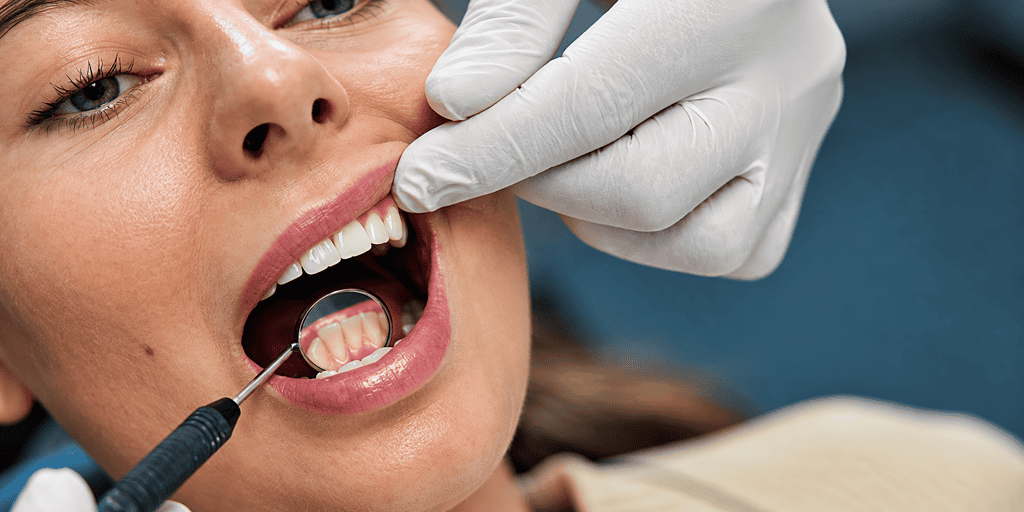
Sometimes the tooth is too damaged or the surrounding tissues cannot support successful long-term reimplantation. This does not necessarily mean anything was done incorrectly. The severity of the injury and time spent outside the mouth can strongly influence the outcome.
When preserving the natural tooth is not possible, the dentist can discuss replacement options after assessing the injury. These may include a dental bridge or, for suitable patients, an implant once the area is ready.
The priority is always to assess whether the natural tooth can be preserved first. Tooth replacement is considered when keeping the original tooth is no longer a suitable option.
Frequently Asked Questions
Can a Knocked-Out Adult Tooth Survive Outside the Mouth?
Sometimes, but its chances depend heavily on how long it stays dry and how it is stored. Teeth kept moist in a suitable solution generally have a better outlook than teeth left exposed to air.
What if I Cannot Find the Knocked-Out Tooth?
Seek urgent dental or medical assessment anyway, especially if there is a possibility that the tooth was swallowed or inhaled. The clinician may recommend imaging to investigate where it went and examine the socket for any remaining fragments.
Is a Knocked-Out Tooth the Same as a Broken Tooth?
No. A knocked-out tooth has completely left its socket, while a broken tooth has lost part of its structure. Both injuries need dental assessment, but the immediate first-aid steps differ.
Can a Permanent Tooth Be Reimplanted in a Child?
Yes, a child’s permanent tooth may also be suitable for immediate reimplantation. Permanent teeth begin appearing at around six years of age, so identifying the tooth correctly is important. Never reimplant a baby tooth.
Does Every Reimplanted Tooth Need a Root Canal?
No, although root canal treatment is commonly needed when a mature permanent tooth has been knocked out. Teeth with roots that are still developing may sometimes recover their internal blood supply, so the dentist will assess and monitor them differently.
🦷 Lost a Permanent Tooth? Contact Our Dental Team Immediately
A knocked-out adult tooth needs urgent attention, not a routine appointment several days later. American Dental Hospital in Tirana provides emergency dental assessment and treatment for dental injuries, including attempts to save knocked-out teeth.
When you call, tell us:
- When the accident happened.
- Whether the tooth is already back in its socket or being kept moist.
- Whether there is bleeding, swelling, or another injury.
Reach American Dental Hospital:
- 📞 Call for urgent dental assistance: +355 68 808 0805
- 📍 Find us: Rruga Sabaudin Gabrani Nr. 2, Tirana, Albania
- 📧 Email for non-urgent questions: [email protected]
Do not delay emergency treatment while waiting for an online reply. Call to confirm immediate availability, and if urgent dental care is unavailable, go to the nearest appropriate emergency dental service.
Get Your Free Dental Quote
Speak with an experienced dentist in Albania and receive a personalized treatment recommendation. We offer free evaluations for all dental treatments, with transparent pricing and expert guidance at every step.
Start your transformation today!
Send your details for a FREE CONSULTATION!
Blogs & Articles
Latest Articles
Get expert dental care tips and clinic updates—all designed to keep your smile healthy and bright.
Baby Tooth Cavities: Why They Still Need Treatment
Baby tooth cavities might seem less important because those teeth will eventually fall out. However,
Read More
Teeth Whitening vs Veneers: Which Treats Stained Teeth?
Not all tooth stains need the same treatment. Teeth whitening can lighten natural teeth, while
Read More
5 Daily Habits That Help Protect Your Dental Implants
Taking care of dental implants does not have to be complicated. A few habits help
Read More
Simple 1 minute consultation request for our experts
Request Your Free Quote
Start your transformation today!
Send your details for a FREE CONSULTATION!