
Breast asymmetry is very common and in most cases is a normal part of body development. Many women have a small difference in size, shape or position between the two breasts. However, when the difference is more noticeable and affects comfort, clothing or self confidence, plastic surgery can offer several options to improve the balance and harmony of the breasts.
What is breast asymmetry?
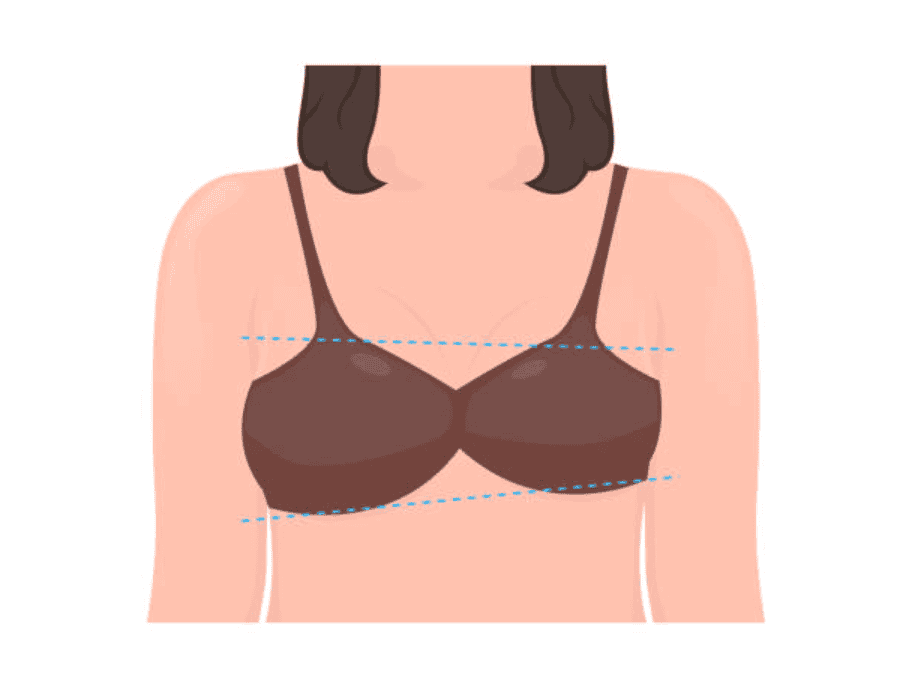
Breast asymmetry happens when one breast differs from the other in size, shape, position or volume. In some cases, the difference is very slight and almost unnoticeable. In other cases, the difference may be more visible and the patient may notice it in the way clothes, bras or fitted garments sit on the body.
Asymmetry may be related to natural development, hormonal changes, pregnancy, breastfeeding, weight fluctuations, aging or previous surgery. For this reason, treatment should be personalized according to the cause and appearance of the breasts.
Is it normal to have asymmetrical breasts?
Yes, it is normal for the two breasts not to be completely identical. The human body is not perfectly symmetrical and small differences between the two sides are very common.
Surgery is usually considered only when the asymmetry is noticeable, causes discomfort or when the patient wants better aesthetic balance. The goal is not to achieve perfection, but a result that is more harmonious and better suited to the patient’s body.

When should breast asymmetry be checked by a doctor?
If the asymmetry has always been present and has not changed suddenly, it is usually not a reason for concern. However, if one breast suddenly changes in size, shape, texture or sensitivity, it is important to have a medical checkup.
Before any aesthetic breast procedure, the plastic surgeon may recommend an assessment of the breast tissue, especially if there are new changes, family history or unusual symptoms. Health safety should always be the first step.
What are the most common causes of asymmetry?
Asymmetry can appear during puberty, when the breasts do not develop in the same way on both sides. In some cases, the difference stabilizes over time, while in other cases it remains into adulthood.
Pregnancy and breastfeeding can change the volume and shape of the breasts. Weight fluctuations, loss of skin elasticity and genetic factors can also affect asymmetry. Sometimes, a previous surgical procedure or trauma in the breast area can create a difference between the two sides.

How is asymmetry assessed before surgery?
During the consultation, the plastic surgeon evaluates the size, shape, nipple position, skin quality, breast volume and the position of the fold under the breast. The assessment is done on both sides, because often the issue is not only size, but a combination of several elements.
The patient should explain what bothers her most: one breast being larger, one breast being more sagging, a difference in shape, a different nipple position or difficulty choosing clothes. This helps the surgeon create a more accurate plan.
Option 1: breast augmentation with implant
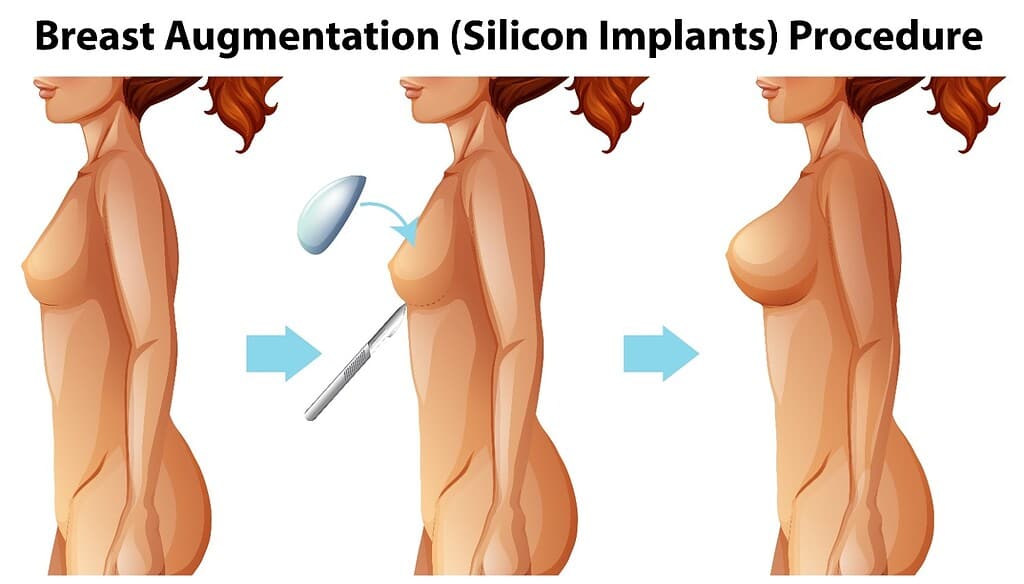
If one breast is smaller, one of the options may be augmentation with an implant. The implant can be placed in one breast or in both breasts, but with different sizes, to create better balance.
This option is more suitable when the main issue is lack of volume. However, if there is also breast sagging or a major difference in nipple position, an implant alone may not be enough.
Option 2: reduction of the larger breast
In some cases, the best solution is to reduce the larger breast so it is closer in size to the other breast. This may be suitable when one side is noticeably more voluminous and causes discomfort, heaviness or difficulty with clothing.
Breast reduction can help not only with aesthetic balance, but also with physical comfort. During this procedure, the surgeon can reshape the breast and improve its position for a more harmonious result.
Option 3: breast lift
If one breast is more sagging than the other, a breast lift may be a suitable solution. A lift aims to raise and reshape the breast, improving its position.
In cases of asymmetry, the lift can be performed on one side or on both sides, depending on the difference between them. Sometimes a lift is combined with an implant or reduction if the volume also needs to be corrected.
Option 4: combining a lift with an implant
When one or both breasts have lost volume and have sagging, a combination of a lift with an implant may be recommended. This combination can help improve position and restore volume.
This is one of the most personalized solutions, because each side may require a different approach. For example, one side may need a larger lift, while the other may need more volume.
Option 5: fat transfer
In some mild cases, fat transfer can be used to improve small differences in volume. This technique uses fat from another area of the body to add volume to the breast in a more gradual way.
Fat transfer is not suitable for every case. It usually provides a more moderate change than implants and depends on the amount of available fat, the quality of the tissues and the result the patient wants.
Can several techniques be combined?
Yes, correcting breast asymmetry often requires a combination of techniques. One side may need an implant, while the other side may need a lift or reduction. In some cases, a combination of a lift, implant and tissue reshaping may be used.
This is why breast asymmetry is not treated with one single formula. The surgical plan should be built according to the patient’s anatomy and not only according to breast size.
Can perfect symmetry be achieved?
Surgery can significantly improve the balance between the two breasts, but perfect symmetry is not always possible. Even after the procedure, small natural differences may remain.
A good result is one that looks harmonious, natural and suited to the body. The patient should have realistic expectations and understand that the goal is improvement, not creating two sides that are identical in every detail.
How is the right procedure chosen?
The right procedure is chosen after a detailed consultation with the plastic surgeon. The decision depends on breast volume, sagging, skin elasticity, nipple position, the desired final size and overall health condition.
If the patient wants larger breasts, an implant or fat transfer may be discussed. If she wants smaller and more balanced breasts, reduction may be discussed. If the main concern is sagging, a lift may be more suitable.
What should you ask during the consultation?
During the consultation, it is good to ask which options are most suitable for your case, what result can be expected, where the scars will be placed and how long recovery will take. You should also discuss whether surgery will be needed on one side or on both sides.
The patient should inform the surgeon about her health history, pregnancies, breastfeeding, previous procedures and any unusual changes in the breasts. The more complete the information is, the safer and more personalized the planning becomes.

What is recovery like after correcting asymmetry?
Recovery depends on the procedure performed. If only an implant or fat transfer is done, recovery may be different from a procedure that includes a breast lift or breast reduction.
After surgery, there may be swelling, sensitivity, bruising or temporary discomfort. The patient should follow the surgeon’s instructions for the support garment, physical activity, scar care and checkups after the procedure.
Does surgery for breast asymmetry leave scars?
Yes, every surgical procedure leaves scars. The location and shape of the scars depend on the technique used. For example, a lift and reduction usually require larger incisions than implant placement alone.
The plastic surgeon plans the incisions so the scars are as discreet as possible. Over time, they usually fade, but they do not disappear completely. Care after surgery plays an important role in the final appearance of the scars.
How long do the results last?
The results can be long lasting, but the breasts continue to change with age, weight fluctuations, pregnancy and gravity. If implants are used, they may need periodic checks and, in some cases, replacement in the future.
To maintain the result for as long as possible, a stable weight, a healthy lifestyle and follow up visits according to the surgeon’s advice are recommended.
Breast asymmetry at American Plastic Surgery
At American Plastic Surgery, correction of breast asymmetry is planned in a personalized way, taking into account the patient’s anatomy, health, expectations and desired result. Each case is assessed separately, because asymmetry may be related to breast size, shape, sagging or position.
If breast asymmetry bothers you or you would like to understand which surgical options may be suitable for you, a consultation with the plastic surgeon can help you make an informed decision. The goal is a more balanced, natural result that is suited to your body.