
Baby Tooth Cavities: Why They Still Need Treatment
Baby tooth cavities might seem less important because those teeth will eventually fall out. However, untreated decay can cause pain, infections, and problems with eating or speaking. Treating cavities when needed helps children stay comfortable while their permanent teeth develop.
Why Treat Baby Teeth If They Are Going To Fall Out?
It is a question many parents ask: why fix a tooth that will eventually be replaced? The answer is simple. Baby teeth have important jobs to do before they are ready to fall out naturally.
Here is why keeping them healthy matters:
- They help children eat properly. Healthy baby teeth allow children to chew different foods comfortably.
- They support speech development. Teeth help children pronounce certain sounds as they learn to speak.
- They hold space for permanent teeth. Baby teeth help keep the correct spaces available as adult teeth develop.
- They support everyday comfort. Tooth decay can make eating, sleeping, and concentrating more difficult.
- They may be needed for years. Some baby molars do not fall out until children are around 10–12 years old.
Losing a baby tooth naturally is very different from losing it several years too early because of decay. If a tooth is removed prematurely, neighboring teeth may shift into the empty space. This can sometimes affect how the permanent tooth comes through.
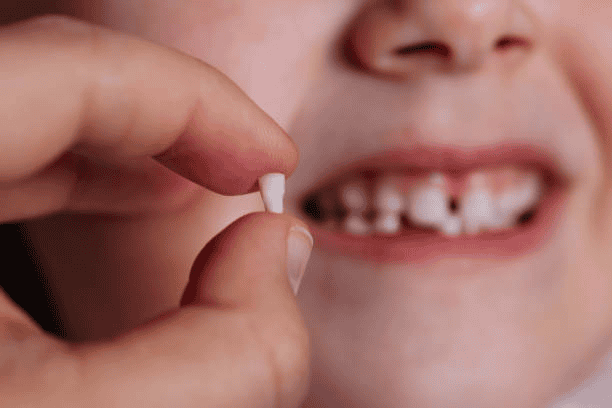
What Happens If You Leave A Baby Tooth Cavity Untreated?
A small cavity does not always cause immediate pain. However, tooth decay can gradually move through the enamel into the softer layers underneath. Without appropriate care, the damage may become more extensive.
Untreated cavities can lead to several problems:
- Tooth sensitivity: Your child may complain when eating cold, hot, or sweet foods.
- Toothache: Deeper decay can irritate or infect the tissue inside the tooth.
- Difficulty eating: Children may avoid chewing on one side or refuse certain foods.
- Dental infections: Advanced decay can sometimes cause an abscess, which is a collection of pus caused by infection.
- Early tooth loss: A severely damaged tooth may need to be removed if it cannot be restored.
Children do not always explain dental discomfort clearly. Some become fussy during meals, wake up during the night, or suddenly refuse foods they normally enjoy. These changes are worth discussing with a dentist.
The good news is that detecting decay early may allow simpler treatment. You do not need to wait until your child complains of pain before arranging an examination.
Does Every Baby Tooth Cavity Need A Filling?
Not necessarily! The right treatment depends on how much of the tooth has been affected and whether there is already a visible hole. Some early areas of decay can be managed without drilling, while more advanced cavities may need restorative treatment.
| Condition of the Baby Tooth | Possible Treatment |
| Early enamel changes without a hole | Fluoride treatment, preventive care, and monitoring |
| Small or moderate cavity | Dental filling |
| Deep decay near the tooth’s nerve | Pulp treatment or another suitable restoration |
| Severely damaged or infected tooth | Extraction when the tooth cannot be saved |
These are general possibilities, not automatic treatment decisions. Your child’s dentist will examine the tooth, consider its stage of development, and recommend an appropriate approach.
At American Dental Hospital, our pediatric dentistry services include preventive care, cavity treatment, pulp therapy, and extractions when necessary. Our approach focuses on the child’s dental needs and age.
How Are Cavities In Baby Teeth Treated?
Parents sometimes imagine that treating a baby tooth automatically means a filling or extraction. In reality, pediatric dental care offers several options depending on the stage of decay.
For Early Decay: Protect the Tooth
When decay has not yet created a cavity, preventive treatment may help stop or reverse early enamel damage. Your dentist may recommend fluoride varnish and changes to daily cleaning habits.
This approach requires proper assessment and follow-up. Once an actual hole has formed, fluoride alone usually cannot rebuild the missing tooth structure.
For Cavities: Repair the Damaged Tooth
A dental filling may be recommended when decay has created a hole that needs repairing. The dentist removes or manages the damaged tooth structure and places a suitable restorative material.
At American Dental Hospital, we provide otturazioni dentali as part of our restorative services. The material and technique used for a child are selected according to the tooth and clinical situation.
For Deep Cavities: Try to Save the Tooth When Appropriate
When decay reaches close to the tooth’s inner tissue, the dentist may consider pulp therapy. This treatment aims to preserve a baby tooth when its condition allows it to be retained safely.
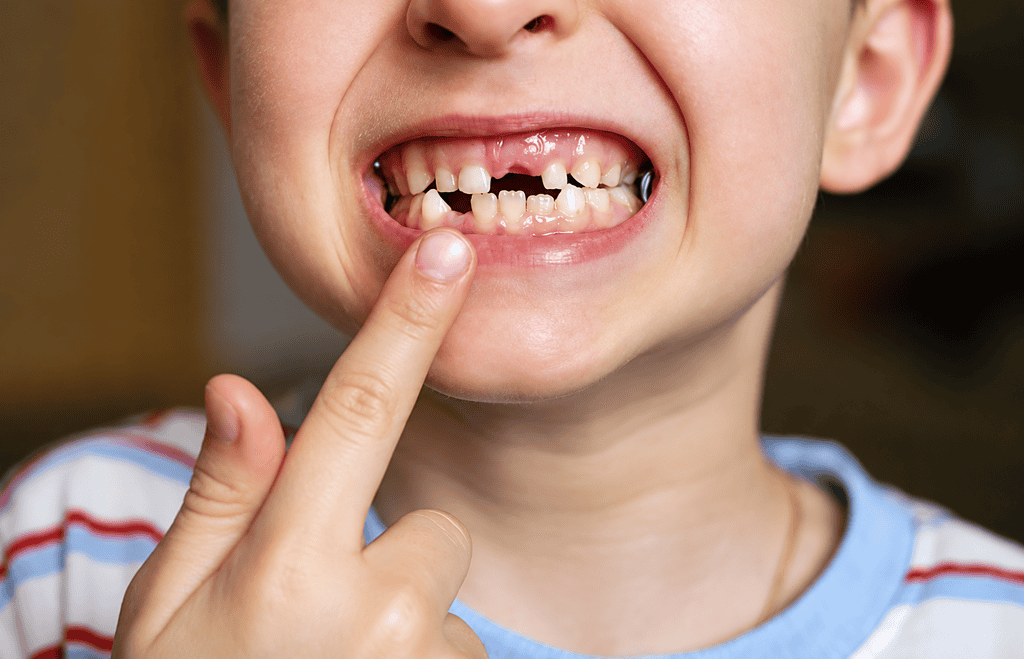
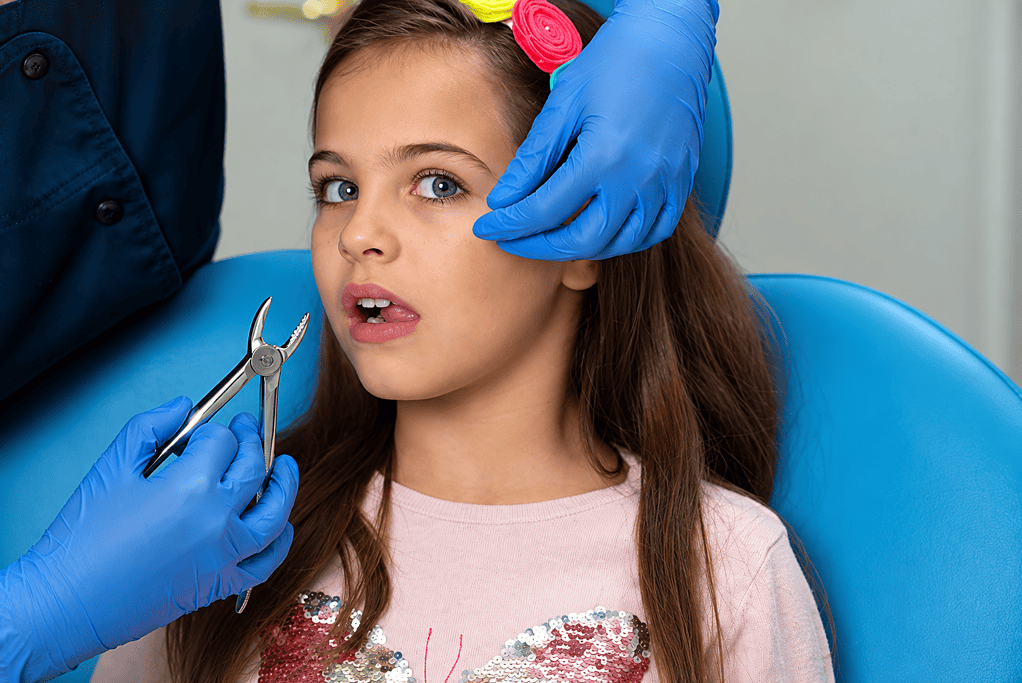
Sometimes an extraction is the more appropriate option, particularly if the tooth is severely infected or cannot be restored. If it is removed much earlier than expected, the dentist may assess whether a space maintainer is needed.
What Should Parents Expect At A Children’s Dental Appointment?
A dental visit should help parents understand what is happening rather than leave them guessing. Children also benefit when the experience is explained in simple, age-appropriate language.
A visit may involve:
- A conversation with the parents: We ask about symptoms, eating habits, brushing routines, and previous dental experiences.
- A gentle examination: The dentist checks the child’s teeth and gums for signs of decay or other problems.
- Dental X-rays if necessary: These may help identify decay between teeth or assess the extent of damage.
- A treatment explanation: We discuss the findings, suitable options, and what each proposed treatment involves.
- Advice for home: Parents receive practical recommendations for keeping the remaining teeth healthy.
At American Dental Hospital, our pediatric dental services include child-focused communication and techniques designed to help younger patients feel more comfortable. We also provide guidance for children who feel anxious about dental appointments.
If your child has never visited a dentist, avoid describing the appointment as something frightening. Instead, explain that the dentist will look at their teeth and help keep them healthy.
When Should You Be Concerned About A Baby Tooth Cavity?
A dark spot or small hole deserves a dental appointment, even when your child seems comfortable. However, some symptoms suggest that the problem needs more urgent attention.
Contact a dentist promptly if your child has:
- Toothache that keeps returning or interrupts sleep.
- Swollen or unusually red gums around a damaged tooth.
- Pain when chewing or biting.
- A bad taste, visible pus, or a small swelling near a tooth.
- A broken tooth with visible decay.
Facial swelling, fever accompanying dental pain, or signs of an abscess require urgent dental assessment. If your child develops difficulty breathing or swallowing, seek emergency medical care immediately.
Our emergency dental care services include assessment of severe toothaches and dental infections. Early evaluation can help identify the appropriate treatment before the problem becomes more serious.
How Can You Help Prevent New Cavities?
Once your child’s cavity has been assessed, it is worth making a few improvements to their daily routine. Small, consistent habits are more useful than occasional intensive cleaning.
Try these practical tips at home:
- Brush twice daily: Help your child brush with a soft toothbrush and fluoride toothpaste.
- Use the right toothpaste amount: Children under three need a rice-grain-sized smear. From ages three to six, a pea-sized amount is generally recommended.
- Help with brushing: Young children usually need adult assistance, even when they want to brush independently.
- Clean between touching teeth: Floss gently where a toothbrush cannot reach.
- Reduce frequent sugary snacks: Try to avoid constant grazing on sweets and sugary drinks.
- Choose water regularly: Offer water between meals instead of sweetened beverages.
- Keep dental appointments: Professional examinations can identify early problems that parents may not notice.
For children at higher risk of cavities, the dentist may also recommend fluoride varnish or dental sealants. These preventive treatments are included among our pediatric dental services.
Domande frequenti
Can a Baby Tooth Have a Cavity Without Hurting?
Yes, especially when the decay is still in its early stages. Pain is not a reliable way to judge how serious a cavity is, so a visible hole or suspicious spot should be examined even if your child has no complaints.
What If My Child’s Decayed Baby Tooth Is Already Loose?
A loose baby tooth may be approaching its natural replacement time, but looseness can also have other causes. A dentist can check whether the tooth is ready to fall out naturally or whether treatment is still necessary.
Is My Child Too Young to Have a Cavity Treated?
No, dental decay can affect children as soon as their first teeth appear. The dentist will consider your child’s age, cooperation, and dental condition when selecting the safest and most appropriate management.
Will My Child Need an Injection for a Baby Tooth Filling?
Some fillings require local anesthesia to keep the child comfortable, while certain very early treatments may not. The dentist will explain what is needed before starting and can use age-appropriate techniques to help your child manage the experience.
Are Dental X-Rays Always Necessary for Baby Tooth Cavities?
No, X-rays are recommended only when they can provide useful information that affects diagnosis or treatment. Some cavities are clearly visible during an examination, while others are hidden between neighboring teeth.
🦷 Book A Dental Check For Your Child
Have you noticed a dark spot, a small hole, or a change in how your child eats? At American Dental Hospital, we can examine your child’s teeth and explain whether treatment is needed.
Our pediatric dental team can help with:
- Identifying cavities and assessing their severity.
- Discussing suitable treatments for damaged baby teeth.
- Helping parents improve their children’s daily oral hygiene.
Get in touch to arrange a visit:
- 📧 Email: [email protected]
- 📞 Telephone: +355 68 808 0805
- 📍 Location: Rruga Sabaudin Gabrani Nr. 2, Tirana, Albania
Richiedi un preventivo dentale gratuito
Parla con un dentista esperto in Albania e ricevi una proposta di trattamento personalizzata. Offriamo valutazioni gratuite per tutti i trattamenti dentali, con prezzi trasparenti e assistenza specialistica in ogni fase.
Inizia oggi la tua trasformazione!
Invia i tuoi dati per una CONSULENZA GRATUITA!
Blog e articoli
Ultimi articoli
Scopri i consigli dei nostri esperti per la cura dentale e gli aggiornamenti della clinica, pensati per mantenere il tuo sorriso sano e luminoso.
Knocked-Out Adult Tooth: Why Fast Dental Care Matters
A knocked-out adult tooth is a dental emergency, and acting quickly may help save it.
Scopri di più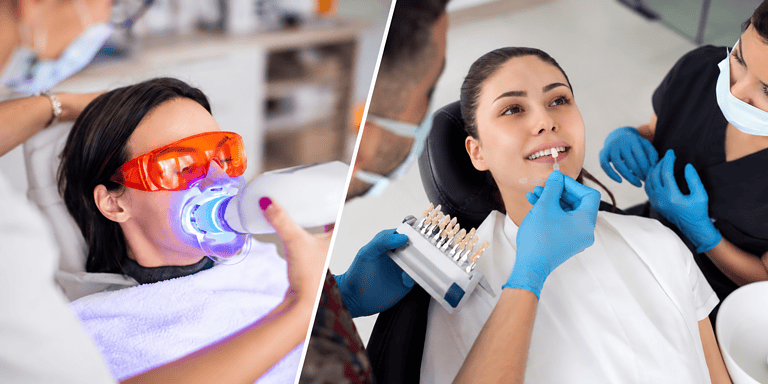
Teeth Whitening vs Veneers: Which Treats Stained Teeth?
Not all tooth stains need the same treatment. Teeth whitening can lighten natural teeth, while
Scopri di più
5 Daily Habits That Help Protect Your Dental Implants
Taking care of dental implants does not have to be complicated. A few habits help
Scopri di più
Richiedi una consulenza di 1 minuto con i nostri esperti
Richiedi il tuo preventivo gratuito
Inizia oggi la tua trasformazione!
Invia i tuoi dati per una CONSULENZA GRATUITA!