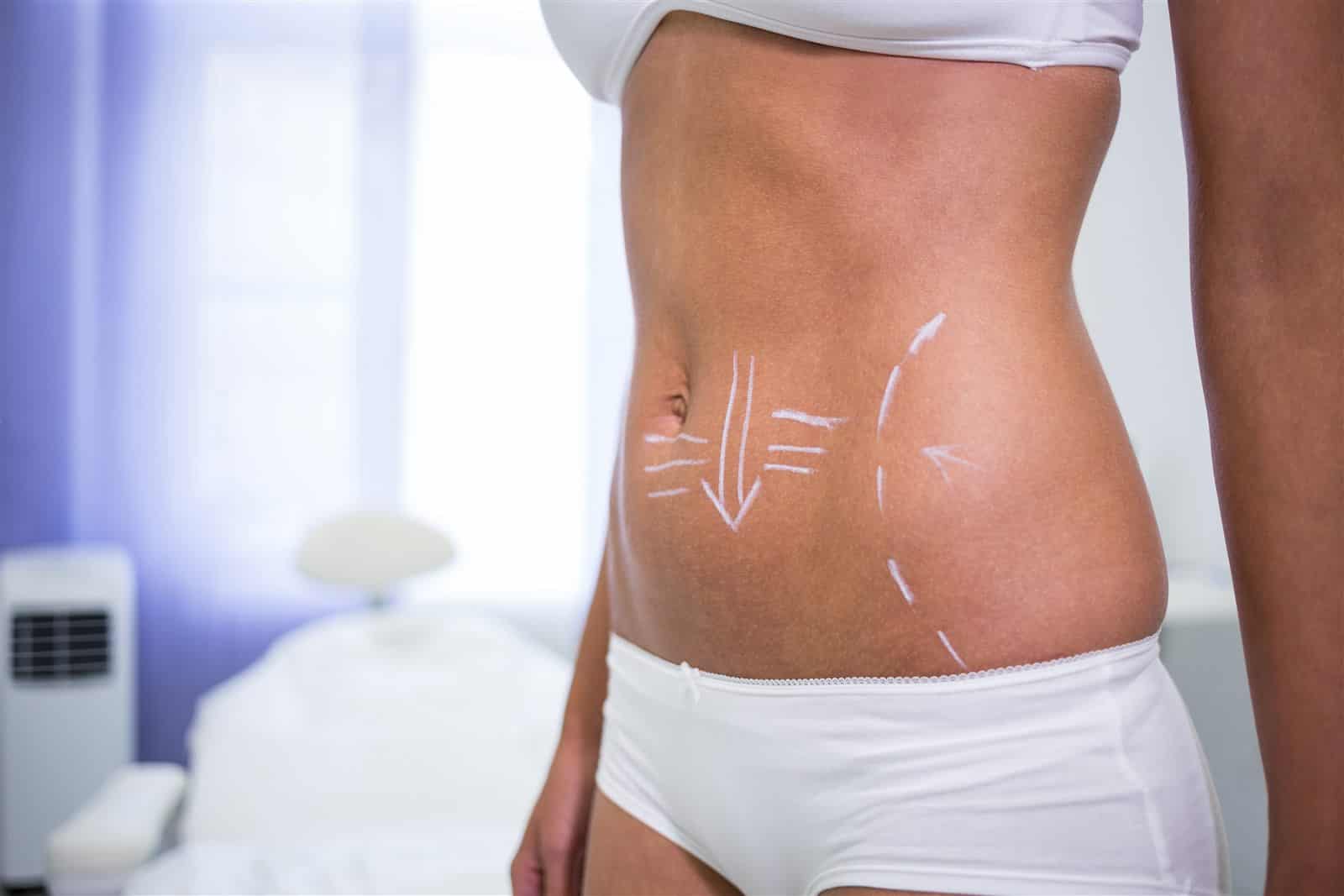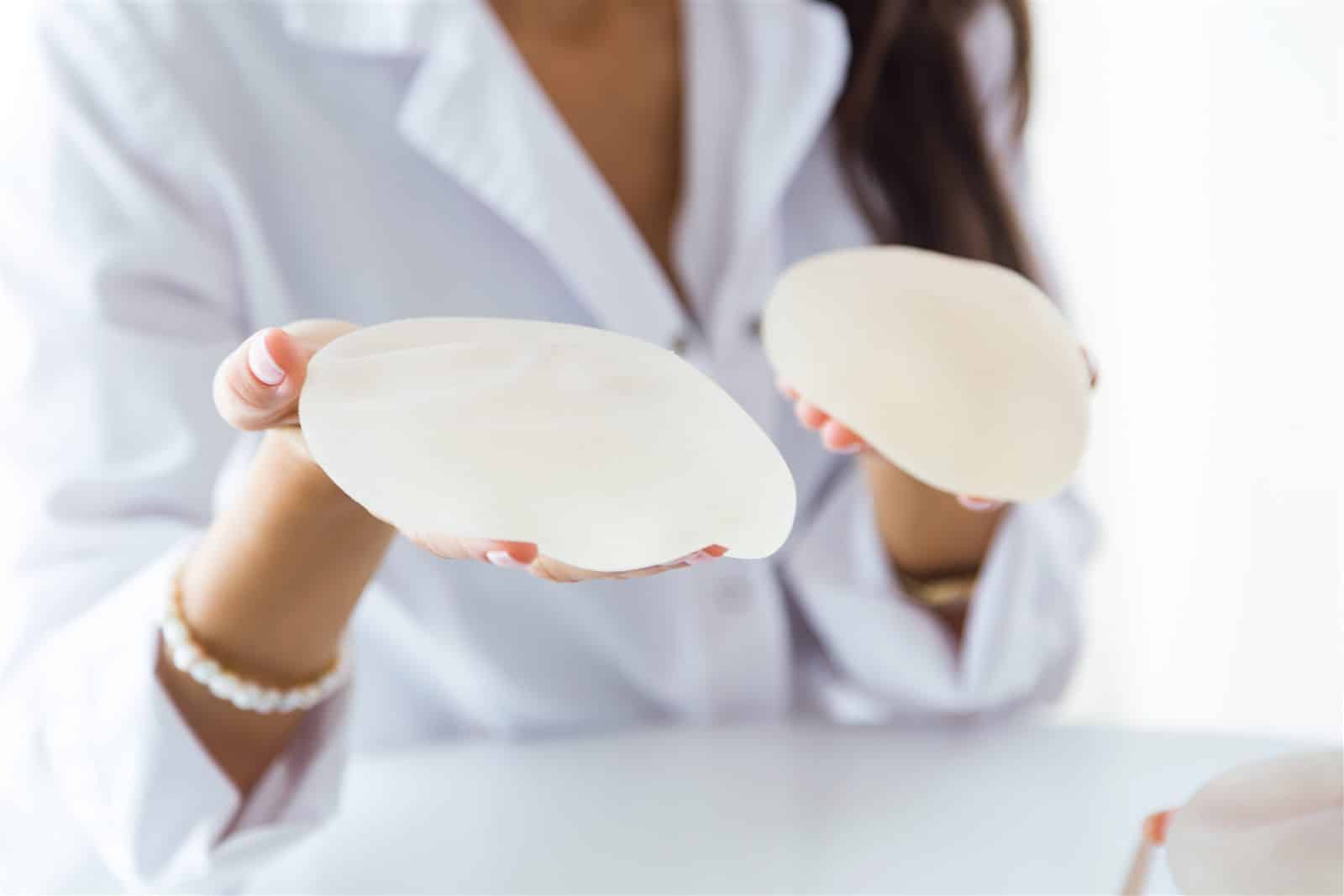
Breast augmentation with implants can add volume, improve shape, and create proportions that complement your body. The result depends on your anatomy, implant dimensions, surgical technique, and healing. Your appearance in the first few days is not the final outcome: the breasts change gradually as swelling decreases and the tissues settle.
If you are considering this procedure, it is natural to ask: “How much difference will I see?”, “Will my breasts look natural?” or “How do I choose the right size?”. The answers begin with a consultation where you can explain your preferences and understand what may be achievable in your case.
At American Hospital, breast augmentation is part of the plastic surgery services provided within a hospital setting. Planning includes assessing your body, discussing your desired result, and arranging postoperative care.

What would you like to change about your breasts?
Before thinking about an implant size, it is worth identifying the change you want. Some women would like a modest increase in volume. Others seek more fullness after pregnancy or weight loss, while some want to improve a difference between their breasts.
To explain your goals more clearly, consider their appearance:
- From the front, with and without clothing.
- In profile, including how far the breasts project.
- In the upper part of the breasts.
- In relation to your shoulders, waist, and hips.
Words such as “natural”, “full”, or “noticeable change” can mean different things to each patient. Reference photographs help, but your conversation with the surgeon should clarify exactly what you like about them.
Implant size alone does not determine the result
One of the most common questions is: “How many cc do I need?”. Volume in cubic centimetres is only one part of the choice. The surgeon also considers chest width, existing tissue, skin elasticity, and implant projection—how far the implant extends forwards.
The same volume can create different appearances in two women. For this reason, another patient’s implant size is not a reliable guide for your body. Bra sizes also vary by brand and style, so they are not the most accurate way to describe the result.
During your consultation, ask how the proposed dimensions relate to your anatomy. The aim is to choose an implant that matches your preferences and the capacity of the tissues that will support it.
How do you discuss your desired shape?
When thinking about shape, you can start with a simple question: would you like a subtle change or more pronounced breasts?
This helps you discuss specific details, such as upper fullness, the side view, and breast contour. Also explain whether you would prefer the change to be more noticeable in clothing or without it.
Do not limit the discussion to the implant’s name or type. Ask the surgeon to explain the reasons for the proposed shape, dimensions, and placement. An understandable explanation helps you make a clearer decision.
If implant sizers or simulations are used, treat them as guides. They can make the discussion more concrete, but they do not promise an exact final appearance.
When might a breast lift also be needed?
Adding volume and lifting the breasts address different needs. When there is significant sagging, excess skin, or a low nipple position, an implant alone may not provide the change you want. In selected cases, the surgeon may suggest a breast lift, with or without implants.
This is particularly useful to discuss if your main concern is that your breasts have lost their position as well as their volume.
Ask your surgeon: “Which part of the change I want requires an implant, and which requires a lift?”. This helps you understand the benefits, surgical scars, and recovery involved in each option before deciding.
How should you interpret before-and-after photographs?
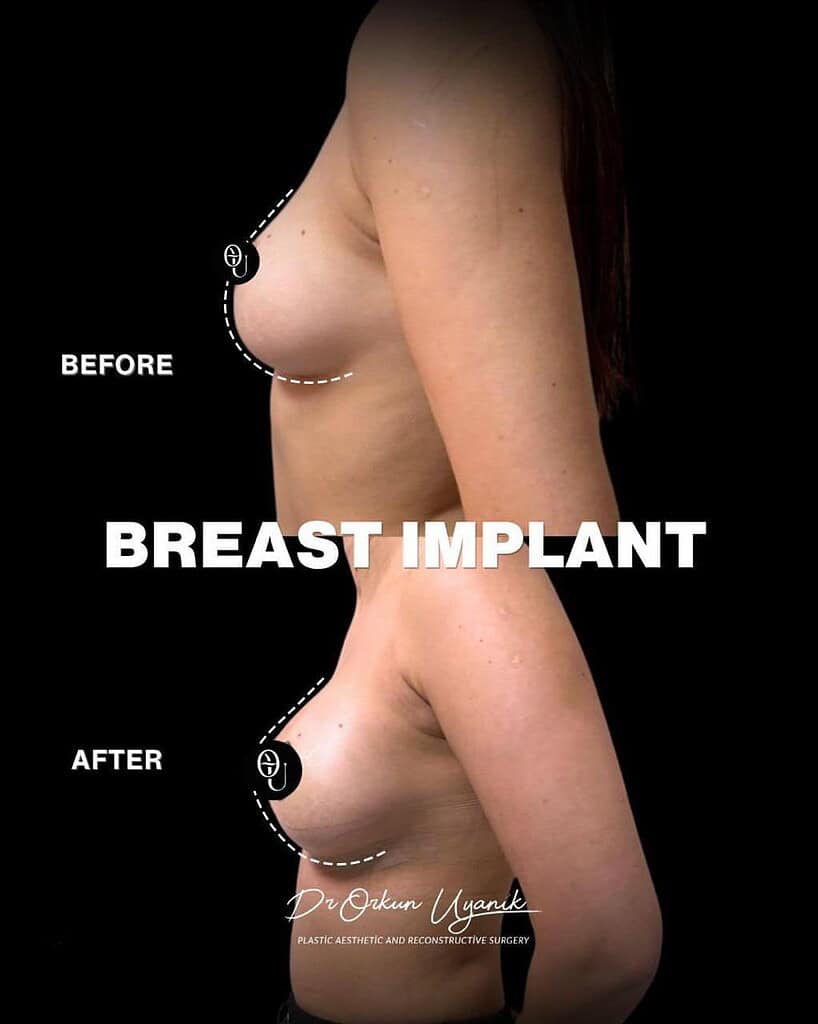
Photographs of real cases are useful for understanding the possibilities of surgery. American Hospital’s website presents breast augmentation results that can serve as a starting point for your consultation.
For a more meaningful comparison, look at cases with a starting appearance similar to yours. Pay attention to the camera angle, lighting, and body posture too.
Useful questions include:
- How long after surgery was the photograph taken?
- Was augmentation performed alone or together with a lift?
- What changed in shape, and what changed in volume?
- How similar is this patient’s anatomy to mine?
A photograph can help you express your preferences. However, another patient’s result cannot be reproduced exactly for you.
How do the breasts change during recovery?
Initially, the breasts may look more swollen and feel tighter. Over the following weeks and months, their appearance and feel generally become softer as healing progresses. Returning to everyday activities and assessing the final cosmetic outcome do not necessarily happen at the same time.
To approach this period with greater peace of mind, ask the team to explain what to expect at each stage. Scheduled follow-up appointments are more useful than judging the result in the mirror every day.
Write down questions that arise during healing and discuss them at your check-up. If you want to document changes, photographs taken in the same position and lighting can make comparisons clearer.
What should you know about scars and sensation?
Augmentation with implants requires surgical incisions, so it leaves scars. Their location is discussed before surgery. Sensation in the breasts or nipples may also change temporarily or permanently.
Do not hesitate to ask the surgeon to show you where the incision is planned and how you should care for it. This is part of understanding the complete result, alongside shape and volume.
At home, follow the team’s instructions on supportive garments, washing, and the products you can use. Ask before starting massage or scar treatments, even if you have seen them recommended on social media.
Pregnancy and breastfeeding
If you are planning a pregnancy, mention this during your consultation. This helps connect your decision with your family plans.
Breastfeeding may be possible after implants, but it is not guaranteed. The effect depends, among other factors, on the surgery and implant placement; some women may produce less milk.
Ask your surgeon how the proposed technique relates to this issue. If you are currently breastfeeding or have recently stopped, request an assessment of the appropriate timing for surgery.
Cosmetic results should be discussed alongside safety
A complete consultation includes the risks. These include infection, bleeding, tightening of the scar tissue around the implant, rupture or changes in implant position, and visible rippling. There is also a rare association between breast implants and BIA-ALCL, a type of lymphoma.
Ask for an explanation of the risks associated with the proposed implant and the follow-up plan. You should know which team to contact and what happens if a problem develops.
Unexpected pain, unusual swelling, or changes in skin colour should be reported promptly.
This information helps you plan your care clearly and recognise signs that require assessment.

Caring for implants in the long term
Implants are not devices that necessarily last a lifetime. Some patients may need another operation in the future.
Before surgery, request a follow-up plan and keep your implant documentation. Ask which changes you should report and when examinations may be needed.
Breast checks continue after augmentation. When having a mammogram, tell the staff that you have implants so the examination can be adapted.
A considered decision includes both the result you want today and your willingness to maintain follow-up in the years ahead.
How can you prepare for your consultation in Albania?
Prepare a summary of your medical history, previous operations, and any medications or supplements you use. Bring the results of previous breast examinations if you have them.
Write down two or three main goals. For example: more upper fullness, a moderate change, or improvement in a difference between your breasts. This keeps the consultation focused on your needs.
If you are travelling from abroad, discuss the following before booking:
- The time needed for assessment and follow-up appointments.
- The help you may need after surgery.
- The requirements for your return journey.
- How communication will continue after you leave.
Do not base your return date solely on the day of surgery. Allow time for the team to assess your healing progress.

Planning your procedure at American Hospital
At American Hospital, breast augmentation is performed in a hospital setting, with hospital care available 24/7. This support is an important part of organising treatment and recovery.
During your consultation, you can discuss your desired shape, suitable dimensions, and whether you need implants alone or a combined procedure. Also request clear instructions for follow-up appointments and contacting the team.
If you are considering breast augmentation with implants in Albania, begin by explaining the change that matters to you. A personalised plan helps you understand the possibilities and make a considered choice about a result that suits your body and preferences.