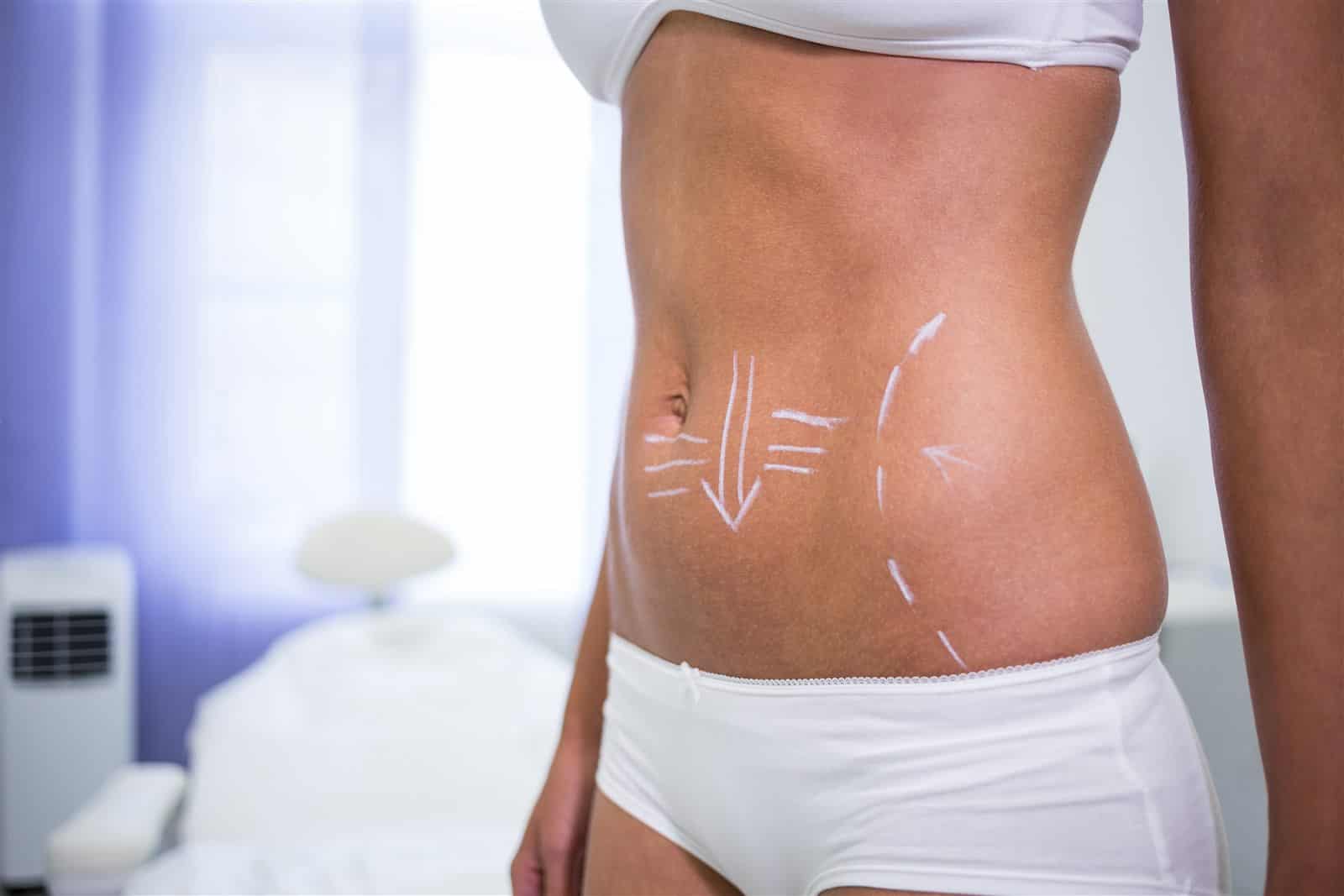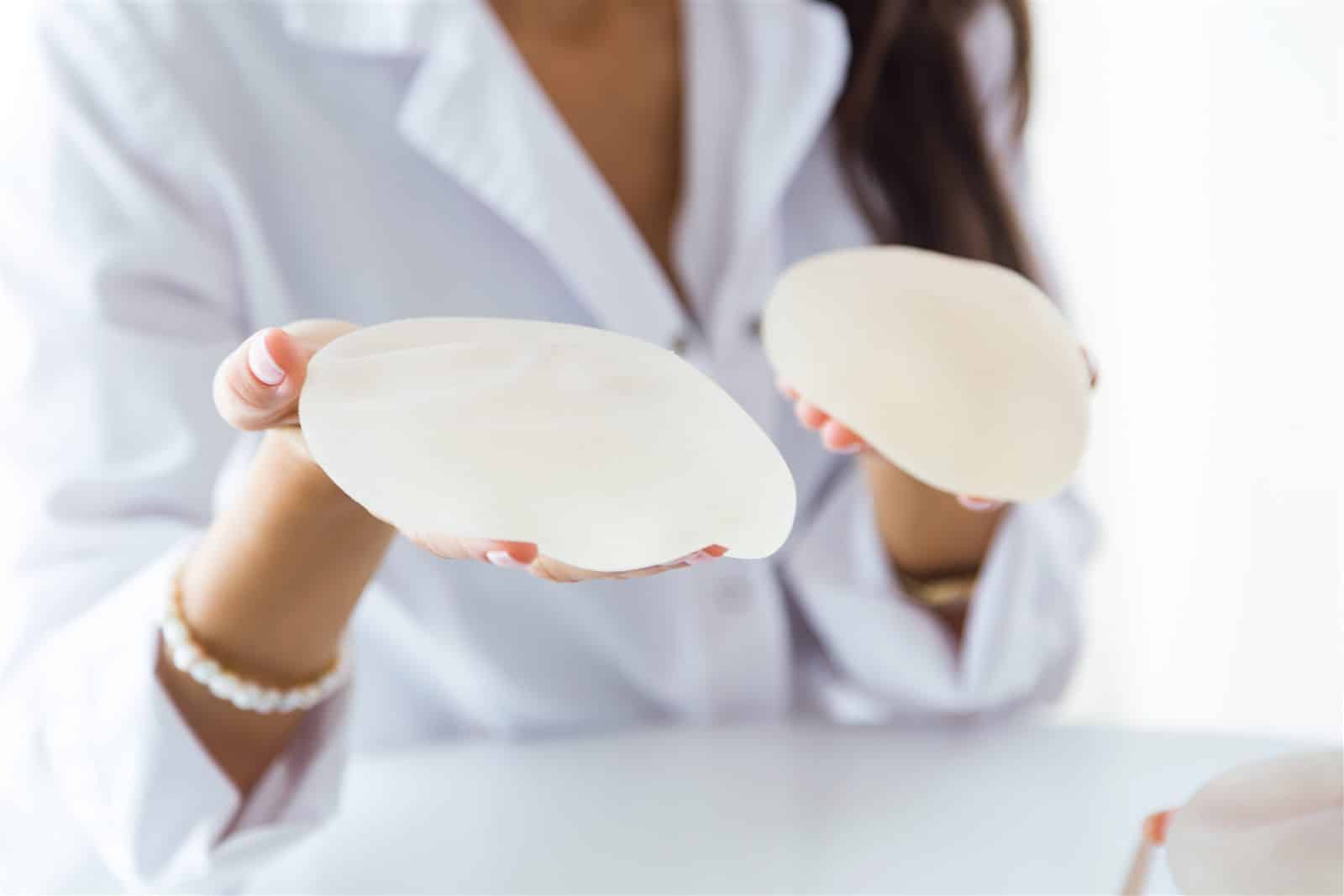
Liposuction remains one of the most popular cosmetic surgeries; the American Society of Plastic Surgeons’ 2025 report again ranked it the most performed cosmetic surgery. But the word “liposuction” now covers several different techniques. One of the most frequently searched is VASER liposuction, often marketed as a more advanced, more precise alternative to traditional liposuction. But what is the real difference, and is VASER always the better choice?
This guide compares VASER liposuction and traditional liposuction honestly: how each technique works, what the evidence says about results and skin tightening, how recovery differs, and how a surgeon decides which approach is right for your body.

What Is Traditional Liposuction?
Traditional liposuction, known medically as suction-assisted liposuction (SAL), is the technique that has been refined over several decades. The surgeon first injects a tumescent solution, a mixture of saline, local anaesthetic and adrenaline, into the treatment area. This reduces bleeding and discomfort. A thin, hollow tube called a cannula is then inserted through small incisions and moved back and forth to break up and suction out fat cells.
In experienced hands, traditional liposuction is safe, effective and highly versatile. It remains the foundation of most body contouring procedures, and every other liposuction technology still relies on suction to actually remove the fat.

What Is VASER Liposuction?
VASER stands for Vibration Amplification of Sound Energy at Resonance. It is a form of ultrasound-assisted liposuction (UAL). After the tumescent solution is injected, the surgeon inserts a thin probe that emits ultrasound energy. This energy selectively loosens and liquefies fat cells while largely sparing surrounding structures such as blood vessels, nerves and connective tissue. The loosened fat is then removed with gentle suction.
It is important to understand that VASER does not replace suction; it is an additional step that prepares the fat before it is removed. The skill of the surgeon in sculpting with the cannula is still what shapes the final result.
VASER vs Traditional Liposuction: Key Differences
1. How fat is removed
With traditional liposuction, the cannula mechanically disrupts fat as it is suctioned. With VASER, ultrasound energy first emulsifies the fat, so the cannula can move through tissue more easily and with less force.
2. Precision and fibrous areas
VASER is often preferred for areas where fat is dense or fibrous, such as the upper abdomen, back, flanks and male chest, as well as for revision liposuction where scar tissue from previous surgery makes fat harder to remove. It is also widely used in high-definition body sculpting, where the surgeon aims to define muscle contours, for example in abdominal etching.
3. Skin retraction
One of the main claims about VASER is that it helps the skin tighten more after fat removal. There is some supporting evidence: a small randomised study published in Plastic and Reconstructive Surgery in 2012, in which each patient had one side treated with VASER and the other with traditional liposuction, reported better skin retraction and less blood loss on the VASER-treated side. However, the study was small, and there is not yet strong evidence from large independent trials. VASER may give a modest advantage in skin contraction for suitable patients, but it cannot tighten significantly loose or hanging skin. If you have substantial skin laxity, a skin-removing procedure such as a tummy tuck will be more appropriate.
4. Blood loss and bruising
Because the ultrasound energy is selective, VASER may cause less trauma to blood vessels, which can mean less blood loss and, for some patients, less bruising. In practice, bruising also depends heavily on the surgeon’s technique, the volume removed and the individual patient.
5. Fat quality for transfer
Fat removed with VASER can be used for fat transfer, for example in a Brazilian Butt Lift or fat transfer to the breasts, when the settings are appropriate. Traditional liposuction is also commonly used to harvest fat for grafting.
6. Specific risks
Both techniques share the general risks of liposuction, such as swelling, bruising, contour irregularities, numbness and fluid collection (seroma). Ultrasound-assisted techniques also carry a specific risk of thermal injury (burns) to the skin or deeper tissues if not used correctly, which is why surgeons use skin protectors, constant probe movement and carefully controlled energy settings. VASER requires specialised training and experience.
Is VASER Better Than Traditional Liposuction?
The honest answer is: it depends on your body and your goals. VASER is not automatically better, and traditional liposuction is not outdated. Each technique has situations where it shines.
VASER may be a good choice if you:
- Have firm, fibrous fat, for example on the back, flanks or male chest
- Want more detailed definition or high-definition sculpting
- Have had liposuction before and need revision
- Have good skin elasticity and want to maximise natural skin contraction
Traditional liposuction may be just as suitable, or preferable, if you:
- Have soft fat in areas such as the thighs, hips or lower abdomen
- Need a straightforward contour improvement rather than detailed definition
- Are having fat harvested for transfer where a gentle technique is preferred
In many procedures, surgeons combine techniques, using VASER in some areas and traditional liposuction in others. Other technologies, such as laser liposuction or radiofrequency-assisted BodyTite, may also be considered depending on your needs.
Who Is a Good Candidate for Liposuction?
Whichever technique is used, the ideal candidate for liposuction:
- Is at or near a stable, healthy weight
- Has localised pockets of fat that do not respond to diet and exercise
- Has reasonably good skin elasticity
- Is in good general health and does not smoke
- Understands that liposuction is a body contouring procedure, not a weight-loss treatment
Liposuction does not treat cellulite, and it is not a substitute for a healthy lifestyle. Fat cells that are removed do not grow back, but remaining fat cells can still enlarge if you gain weight.
Recovery: VASER vs Traditional Liposuction
Recovery after both techniques follows a similar timeline. Some patients report slightly less bruising after VASER, but the extent of the procedure matters far more than the technology. In general:
- First days: swelling, bruising and soreness, managed with pain relief and compression garments
- First week: most patients walk comfortably and many return to desk work within about a week
- Weeks 2 to 6: swelling gradually reduces; you will usually wear compression garments for around four to six weeks, and lymphatic massage may be recommended
- Months 3 to 6: final contour becomes visible as residual swelling resolves
For a detailed timeline, read our guide to recovery after liposuction in Albania. International patients typically stay in Tirana for several days after liposuction before flying home, depending on the extent of the procedure.
How the Right Technique Is Chosen
The best technique is decided during a consultation, not from a brochure. Your surgeon will assess the thickness and firmness of your fat, your skin quality, the areas you want to treat, whether fat will be used for transfer, and your overall health. A good surgeon will explain why a particular technique suits you, and will be honest if liposuction alone is not the right procedure for your goals.
If you are comparing options, you may also find our articles on tummy tuck vs liposuction and liposuction for men helpful.
VASER and Traditional Liposuction at American Hospital
At American Hospital in Tirana, our plastic surgeons offer VASER liposuction, traditional liposuction and 360 liposuction, selecting the technique that best fits each patient. All procedures take place in fully equipped hospital operating rooms with experienced anaesthesiology teams and 24/7 medical monitoring.
To find out which approach suits your body, send us photos of the areas you would like to treat for a free online consultation.
Frequently Asked Questions
Is VASER liposuction less painful?
Some patients report slightly less discomfort and bruising after VASER, but pain levels mainly depend on the size and number of areas treated. Both techniques are performed under anaesthesia, and post-operative discomfort is usually well controlled.
Does VASER tighten skin?
VASER may encourage slightly better skin contraction than traditional liposuction in patients with good elasticity, but it cannot replace surgical skin removal for loose or hanging skin.
Are VASER results permanent?
The fat cells removed do not return with either technique. Results last as long as you maintain a stable weight.
How much fat can be removed with VASER?
The safe volume depends on your weight, health and the areas treated, not on the technology. Your surgeon will set a safe limit for your individual case.
Can VASER be used for men?
Yes. VASER is popular for male patients, particularly for the flanks, abdomen and chest, where fat tends to be more fibrous.
VASER is a registered trademark of its manufacturer. This article is for general information and does not replace a personal medical consultation.