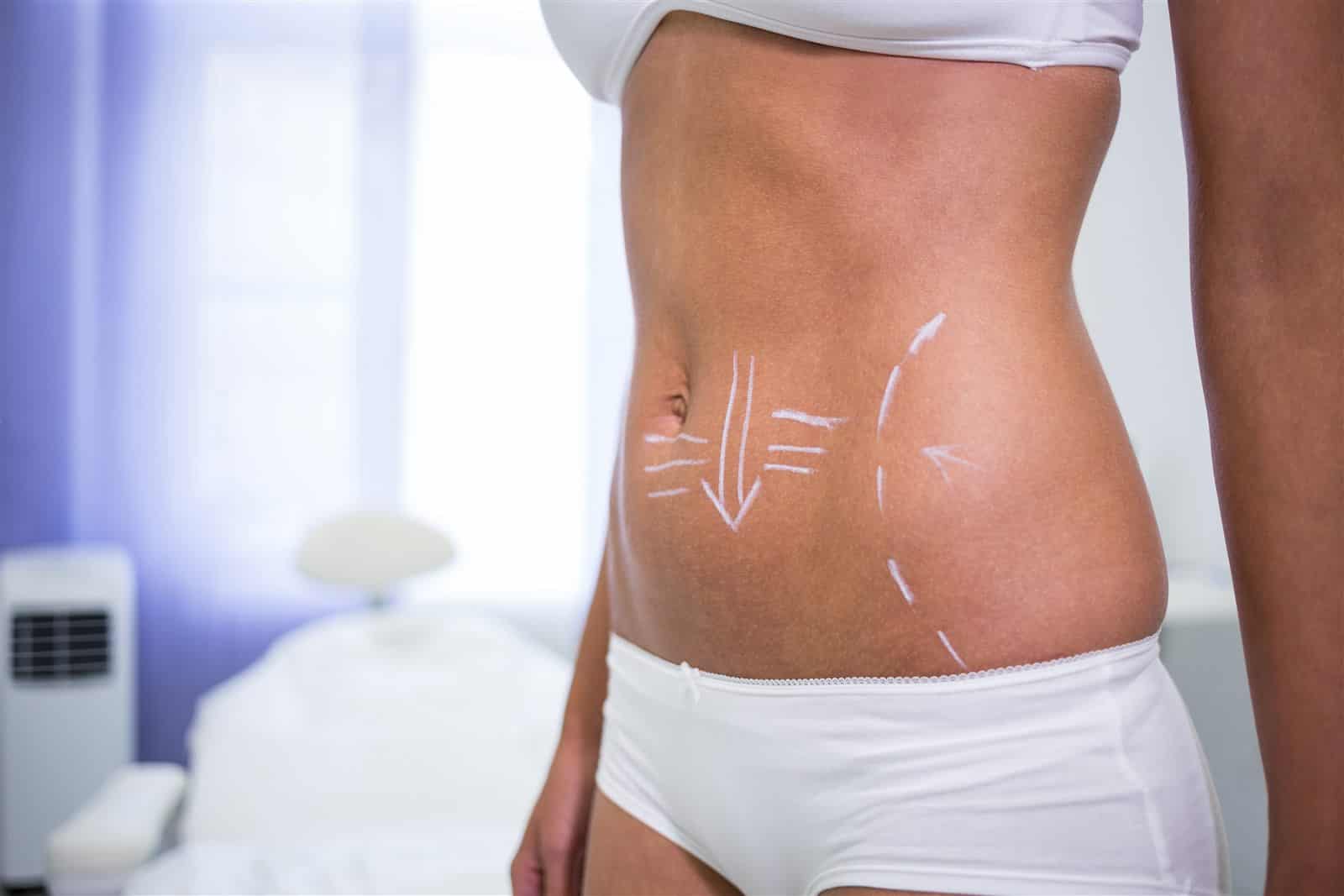
Sculpted cheekbones and a slimmer lower face have become a highly desired look, and buccal fat removal is one of the procedures most often associated with it. Social media has made the operation hugely popular, but it has also fuelled confusion and, in some cases, regret.
Buccal fat removal can give excellent, natural-looking results for the right patient. For the wrong patient, it can make the face look hollow and older over time. This guide explains what buccal fat is, who is genuinely a good candidate for buccal fat removal, who should avoid it, and what alternatives may achieve your goal more safely.

What Is Buccal Fat?
Buccal fat pads are deep pockets of fat that sit in the hollow area between your cheekbone and jaw, beneath the cheek muscles. Everyone has them, but their size varies from person to person. In some people they are prominent, giving a full, round or “baby-faced” appearance even when the rest of the body is lean.
Unlike the fat under the skin, buccal fat is not significantly affected by diet or exercise. That is why some patients with a healthy weight still feel that their face looks fuller than they would like.
What Is Buccal Fat Removal?
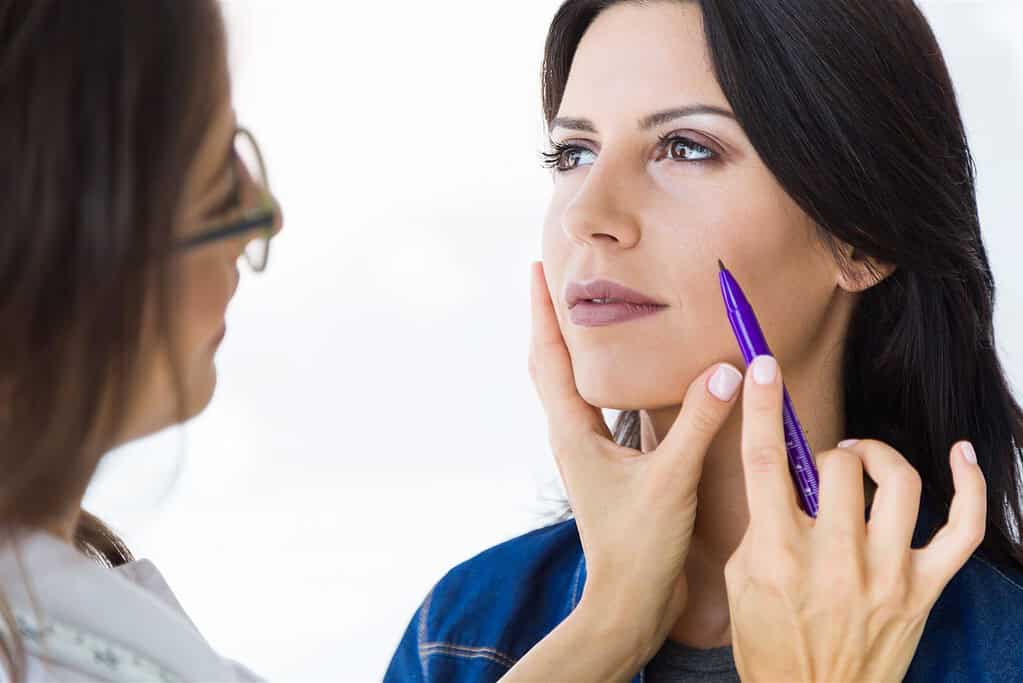
Buccal fat removal (also called buccal lipectomy or cheek reduction) is a short surgical procedure in which part of the buccal fat pad is removed to slim the lower cheeks and enhance facial contours.
The operation is performed through a small incision inside the mouth, on the inner cheek, so there are no visible scars on the face. The surgeon gently opens the tissue layers, carefully identifies the fat pad, and removes a measured amount. The incision is closed with dissolvable stitches. The procedure usually takes under an hour and is often performed under local anaesthesia with sedation, or under general anaesthesia when combined with other procedures.
Who Is a Good Candidate for Buccal Fat Removal?
The best results are seen in patients who:
- Have genuinely full lower cheeks caused by prominent buccal fat pads, rather than overall facial fat or a wide jaw muscle
- Are at or close to a stable, healthy weight
- Have good skin elasticity and a well-supported midface
- Are generally younger adults whose facial fullness has persisted despite a lean body
- Are in good health and do not smoke
- Want a subtle refinement rather than a dramatically hollow look
An experienced surgeon will examine where the fullness actually comes from. Fullness in the lower and side part of the face can come from enlarged chewing muscles (masseters), a wide jawbone, or fat under the skin, none of which are corrected by buccal fat removal.
Who Should Avoid Buccal Fat Removal?
This is the part of the conversation that is often missing online. Buccal fat removal may not be a good idea if you:
- Already have a slim or thin face – removing fat can make the cheeks look sunken
- Are in your forties or older – the face naturally loses volume with age, and removing buccal fat can accelerate a gaunt, tired appearance
- Have recently lost a lot of weight or are still losing it – your face may already be losing volume
- Have midface sagging or jowls – your concern may be better addressed with lifting rather than fat removal
- Are pregnant or breastfeeding, or are under 18
- Have chronic medical conditions or take blood-thinning medication that cannot be safely paused
The most important fact to understand is that buccal fat does not grow back. Once it is removed, it is gone. The face naturally loses fat volume over the decades, so a face that looks sculpted at 25 may look hollow at 45 if too much was removed. Plastic surgeons, including leading academic voices in the field, have warned about this risk of premature ageing when the procedure is performed on unsuitable patients or too aggressively.

The Benefits When the Patient Is Right
When carefully planned for a suitable patient, buccal fat removal can:
- Create a more defined, contoured lower face
- Enhance the appearance of the cheekbones
- Give a slimmer, more mature facial shape to a round face
- Be performed with no external scars
- Offer a relatively short recovery
The key is conservative removal. Good surgeons remove only the portion of the fat pad needed to improve contour, leaving enough volume to protect the face as it ages.
Recovery After Buccal Fat Removal
Recovery is usually straightforward, although the final result takes patience.
- First week: swelling is common and can make the face look fuller than before at first. You will follow a soft diet and careful oral hygiene, including rinsing with an antiseptic mouthwash after meals.
- Weeks 2 to 3: most visible swelling settles and many patients return to work and social activities.
- Months 3 to 6: the final contour gradually appears as residual swelling disappears.
Because the procedure is short and the incisions are inside the mouth, many international patients can return home within a few days, after the surgeon has checked healing.
Risks of Buccal Fat Removal
Buccal fat removal is generally considered a low-risk procedure in experienced hands, although a 2018 systematic review noted that most published evidence comes from small case series and that long-term outcome data are still limited. As with any surgery, there are risks. These include swelling, bruising, infection, bleeding, asymmetry, and temporary numbness. Less commonly, the nearby salivary (parotid) duct or the small branches of the facial nerve that control facial movement can be injured. A detailed knowledge of facial anatomy and a careful technique significantly reduce these risks.
The long-term risk of over-hollowing is more about decision-making than technique, which is why patient selection is so important.
Alternatives to Consider
Depending on what is really causing your facial fullness, a different or complementary procedure may achieve a better result:
- Chin and neck liposuction – for fat under the chin and along the jawline. Learn more in our article How to Get Rid of a Double Chin.
- Chin augmentation – a stronger chin can make the lower face appear slimmer and more balanced.
- Facial fat transfer – for patients whose concern is actually a lack of definition at the cheekbones, adding volume in the right place may be better than removing it. We compare fat transfer and fillers in this article.
- Non-surgical treatments – for example, muscle-relaxing injections when enlarged chewing muscles cause a wide lower face.
- Mini facelift or neck lift – for older patients whose concern is sagging rather than fullness.
How to Decide: Questions to Ask Your Surgeon
Before choosing buccal fat removal, ask:
- Is my facial fullness really caused by buccal fat?
- How much fat do you plan to remove, and why?
- How might my face look in ten or twenty years?
- Would another procedure, or no procedure, suit me better?
- Can I see before-and-after photos of patients with a similar face shape?
A trustworthy surgeon will welcome these questions, and will tell you if the procedure is not right for you. You can find more questions in our guide What to Ask Your Albanian Plastic Surgeon.
Buccal Fat Removal at American Hospital in Tirana
At American Hospital, buccal fat removal is performed by internationally trained plastic surgeons who focus on long-term facial harmony rather than short-lived trends. Each patient receives a detailed facial assessment, and when buccal fat removal is not the best option, we explain why and suggest alternatives. All procedures are carried out within a fully equipped hospital with 24/7 medical support.
To find out whether you are a good candidate, send us clear front and side photos of your face for a free online consultation.
Frequently Asked Questions
Is buccal fat removal permanent?
Yes. Buccal fat pads do not grow back once removed. This is why careful, conservative planning is essential.
Will buccal fat removal make me look older?
In a suitable, younger patient with genuinely full cheeks and conservative removal, it should not. In patients with already slim faces, or older patients who are losing facial volume, it can contribute to a hollow, aged look over time.
Are there visible scars?
No. The incision is made inside the mouth, so there are no scars on the face.
When will I see the final result?
Swelling settles over the first few weeks, but the final contour usually becomes clear after three to six months.
Can buccal fat removal be combined with other procedures?
Yes. It is often combined with chin augmentation, chin liposuction or rhinoplasty for overall facial balance. Your surgeon will advise you on which combination makes sense for your face.
This article is for general information and does not replace a personal medical consultation. Suitability for buccal fat removal can only be determined after an in-person or online assessment by a qualified plastic surgeon.