“Do breast implants need to be replaced every 10 years?” It is one of the most common questions we hear, both from women considering breast augmentation and from those who had implants placed a decade ago and are wondering whether it is time for surgery again.
The short answer is no, there is no rule that implants must be replaced at the 10-year mark. But implants are not lifetime devices either. This article explains where the “10-year rule” came from, the real reasons implants are replaced, the warning signs to watch for, and how to monitor your implants so you can make the right decision at the right time.
Where Does the “10-Year Rule” Come From?
The idea that implants expire after ten years is a misunderstanding of long-term studies. Data reviewed by the U.S. Food and Drug Administration (FDA) showed that roughly one in five women who had a primary breast augmentation needed some kind of additional surgery within ten years. That also means around 80% of women did not need further surgery in that time, and modern implants may perform even better than those studied.
In other words, ten years is not an expiry date. Many women keep the same implants comfortably for fifteen or twenty years, or longer. Others need revision sooner. What matters is the condition of your implants and how you feel about your breasts, not the calendar.
Are Breast Implants Lifetime Devices?
No. The FDA’s required labelling for breast implants states clearly that implants are not considered lifetime devices and that the chance of complications increases over time. The longer you have implants, the more likely it is that you will need or want additional surgery at some point. This is important to understand before your first augmentation, and it is something an honest surgeon will always discuss with you.
When Do Breast Implants Need to Be Replaced? The Real Reasons
Implants are replaced because of a specific problem or a change in personal goals. The most common reasons include:
1. Implant rupture
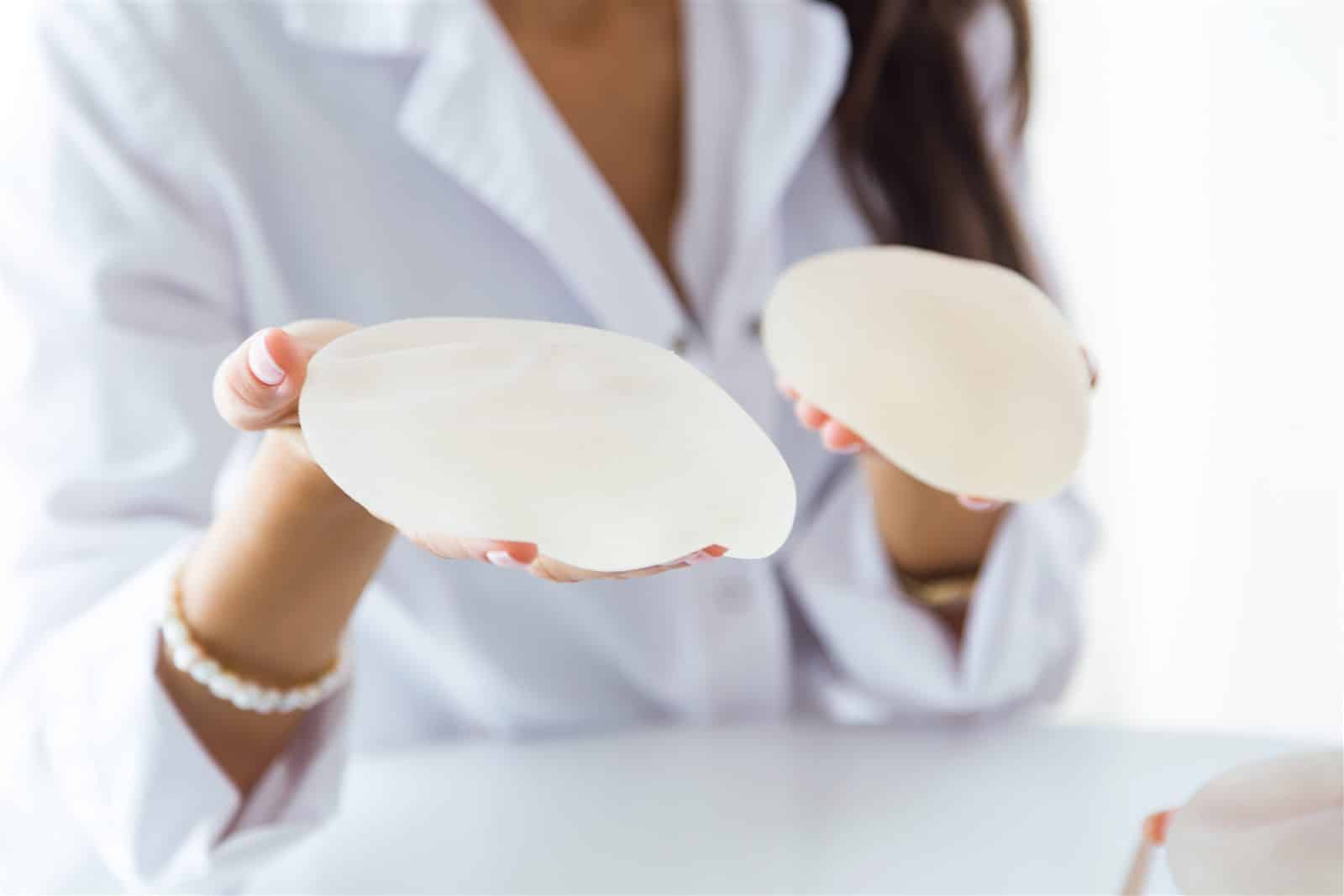
Implant shells can weaken over time. When a saline implant ruptures, the saltwater is safely absorbed by the body and the breast visibly deflates within days, so it is easy to notice. When a silicone gel implant ruptures, the cohesive gel usually stays within the scar capsule around the implant. This is called a “silent rupture” because there may be no visible change or symptoms, which is why imaging is so important.
2. Capsular contracture
Your body naturally forms a thin layer of scar tissue, called a capsule, around any implant. In some women this capsule thickens and tightens, squeezing the implant. Capsular contracture can make the breast feel firm, look rounded or distorted, sit higher on the chest, and in more advanced cases cause discomfort or pain. Treatment usually involves removing the capsule (capsulectomy) and replacing the implant.
3. Changes in breast shape over time
Implants do not stop your natural tissues from ageing. Pregnancy, breastfeeding, weight changes and gravity can cause the breast tissue to sag or the implant to drop lower than it was. Some women choose revision surgery combined with a breast lift to restore a more youthful position.
4. Implant malposition or rippling
Occasionally, implants move too far to the side, too low (sometimes called “bottoming out”), or show visible rippling under thin skin. Revision surgery can reposition the implant, change the pocket or switch to a different implant type.
5. A change in personal preference
Tastes change. Many women who chose larger implants in their twenties prefer a more moderate, proportionate size later in life. This trend is reflected in recent statistics: the ASPS 2025 report recorded continued growth in breast augmentation and implant revision, with surgeons noting a shift towards more natural-looking results. Others decide to remove their implants entirely, a choice we discuss in our article Breast Implant Removal: Is a Lift Necessary?
Warning Signs: How to Tell if Your Breast Implants Need to Be Replaced
Contact a plastic surgeon for an assessment if you notice any of the following:
- A sudden change in the size or shape of one breast
- Hardening, tightness or firmness that was not there before
- Pain, tenderness or discomfort in one or both breasts
- Swelling or a collection of fluid around the implant, especially if it appears years after surgery
- A lump in the breast or armpit
- The implant moving noticeably higher, lower or to the side
- Visible rippling or wrinkling that has increased
Late swelling or a lump should always be checked promptly. Most cases have a simple explanation, but they need proper investigation to rule out rare conditions such as breast implant-associated anaplastic large cell lymphoma (BIA-ALCL), which has been linked mainly to textured implants. Your surgeon can explain which type of implant you have and what monitoring is appropriate.
How to Monitor Your Implants
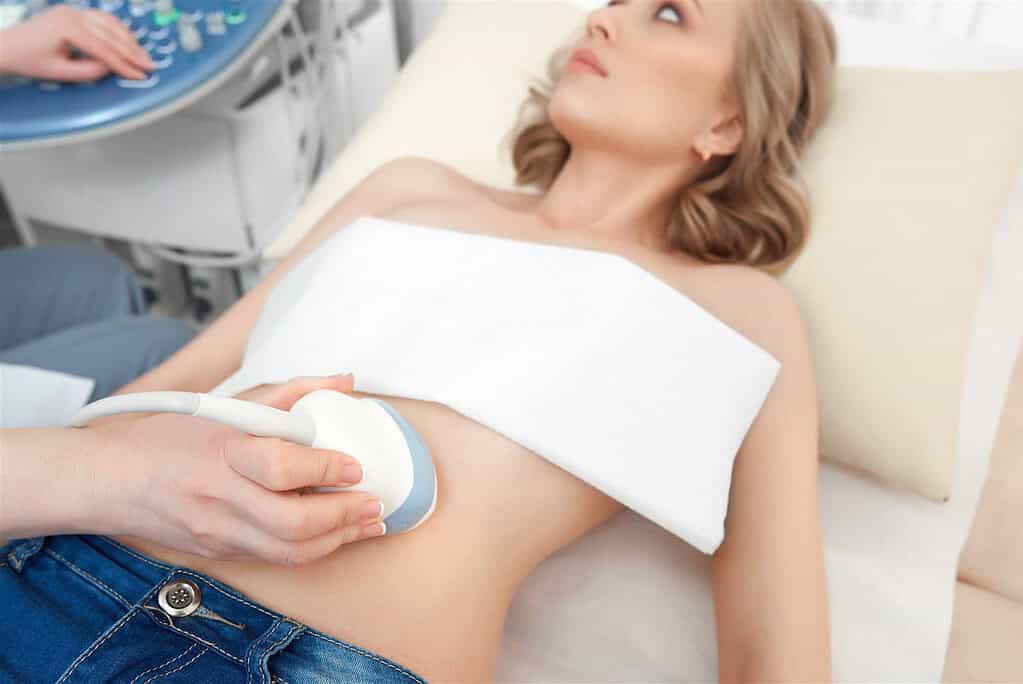
Because a silicone implant rupture can be silent, regular imaging is the best way to keep an eye on your implants. The FDA currently recommends that women with silicone gel implants have an ultrasound or MRI around five to six years after their initial surgery, and then every two to three years after that, even if they have no symptoms. If you do have symptoms or an unclear ultrasound result, an MRI is usually advised.
Alongside imaging, good habits include:
- Keeping your implant card or surgical records, so you know the brand, type, size and placement
- Doing regular breast self-examinations and attending routine breast screening for your age
- Telling the radiographer you have implants before a mammogram
- Booking a check-up with a plastic surgeon if anything changes
What Happens During Implant Replacement Surgery?
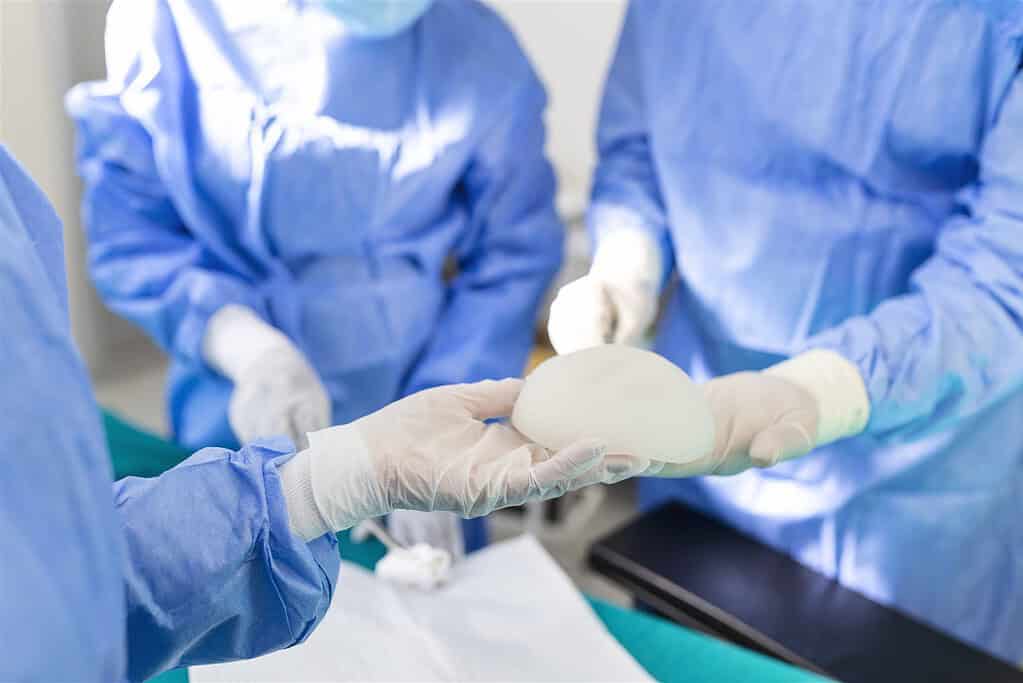
Breast implant replacement is tailored to the reason for revision. Depending on your situation, the surgeon may:
- Remove the existing implants and insert new ones of the same or a different size, shape or type
- Remove a thickened capsule (partial or total capsulectomy)
- Change the implant pocket, for example from above to below the chest muscle
- Lift the breast at the same time to correct sagging
- Use your own fat to soften the result or improve contour
Revision surgery is often more complex than a first augmentation because the surgeon is working with tissue that has already been operated on. That is why it is important to choose an experienced plastic surgeon and a facility equipped to handle more involved procedures.
Recovery After Breast Implant Replacement
Recovery is usually similar to, or slightly shorter than, the first augmentation if the implant is simply exchanged in the same pocket. If a capsulectomy, pocket change or breast lift is performed, recovery may take a little longer. As a general guide, most patients:
- Return to light daily activities within a few days
- Go back to desk work after about one week
- Wear a supportive surgical bra for several weeks
- Avoid heavy lifting and upper-body exercise for around four to six weeks
International patients typically stay in Tirana for several days after surgery so the team can check healing before they travel home.
Thinking About Breast Augmentation for the First Time?
If you are planning your first breast augmentation, knowing that implants may need attention in the future is part of making an informed decision. It does not mean your breast implants need to be replaced in exactly ten years, but it is wise to plan for monitoring and to choose a surgeon who explains implant types, placement and long-term care clearly. You can learn more in our guide to breast augmentation with implants in Albania.
Breast Implant Revision at American Hospital
At American Hospital in Tirana, breast implant replacement and revision are performed by internationally trained plastic surgeons within a full hospital environment, with advanced anaesthesia, imaging and 24/7 medical support. Every revision begins with a detailed assessment of your current implants, previous surgery and goals.
If you have had implants for some time and want to know whether your breast implants need to be replaced, send us photos and any information you have about your implants (brand, size, date of surgery) for a free online consultation.
Frequently Asked Questions
Do breast implants have an expiry date?
No. Implants do not expire on a set date. They are replaced when there is a problem, such as rupture or capsular contracture, or when the patient wants a change.
How long do breast implants usually last?
It varies widely. Many women keep their implants for 10 to 20 years or more without problems, while others need revision earlier. Regular monitoring is the best way to know the condition of your implants.
How do I know if my silicone implant has ruptured?
Silicone ruptures are often silent, with no visible changes. An ultrasound or MRI is the most reliable way to check, which is why periodic imaging is recommended.
Is replacement surgery more painful than the first augmentation?
Many patients find implant exchange less uncomfortable than their first augmentation, particularly if the implant stays in the same pocket. More complex revisions, such as a full capsulectomy, may involve a longer recovery.
Can I change the size of my implants during replacement?
Yes. Many women use revision surgery as an opportunity to go larger, smaller or switch to a different shape or type. Your surgeon will advise you on what your tissues can safely support.
This article is for general information and does not replace a personal medical consultation. If you notice changes in your breasts, contact a doctor for an examination.