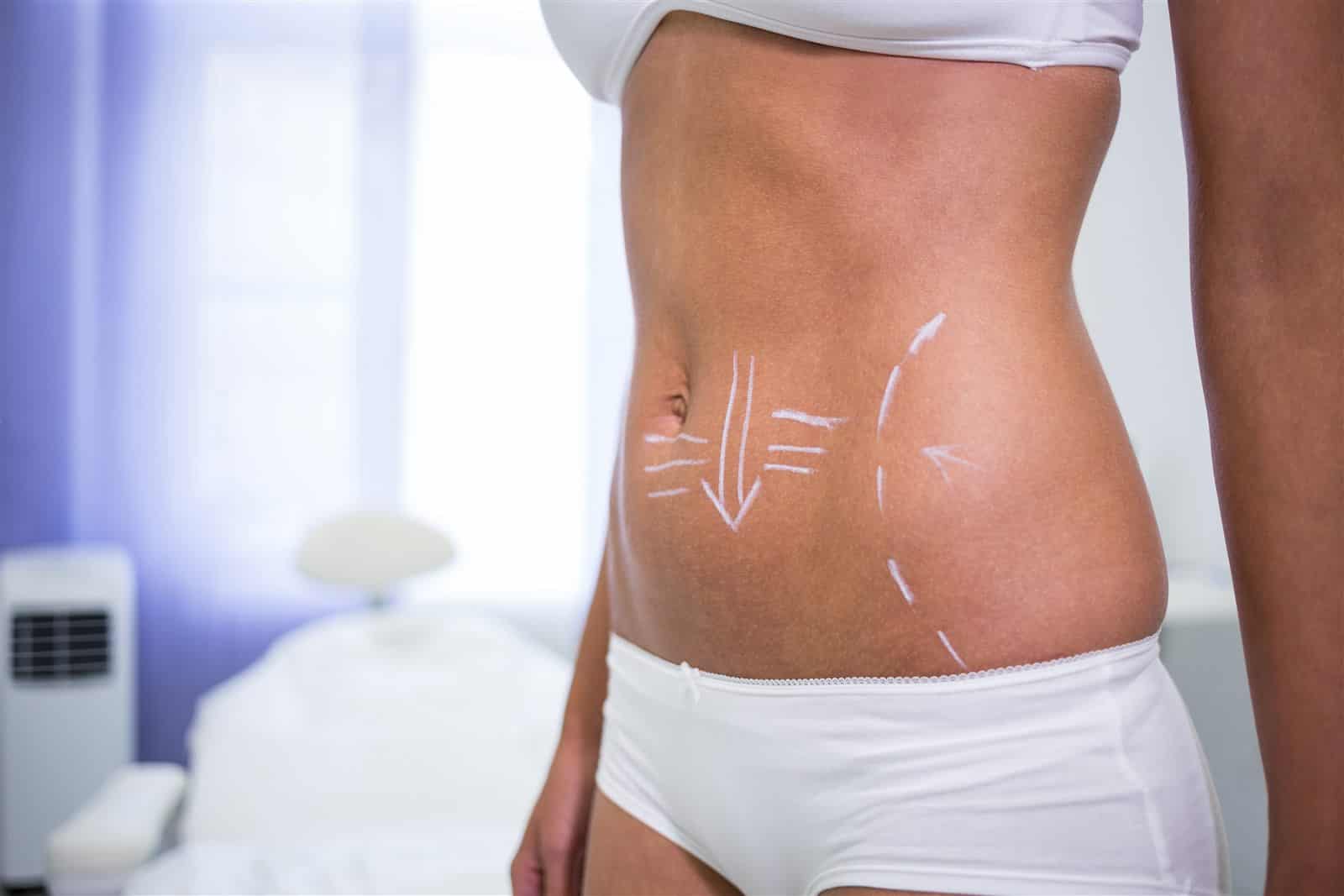
A breast lift is not always necessary after implant removal. It may be recommended when the skin is sagging, the nipples have dropped, or the tissues cannot adapt well to the smaller breast volume. The decision depends on the size of the implants, the elasticity of the skin, and the amount of natural breast tissue that remains.
Why are breast implants removed?
Some patients decide to remove their implants because they no longer want the same amount of volume or because their aesthetic preferences have changed.
In other cases, removal may be necessary because of pain, capsular contracture, a change in the position of the implant, or a suspected rupture or leak.
Capsular contracture occurs when the tissue that naturally forms around the implant thickens and tightens. This can make the breast feel firmer, change its shape, or cause discomfort.
Breast implants are not considered devices that will necessarily last a lifetime. The need for removal or another procedure varies from one patient to another and is not determined only by the number of years since the first operation.
What happens to the breasts after implants are removed?
After implant removal, the breasts lose the volume that the implants provided. The final appearance depends on the size of the implants and the amount of natural breast tissue.
The breasts may look smaller, flatter, or more sagging. In some cases, folds, hollow areas, or temporary contour changes may appear while the tissues adjust.
The FDA explains that some patients may experience sagging, indentations, or changes in contour after removal without replacement, particularly when the implants were large.
The result should not be judged immediately after surgery. Swelling and tissue changes can make the breasts look uneven during the early stage of recovery.
When is a lift not needed after implant removal?
Implant removal without a lift may be suitable when the skin has retained good elasticity and the breasts do not have significant sagging.
This may be the case when the implants are relatively small, the patient has enough natural breast tissue, and the nipples remain in an appropriate position.
Patients who are comfortable with a smaller, more natural breast appearance may also choose implant removal alone.
However, the surgeon cannot guarantee that the skin will contract completely. The result depends on skin elasticity, age, pregnancies, weight changes, and how long the implants have been in place.
When is a breast lift recommended?
A breast lift may be recommended when the skin has stretched and is not expected to adapt sufficiently after the loss of volume.
An important indicator is the position of the nipple. When it sits below the natural breast crease or points downward, implant removal alone may not correct the sagging.
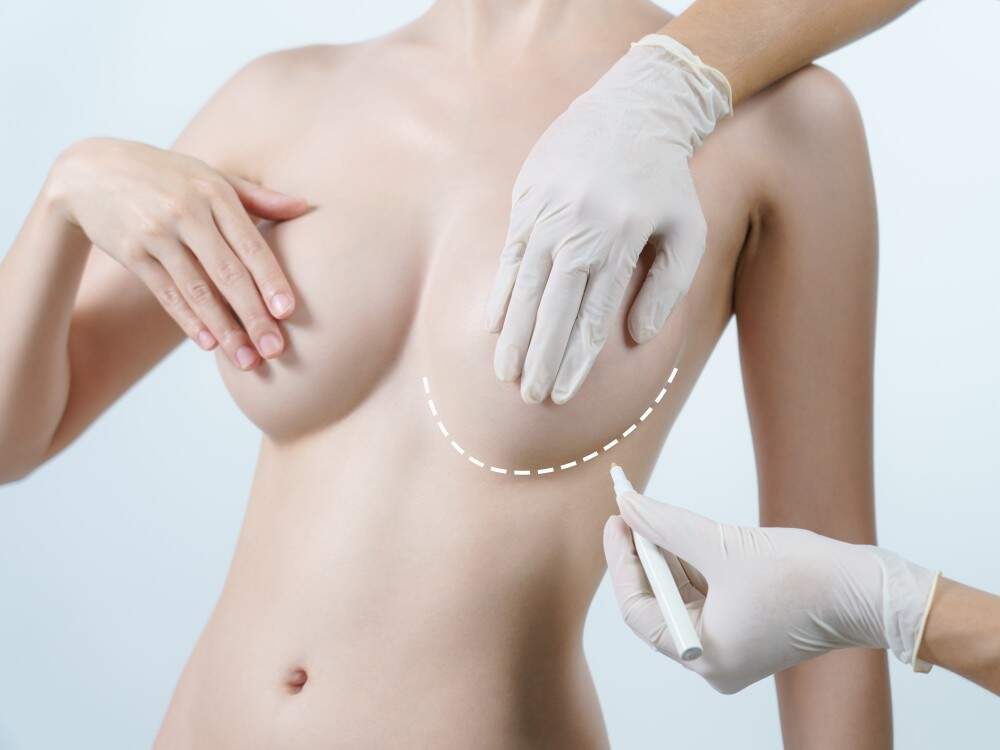
A breast lift, also known as mastopexy, removes excess skin, reshapes the breast tissue, and raises the nipple to a higher position. The procedure improves shape and position, but its primary purpose is not to add volume.
The need for a lift is more likely after large implants, pregnancy, breastfeeding, significant weight loss, or age-related changes.
Can implant removal and a breast lift be performed during the same procedure?
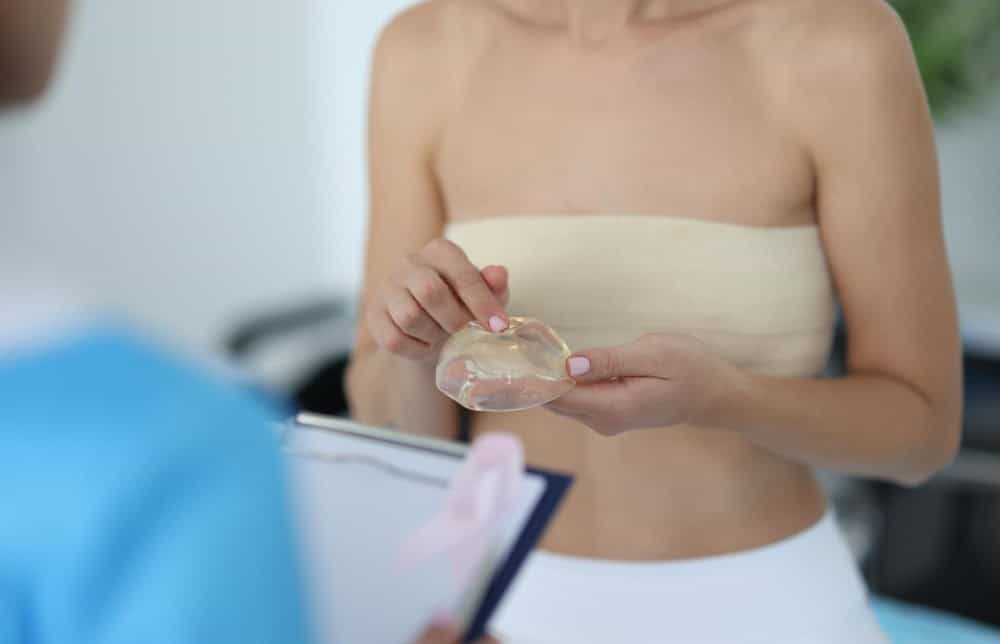
Yes. In many cases, the implants can be removed and a breast lift can be performed during the same operation.
This allows the surgeon to remove the implants, reshape the natural breast tissue, and correct excess skin in one procedure.
However, a combined procedure is not always the most appropriate option. When the tissues are very thin, there is significant deformity, or the result after removal is difficult to predict, the surgeon may recommend a two-stage approach.
With a two-stage treatment, the implants are removed first and the breasts are allowed to stabilise. A lift can then be planned later, once the surgeon has assessed how the skin and tissues have adjusted.
Does the capsule around the implant also need to be removed?
A layer of tissue, known as a capsule, naturally forms around every breast implant. This capsule does not always need to be removed completely.
The FDA explains that the surgeon may remove only the implant, remove part of the capsule, or remove it completely. The choice depends on the condition of the capsule, implant rupture, capsular contracture, and the medical reason for the procedure.
More extensive capsule removal requires greater dissection and may carry a higher risk of bleeding or injury to surrounding tissues. For this reason, it should not be performed automatically in every patient.
Persistent swelling, pain, fluid accumulation, or a sudden change around the implant should be assessed before surgery. Some rare conditions can affect the way the implant and capsule should be removed.
Removal, replacement, or breast lift?
Not every patient who removes breast implants wants to remain without them. The implants may be replaced with a different size or a newer model.
Replacement may be suitable when the patient wants to maintain volume but needs to address a problem with the existing implant or wishes to change the breast shape.
When the breasts are sagging, replacing the implant alone may not be enough. In these cases, replacement can be combined with a lift to improve both volume and position.
Fat transfer is another option for some patients. It can restore a limited amount of volume using fat taken from another area of the body, but it does not necessarily create the same volume as implants.
What scars remain after surgery?
When only the implants are removed, the surgeon may use the previous incision, which is often located in the crease beneath the breast.
A breast lift requires additional incisions to remove skin and reposition the tissues. Scars may be placed around the areola, vertically down to the breast crease, and, in cases of more significant sagging, along the crease itself.
The incision pattern depends on the amount of excess skin and the degree of lifting required. Scars are permanent, but they usually fade gradually during the healing process.
The patient must decide whether the improvement in breast shape and position justifies the additional scars.
What is recovery like?
Dressings and a surgical bra may be used after the operation to support the breasts and help control swelling.
In some cases, temporary drains are placed to remove blood or fluid that may collect in the treated area.
During recovery, patients should avoid lifting heavy objects, intense exercise, and movements that place tension on the incisions. The timeline for returning to activity depends on whether only implant removal or both removal and a lift were performed.
The surgeon provides instructions for wound care, medication, the supportive bra, and the symptoms that require contacting the medical team.
How is it decided whether you need a breast lift?
During the consultation, the surgeon assesses the size of the implants, the position of the nipples, the elasticity of the skin, and the amount of natural breast tissue.
The surgeon also needs to know the type of implant, where it was placed, and whether there have been any complications. Ultrasound, mammography, or MRI may be requested depending on the patient’s age, symptoms, and implant type.
The desired result should be discussed clearly. Some patients want smaller, natural-looking breasts, while others want to retain some volume with smaller implants or fat transfer.
The decision about a lift should not be based on photographs alone. A physical examination is needed to understand how the skin is likely to behave after the implant is removed.
Breast implant removal at American Plastic Surgery
American Plastic Surgery at American Hospital in Tirana offers breast procedures including implant removal or replacement and breast lift surgery.
During the consultation, the existing implants, capsule, skin quality, and breast position are assessed. The team then discusses whether implant removal alone, removal with a lift, or implant replacement is the most appropriate option.
The aim is to create an individual treatment plan that takes safety, anatomy, and the appearance the patient wants to achieve into account.
Frequently asked questions
Do both implants need to be removed if only one is damaged?
The decision depends on the type, age, and condition of both implants. The surgeon may recommend treating both breasts to maintain symmetry, but the plan is determined individually.
Can I have breast implants again in the future?
Yes. Implant removal does not automatically rule out a future breast augmentation. The breasts and surrounding tissues must be assessed before another procedure is planned.
Can I breastfeed after a breast lift?
The ability to breastfeed depends on the surgical technique and individual anatomy. Patients who are planning a pregnancy should discuss this with the surgeon before the operation.
Do I need breast examinations before implant removal?
The surgeon may request imaging examinations based on age, symptoms, and medical history. These tests help assess both the implant and the breast tissue before surgery.
Can the size of the areola be changed during a breast lift?
Yes. If the areola has widened, it can be reduced and repositioned during mastopexy. This is decided during procedure planning.