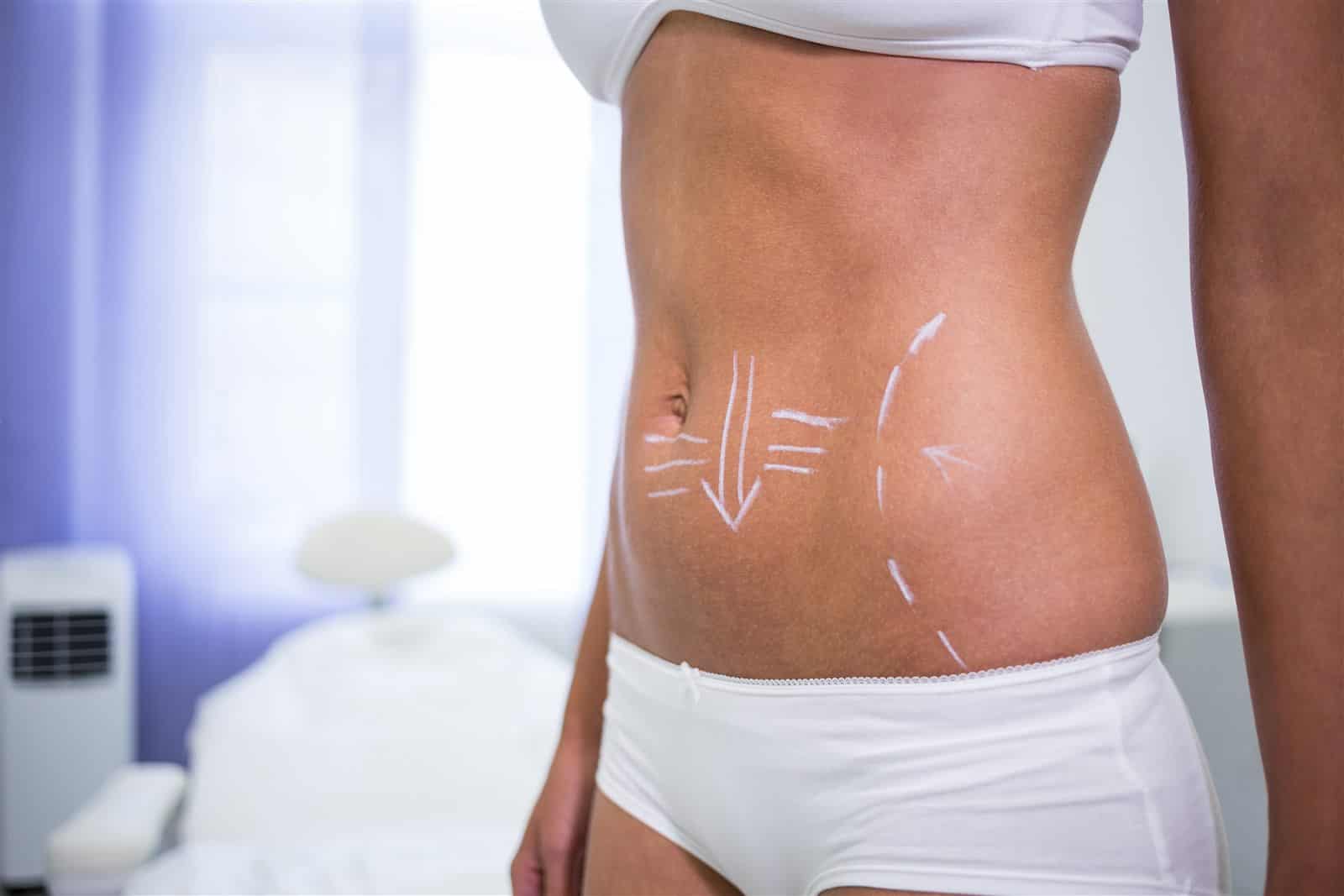
Breast reduction can create lighter, more lifted, and more proportionate breasts while relieving discomfort associated with their weight. The change in size is noticeable after surgery, while the final shape develops gradually during healing. The result is planned around your anatomy, physical needs, and preferences.
For many women, this procedure is about feeling more comfortable in everyday life: walking, exercising, and dressing without being restricted by the weight of their breasts. For others, improving shape and creating a silhouette that better complements their body proportions are also important.
If you are considering breast reduction in Albania, understanding the possible results and recovery process helps you prepare for a more useful consultation.

What changes in the appearance of the breasts?
Breast reduction, also known as reduction mammoplasty, removes some breast tissue, fat, and excess skin. The remaining tissue is then reshaped, and the position of the nipples is usually adjusted to suit the new contour. The procedure therefore involves both reducing volume and improving shape.
During the consultation, explain which changes matter most to you. You may want a noticeable reduction, a more lifted shape, or improvement in a difference between your breasts.
To make the discussion concrete, describe how you would like clothes to fit, what concerns you about your current appearance, and what you would prefer to preserve. These details help the surgeon understand your expectations beyond a particular size.
How can physical comfort improve?
Heavy breasts may be associated with back, neck, or shoulder pain, pressure from bra straps, and skin irritation beneath the breasts. They can also make physical activity more difficult. Reduction may relieve these concerns when breast size and weight are the main cause.
The benefit you seek may be very practical: walking for longer without discomfort, finding more suitable support, or feeling less restricted when moving.
However, back pain can have other causes. Tell your doctor where you feel it, how long you have had it, and what makes it worse. This information helps keep expectations for physical relief connected to your condition.
How much can breast size be reduced?
Your desired size is an important part of planning. However, a bra size does not fully describe the result because sizing varies by brand and style.
Rather than focusing only on a cup letter, explain whether you want a moderate reduction or a more pronounced change. Discuss how much volume you would like to retain as well.
The surgeon should explain what is achievable while considering your anatomy, the technique, and preservation of the tissues’ blood supply. An exact final size cannot be guaranteed.
A useful question is: “How does the proposed size relate to my body proportions and concerns?”. The answer should help you understand the reasoning behind the plan.
Are the breasts lifted during reduction?
In many cases, reduction also includes lifting the breasts. Removing excess skin, reshaping the tissues, and adjusting the nipple position contribute to the new contour.
For this reason, discuss both the front and profile views during your consultation. Ask how the breast position is expected to change and what shape may be achievable.
If you like your current size but are mainly concerned about sagging, explain this clearly. It helps the surgeon assess whether your needs relate to breast reduction or a breast lift.
What can you expect from symmetry?
Differences between the breasts are common. They may involve volume, shape, nipple position, or the structure of the chest. Surgery can improve some of these differences, but it does not guarantee perfect symmetry.
Before the procedure, ask the surgeon to identify the existing differences and explain how they will be considered in planning.
If one side concerns you more, mention this during the consultation. Explain what you notice in the mirror or in clothing. This creates a shared understanding of your starting appearance and the change you would like.
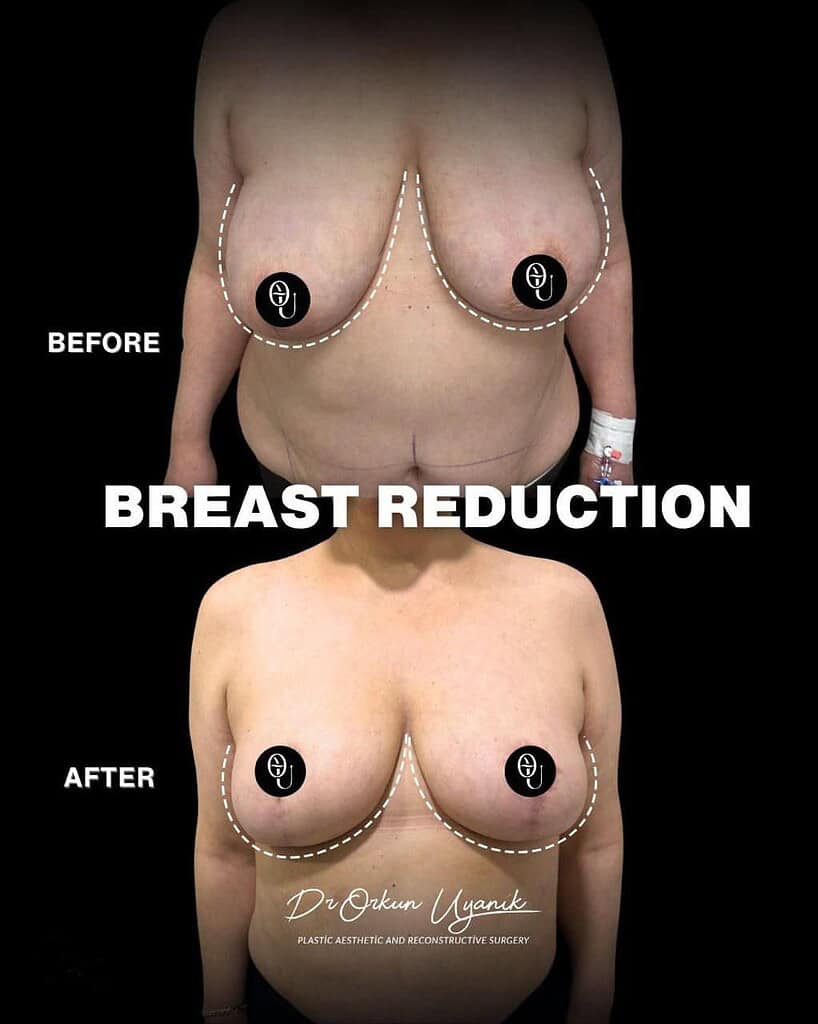
What do scars look like after surgery?
Surgical breast reduction leaves permanent scars. Depending on the technique, they may be placed around the areola, vertically below it, and, in some cases, along the fold beneath the breast. Scars may become less noticeable over time, but they do not disappear completely.
Ask the surgeon to show you the incision pattern planned for your case. If you have previously developed thick or raised scars, mention this.
Photographs from different stages of healing can help you understand their appearance. Take time to consider how you feel about the scars in relation to the changes in size, shape, and comfort. This is a personal decision that deserves an open discussion.
When does the result become clearer?
After surgery, you may experience swelling, bruising, and tenderness. The breasts need time to heal, so their appearance in the first few days should not be considered final. Recovery takes several weeks, while swelling may last longer.
Follow-up appointments assess wound healing, changes in shape, and scar development. Ask the team what to expect at each stage and when it is appropriate to evaluate the cosmetic result.
If you want to document your progress, take photographs in the same position and lighting. Avoid daily comparisons; write down your questions and discuss them at your check-up, where you can receive a fuller assessment.
How do you organise your return to everyday life?
Your breasts may feel lighter, but your body is still recovering from surgery. Initially, care is needed with strenuous activities and lifting. Your return should be gradual, according to the surgeon’s instructions.
Arrange help with housework, shopping, or childcare. If your job involves lifting, pushing, or repeated arm movements, tell the team before surgery.
Request clear instructions about returning to work, driving, and restarting exercise. A plan that fits your routine makes recovery more manageable and helps you organise commitments without rushing.
How should you assess before-and-after photographs?
Photographs of real cases are most useful when the starting appearance is similar to yours. Look at body proportions, volume, and the degree of breast sagging.
For a meaningful comparison, request photographs with similar angles, lighting, and posture. Ask how long after surgery they were taken and which procedure was performed.
Assess several elements together: size, contour, nipple position, and scars. Use the photographs to explain your preferences. For example, you might say that you like the retained volume or the shape in profile. Then ask how suitable that approach is for your anatomy.
Sensation and plans for pregnancy
Sensation in the breasts or nipples may change temporarily or permanently. Reduction can also affect the ability to breastfeed.
If you are planning a pregnancy, discuss this during the consultation. Ask how the proposed technique relates to your plans and whether the timing of surgery is appropriate.
You can also request a second consultation before deciding. This gives you time to consider the information, discuss it with people who support you, and return with more specific questions.
What should you know about safety?
Risks include bleeding, infection, delayed healing, and, less commonly, damage to the tissues or nipples. Smoking and nicotine products are important factors to discuss with the surgeon.
Before leaving the hospital, request written instructions for your care and for contacting the team. You should know which changes are expected and which require immediate assessment.
Chest pain or difficulty breathing after surgery requires urgent help.
Understanding these instructions helps you respond promptly and approach recovery with clear support.

Planning breast reduction in Albania
If you are travelling from abroad, begin with the medical assessment before making bookings. Prepare your medical history, medication list, and previous examination results. Mention any operations you have had and any family history of breast conditions.
Clarify the length of your stay, postoperative appointments, and the requirements for your return journey. Allow room for the plan to be adjusted according to your progress.
At American Hospital, breast reduction is offered in a hospital setting, with hospital care available 24/7. The consultation is an opportunity to discuss your needs, surgical plan, and follow-up care.
If the weight or size of your breasts is affecting everyday life, arrange a consultation. Explain the change you would like in your appearance and the activities you want to enjoy more comfortably, so treatment can be planned around your needs.