Tired-looking eyes are one of the most common reasons people book a consultation with a plastic surgeon. Heavy upper lids, hooding that touches the lashes, or puffy bags underneath can make you look exhausted or older than you feel, even after a full night’s sleep. Eyelid surgery in Albania, known medically as blepharoplasty, is designed to correct exactly these changes while keeping your expression natural.
This guide explains the difference between upper and lower blepharoplasty, who is a good candidate, what recovery really looks like day by day, and how to plan your trip to Tirana safely, including when it is reasonable to fly home.
What Is Eyelid Surgery (Blepharoplasty)?
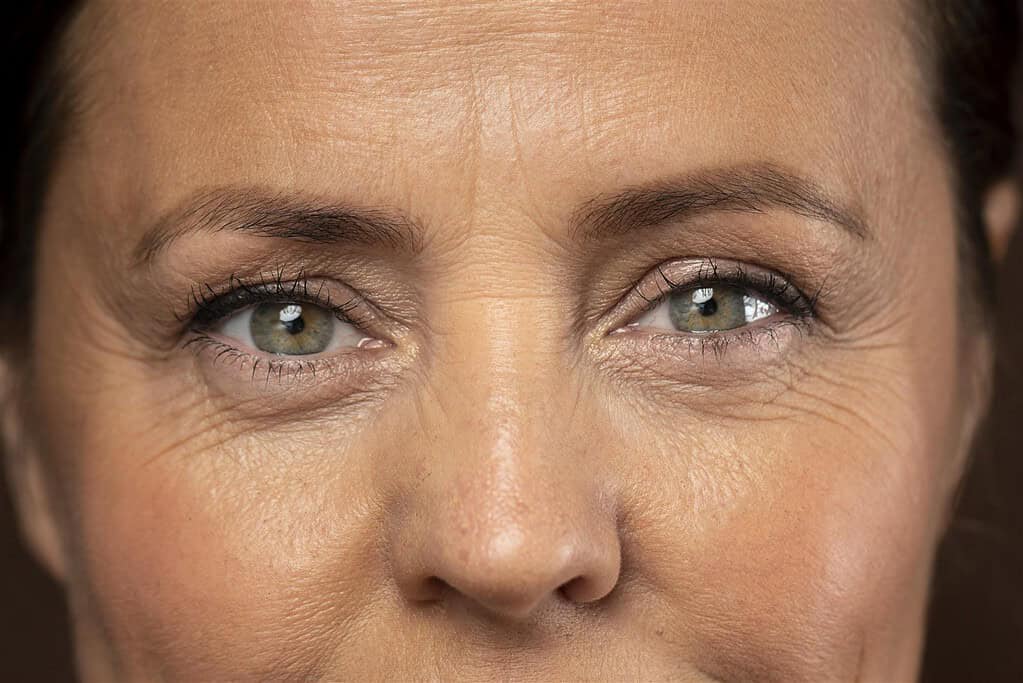
Blepharoplasty is a surgical procedure that removes or repositions excess skin, muscle and fat around the eyes. It can be performed on the upper lids, the lower lids, or both in the same session. The aim is not to change the shape of your eyes or make you look “done”, but to restore the fresher, more open look you had before ageing, genetics or sun damage took their toll.
It is also one of the fastest-growing procedures worldwide. According to the American Society of Plastic Surgeons’ 2025 statistics report, eyelid surgery climbed nearly 19% in a single year and is now among the five most performed cosmetic surgeries.
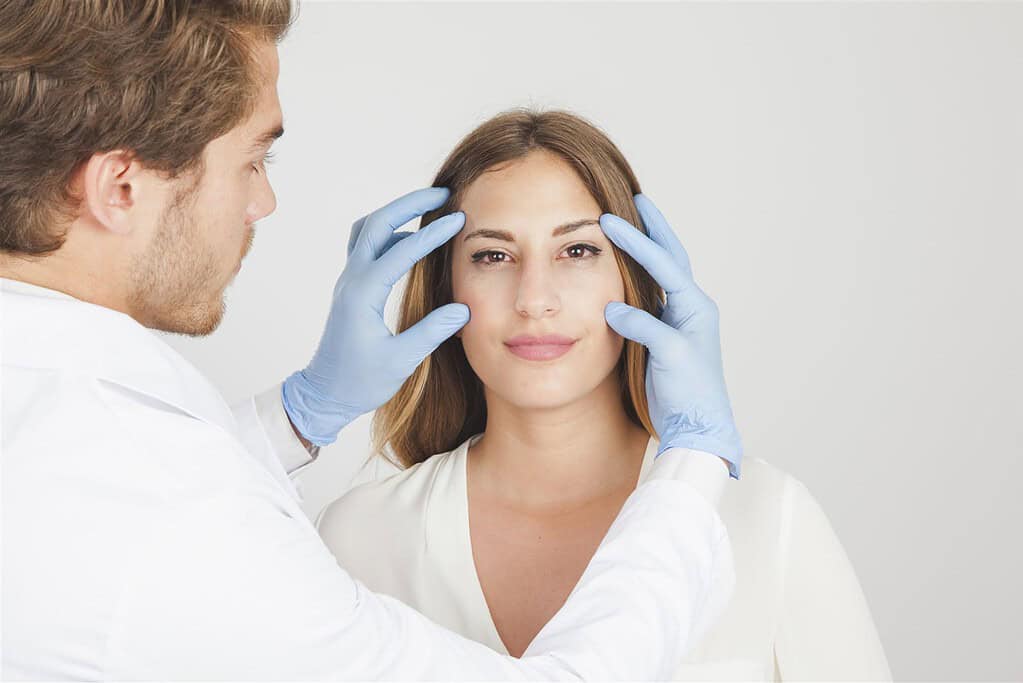
Upper vs Lower Blepharoplasty: What Is the Difference?
Although they share a name, upper and lower eyelid surgery address different problems and involve different techniques.
Upper blepharoplasty
Upper eyelid surgery treats hooded or heavy eyelids. As we age, the skin of the upper lid stretches and folds down over the natural crease. In some patients it rests on the lashes or even narrows the field of vision at the sides.
During the procedure, the surgeon removes a precise crescent of skin (and sometimes a thin strip of muscle and a small amount of fat) through an incision placed in the natural crease of the eyelid. When the eye is open, the scar is hidden in that fold and becomes very difficult to see once it matures.
Lower blepharoplasty
Lower eyelid surgery targets under-eye bags, puffiness and a hollow tear trough. These bags are usually caused by fat that has pushed forward as the supporting tissues weaken with age. Lower blepharoplasty is generally more complex than upper eyelid surgery because the lower lid has to stay well supported against the eyeball.
Depending on your anatomy, the surgeon may use:
- A transconjunctival approach – an incision on the inside of the lower lid, leaving no visible scar. This is often suitable for younger patients whose main concern is fat bulging rather than loose skin.
- A subciliary approach – an incision just below the lash line, which allows excess skin to be removed as well.
- Fat repositioning – instead of simply removing fat, it can be redistributed into the hollow of the tear trough to create a smoother transition between the lid and cheek.
Combining upper and lower eyelid surgery
Many patients have concerns above and below the eye. Treating both areas in one operation means one anaesthetic, one recovery period and a more balanced result. Your surgeon will tell you honestly whether both areas need treatment or whether one alone will achieve your goal.
Who Is a Good Candidate for Eyelid Surgery in Albania?
You may be a good candidate for blepharoplasty if you:
- Have excess upper eyelid skin that hides the natural crease or makes applying make-up difficult
- Notice hooding that makes you look tired, sad or angry when you are not
- Have persistent under-eye bags that do not improve with sleep, diet or skincare
- Are in good general health and do not smoke, or are willing to stop before and after surgery
- Have realistic expectations about what surgery can and cannot change
When eyelid surgery may not be the right choice
An honest consultation is just as much about identifying who should not have surgery. Blepharoplasty may need to be postponed or reconsidered if you have untreated dry eye syndrome, active thyroid eye disease, uncontrolled high blood pressure or diabetes, or certain eye conditions such as glaucoma. You should also tell your surgeon if you have had laser eye surgery recently.
Another important point: sometimes what looks like heavy eyelids is actually a low or drooping brow. In that case, removing eyelid skin alone can make things worse by pulling the brow even lower. A careful assessment may show that a brow lift, alone or combined with eyelid surgery, will give a better result. Similarly, a true drooping of the eyelid margin itself (ptosis) is a muscle problem that requires a different repair.
What Happens on the Day of Surgery?
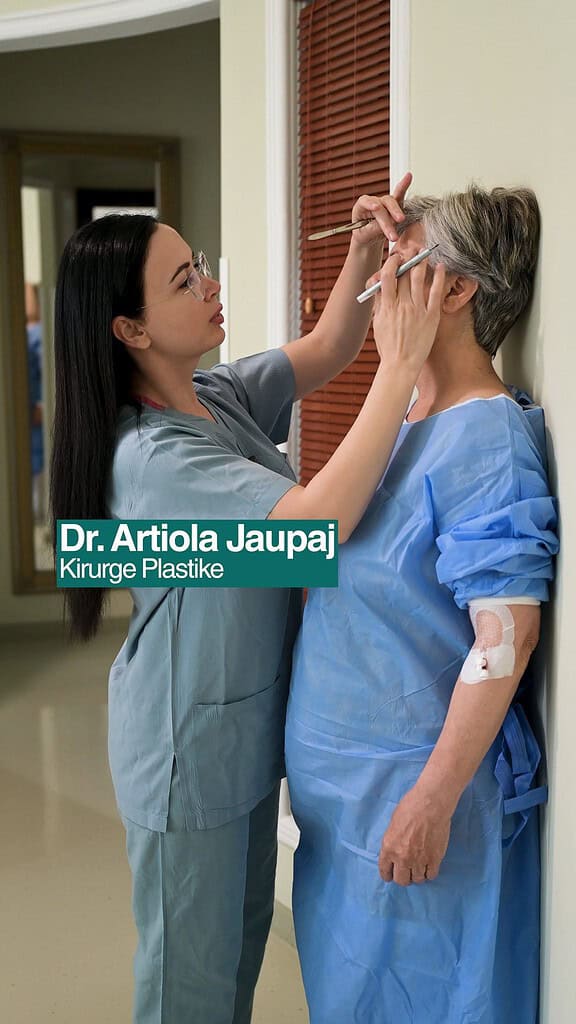
If you choose eyelid surgery in Albania at American Hospital, your journey begins with a consultation and pre-operative assessment the day before surgery. Your surgeon examines your eyelids, brow position, skin quality and eye health, and marks the incision lines with you so you understand exactly what will be done.
Blepharoplasty is usually performed under local anaesthesia with sedation, or under general anaesthesia when it is combined with other procedures. Upper eyelid surgery alone typically takes around one hour; combined upper and lower surgery takes longer. Because the operation takes place inside a full hospital rather than a standalone clinic, you have anaesthesiology teams, monitoring and specialist support from other departments, including ophthalmology, available on site.
Most patients can leave the same day or after one night of observation, depending on the extent of the procedure and their medical history.
Eyelid Surgery Recovery: A Realistic Timeline
Every patient heals at their own pace, but most recoveries follow a similar pattern.
Days 1-3
Swelling and bruising increase and usually peak around 48 to 72 hours after surgery. Your eyes may feel tight, dry or watery, and your vision can be slightly blurry because of ointment and swelling. Cold compresses, keeping your head elevated (including while sleeping) and resting your eyes make a real difference during this phase.
Days 4-7
Swelling starts to settle and bruising turns yellow or green as it fades. Non-dissolvable stitches are usually removed between day five and day seven. Many patients feel comfortable walking around Tirana with sunglasses by the end of the first week.
Weeks 2-3
Most visible bruising has gone, and many people return to desk work and social activities, often using light make-up to cover any remaining discolouration once the surgeon allows it. Strenuous exercise, swimming and heavy lifting should still be avoided.
Weeks 4-12
Residual swelling continues to resolve, especially after lower eyelid surgery, where mild morning puffiness can last several weeks. Scars are pink at first and gradually fade over six to twelve months.

How Long Should You Stay in Albania, and When Can You Fly?
This is one of the most important questions for international patients planning eyelid surgery in Albania. Air travel causes changes in cabin pressure and very dry air, which can increase swelling and discomfort in the first days after surgery.
As a general guide, most surgeons recommend staying in Albania until your stitches are removed and your surgeon has checked your healing, which usually means around seven days. Because Tirana is a short flight from Italy, Greece, Germany and much of Europe, many patients can travel home after that check-up. Longer flights, combined procedures or lower eyelid surgery may require a little more time. Your surgeon will confirm the safest date for you individually. For a broader overview, read our guide on how long you should stay in Albania after plastic surgery.
Practical tips for the flight home:
- Carry lubricating eye drops and any prescribed ointment in your hand luggage
- Wear sunglasses and direct the overhead air vent away from your face
- Drink plenty of water and limit alcohol and caffeine
- Ask for help lifting luggage into the overhead locker
What Results Can You Expect?
Results from upper blepharoplasty are typically long-lasting; many patients enjoy them for ten years or more. Lower eyelid surgery results are often considered very durable, because fat that is removed or repositioned does not usually return in the same way. However, surgery does not stop the natural ageing process. Your skin will continue to age, and lifestyle factors such as sun exposure and smoking influence how long your result lasts.
The best results look like a rested version of you. Friends may say you look well, refreshed or less tired without being able to pinpoint why. That subtle change is exactly what a good surgeon aims for.
Possible Risks and How They Are Minimised
Blepharoplasty is considered a safe procedure when performed by an experienced plastic surgeon, but like any operation it carries risks. These include temporary dry eyes, difficulty closing the eyes fully for a short period, asymmetry, visible scarring, and, rarely, bleeding behind the eye or a change in the position of the lower lid.
Risks are minimised through careful patient selection, conservative removal of skin, meticulous surgical technique and close follow-up. This is one reason it matters where your surgery takes place: in a hospital setting, any unexpected issue can be assessed and treated immediately by the right specialist. You can read more about our approach in our article Is Plastic Surgery in Albania Safe?
Can Eyelid Surgery Be Combined with Other Procedures?
Yes. Blepharoplasty is often combined with a brow lift, a facelift or facial fat transfer for more complete facial rejuvenation. Combining procedures can be efficient for international patients, but it also means a longer operation and a longer recovery, so the decision should always be guided by safety first.
Eyelid Surgery at American Hospital in Tirana
Our Plastic Surgery Department operates within American Hospital, one of the leading private hospitals in the region, established in 2006. Every eyelid surgery is planned individually by internationally trained surgeons and performed in fully equipped operating rooms with 24/7 medical support. Our team communicates in English, Italian, Greek, German and Albanian, and our coordinators help with airport transfers, accommodation and follow-up so you can focus on healing.
If you are considering blepharoplasty, the first step is simple: send us clear photos of your eyes (looking straight ahead, with eyes open and closed) for a free online consultation, and our surgeons will tell you which approach suits you.
Frequently Asked Questions About Eyelid Surgery in Albania
Is eyelid surgery painful?
Most patients describe discomfort rather than pain. The eyes may feel tight, dry or gritty for a few days, and this is usually well controlled with simple pain relief, cold compresses and eye drops.
Will people see my scars?
Upper eyelid scars are placed in the natural crease and are hidden when the eyes are open. Lower eyelid surgery can sometimes be done from inside the eyelid with no visible scar, or with a fine incision just beneath the lashes that fades well over time.
How soon can I wear make-up or contact lenses?
Eye make-up is usually allowed after around two weeks, once incisions have healed. Contact lenses are often avoided for about two weeks as well. Your surgeon will give you personalised advice at your follow-up.
Does blepharoplasty remove wrinkles and crow’s feet?
No. Eyelid surgery addresses excess skin and fat, but it does not remove fine lines at the corners of the eyes. These are usually better treated with non-surgical options.
At what age can I have eyelid surgery?
There is no ideal age. Some patients have inherited hooding or under-eye bags in their thirties, while others seek treatment in their fifties or sixties. Candidacy depends on your anatomy and health, not your birth date.
This article is for general information and does not replace a personal medical consultation. Suitability, technique and recovery time can only be confirmed after an examination by a qualified plastic surgeon.