As we age, the face does not simply wrinkle, it deflates. The youthful fullness in the cheeks and around the eyes gradually diminishes, hollows appear, and the face can start to look tired or gaunt. Restoring that lost volume is one of the most effective ways to look refreshed, and two approaches dominate the conversation: facial fat transfer and dermal fillers.
Both add volume, but they work in completely different ways, and they suit different goals, timelines and budgets. Fillers are a quick, non-surgical option; fat transfer is a surgical procedure using your own tissue for a longer-lasting result. Understanding the trade-offs helps you choose the right path rather than being swayed by whichever you happened to hear about first.

What Dermal Fillers Do
Dermal fillers are injectable gels, most commonly based on hyaluronic acid, a substance that occurs naturally in the skin. Injected beneath the surface, they add volume, smooth folds and restore contour, all without surgery. A treatment takes minutes, requires little to no downtime, and delivers results almost immediately.
Their biggest advantages are convenience and reversibility. There is no operation, no anesthesia and no recovery period to speak of. Many hyaluronic-acid fillers can even be dissolved if you are unhappy, which makes them a low-commitment way to try added volume. This is why fillers are so popular as a first step or for those who want a subtle, temporary change.
The limitation is longevity. Fillers are gradually absorbed by the body, typically lasting from several months to around a year or two depending on the product and area, after which the treatment must be repeated to maintain the effect. Over time, the cost of repeated sessions adds up.
What Facial Fat Transfer Does
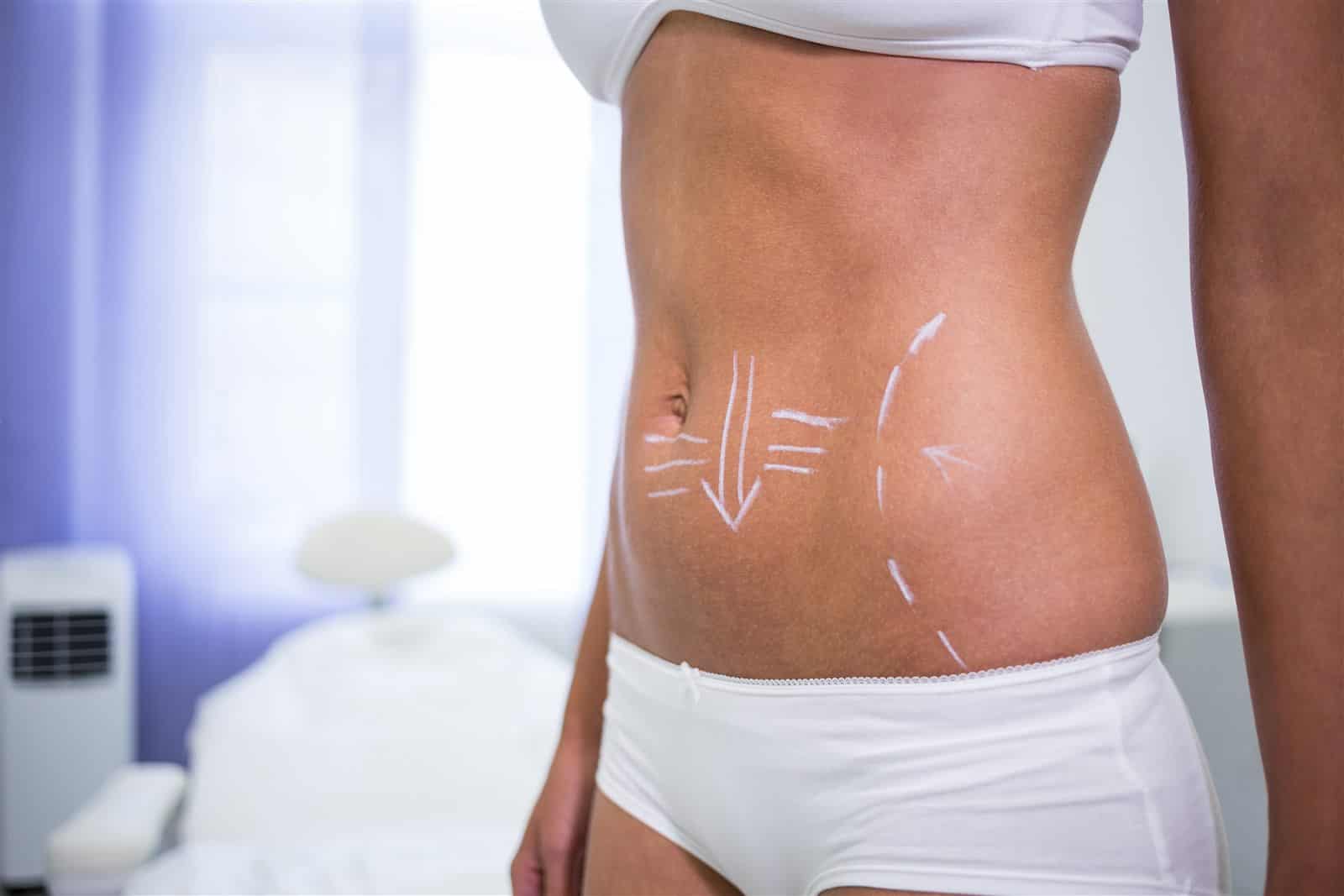
Fat transfer to the face takes a different approach entirely. Fat is harvested from an area where it is unwanted, such as the abdomen or thighs, using gentle liposuction, purified, and then carefully injected into the areas of the face that have lost volume, such as the cheeks, temples and under-eye hollows.
Because it uses your own living tissue, the result feels entirely natural and integrates with your face. A portion of the transferred fat establishes its own blood supply and becomes a permanent part of the area, which is why fat transfer is considered a long-lasting, even semi-permanent, solution. It also has the bonus of slimming the donor area slightly.
The trade-offs are that it is a surgical procedure requiring anesthesia and a recovery period, and that the body reabsorbs some of the transferred fat in the first months, so the final result settles over time and surgeons slightly over-fill to account for this. It is a bigger commitment than fillers, but a more lasting one. Fat can also be transferred to the body or breasts using the same principle.

Comparing the Two
Longevity. Fillers last months to a year or two before needing repeating. Fat transfer that survives is long-lasting, often permanent, making it the more durable choice.
Invasiveness. Fillers are non-surgical with virtually no downtime. Fat transfer is a surgical procedure with anesthesia and a recovery period.
Naturalness. Both can look natural in skilled hands. Fat transfer uses your own tissue, so it feels completely natural; fillers are excellent for precise, controlled adjustments.
Reversibility. Many fillers can be dissolved if you change your mind. Fat transfer is not reversible in the same way, so it is a bigger decision.
Predictability. Fillers give an immediate, controllable result. Fat transfer depends partly on how much fat survives, which varies between patients.
Cost over time. Fillers have a lower upfront cost but require ongoing sessions. Fat transfer has a higher initial cost but does not need regular top-ups.
Which One Is Right for You?
Fillers tend to suit those who want a quick, non-surgical refresh, who are trying added volume for the first time, who want something adjustable, or who prefer to avoid surgery and downtime. They are ideal for targeted concerns and for people who like the flexibility of a reversible, maintainable treatment.
Facial fat transfer tends to suit those who want a longer-lasting result, who need to restore volume across several areas of the face, who like the idea of using their own tissue, and who are willing to undergo a surgical procedure to avoid repeat treatments. It is often chosen by patients seeking a more comprehensive, one-time rejuvenation.
Some patients combine approaches over time, using fat transfer for foundational volume and fillers for fine adjustments. And because volume loss is only one part of facial ageing, a surgeon may also discuss whether skin laxity would be better addressed by a procedure such as a facelift, since adding volume alone does not lift sagging tissue.
Which Areas of the Face Can Be Treated?
Both fat transfer and fillers can address a range of facial areas, and understanding where each excels helps clarify the choice. The cheeks are one of the most commonly treated areas, since restoring cheek volume lifts and refreshes the whole midface. The temples, which can hollow with age, and the under-eye area, where hollowing creates a tired look, also respond well to added volume. Fillers are particularly precise for defined areas such as the lips, nasolabial folds and fine contouring, while fat transfer is especially effective for restoring broad, natural volume across multiple regions in a single procedure.
The face is a connected structure, so treating one area often improves the appearance of others. Restoring cheek volume, for example, can soften the folds running from the nose to the mouth without treating them directly. A skilled practitioner assesses the face as a whole rather than chasing individual lines, which is what produces a refreshed, natural result rather than an overfilled one. This holistic view is one reason a proper consultation matters more than deciding on a single product or technique in advance.

Recovery and What to Expect
With fillers, you can usually return to normal activities immediately, though minor swelling or bruising at injection sites can occur for a few days.
With facial fat transfer, there is swelling and some bruising both at the donor site and in the face, which settles over the following weeks. Most patients feel presentable within one to two weeks, with the final result emerging over a few months as the surviving fat stabilises. Our guide on choosing timing, such as planning surgery before summer, can help you plan around events.
Why the Setting Matters
Facial fat transfer, as a surgical procedure, benefits from being performed in a proper medical environment. At American Hospital, the plastic surgery department operates within a full hospital with advanced anesthesia and 24/7 support, and international patients are guided through the whole process by the medical tourism team, from online consultation to aftercare.
Final Thoughts
The choice between facial fat transfer and dermal fillers comes down to what you value most. If you want a quick, adjustable, non-surgical refresh, fillers are an excellent option. If you want a natural, long-lasting result using your own tissue and are willing to undergo a minor surgical procedure, fat transfer is hard to beat. Neither is universally better, they simply answer different needs.
As always, the best way to decide is a consultation, where a surgeon can assess your face, discuss your goals and recommend whether fillers, fat transfer, or a combination will serve you best.

Frequently Asked Questions
Does facial fat transfer last longer than fillers?
Generally yes. Fat that survives the transfer can be permanent, while fillers are gradually absorbed and typically need repeating every several months to a couple of years.
Is fat transfer to the face safe?
When performed by a qualified surgeon in a proper medical facility, facial fat transfer is a well-established procedure. A consultation and assessment determine whether it is right for you.
Will all the transferred fat stay?
No. The body reabsorbs a portion of the transferred fat in the first months, so surgeons slightly over-fill to account for this, and the final result settles over time.
Are fillers reversible?
Many hyaluronic-acid fillers can be dissolved if you are unhappy with the result, which makes them a lower-commitment option than fat transfer.
Can I have both?
Yes. Some patients use fat transfer for foundational volume and fillers for fine-tuning. A surgeon can advise on the best combination for your goals.