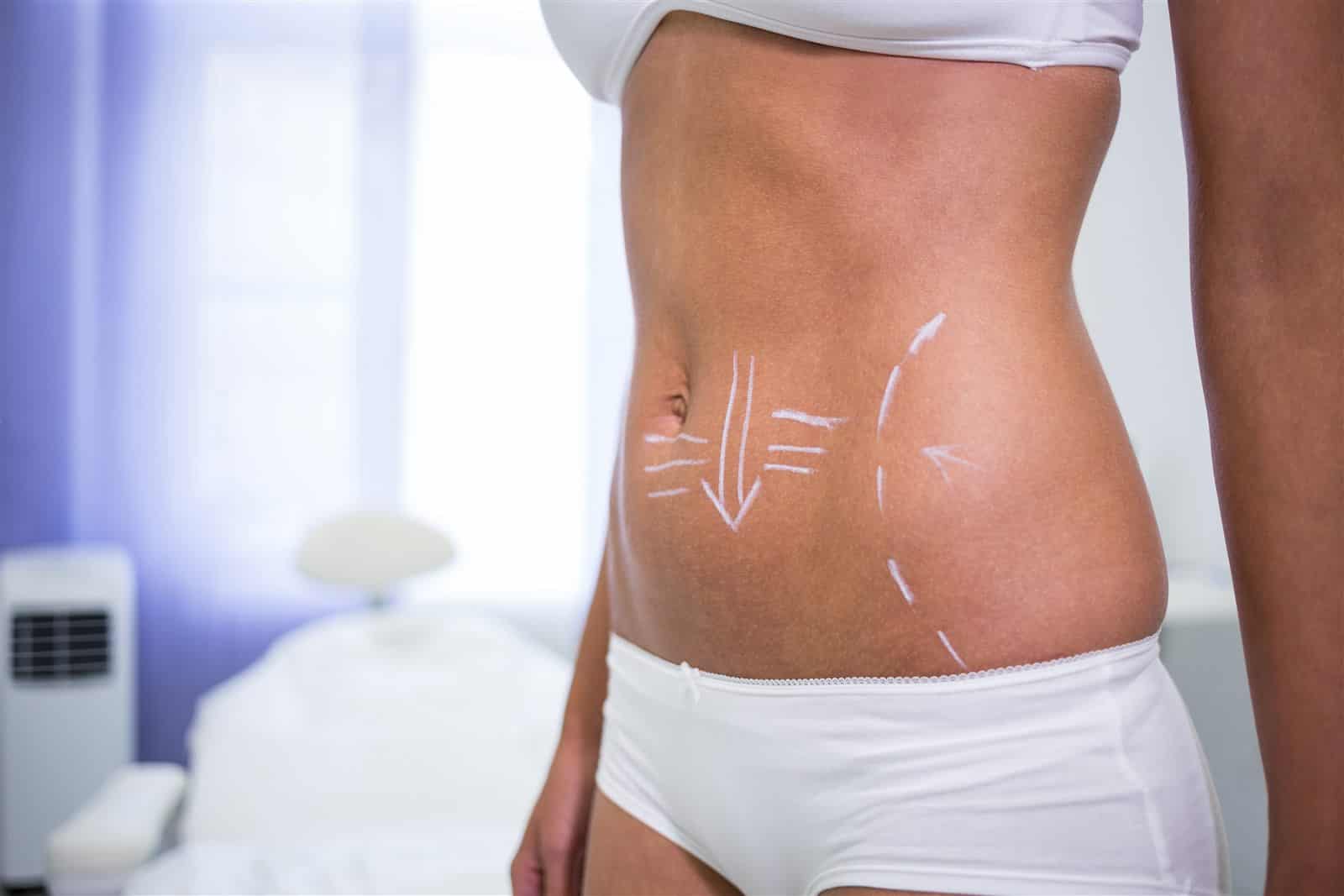
Gynecomastia surgery can reduce male breast volume and create a flatter chest contour that is more proportionate to your body. The result depends on the amount of glandular tissue, fat, skin elasticity, and the technique used. You may notice a change early on, while the appearance becomes clearer over the months of healing.
For some men, breast enlargement affects clothing choices, comfort during physical activity, or confidence about going to the beach. You may have tried exercise and weight loss, yet the area around your nipples still looks prominent.
If you are considering gynecomastia treatment in Albania, the first step is to understand the cause of the enlargement and the changes that may be achievable. At American Hospital, the consultation includes a chest assessment, a review of your medical history, and discussion of an individual treatment plan.

What is gynecomastia?
Gynecomastia is the enlargement of glandular breast tissue in men. It can affect one or both sides and is sometimes accompanied by tenderness.
The chest can also appear enlarged because of excess fat, a condition called pseudogynecomastia. In some cases, both are present. Distinguishing between them matters because it influences the choice of treatment.
Gynecomastia may be associated with hormonal changes, certain medications, or health conditions. For this reason, the cause should be assessed before surgery is planned. If there is a treatable underlying cause, addressing it may be part of the solution.
The consultation helps you understand whether surgery is appropriate and what preparation is needed.
Why does exercise not always resolve the problem?
Physical activity and weight management can change body composition and the amount of fat in the chest. However, enlarged glandular tissue may remain even when your weight is stable.
This can explain why someone with well-developed muscles still has prominence around the areola, the pigmented area surrounding the nipple.
Do not diagnose yourself based only on appearance or touch. An examination helps distinguish the components of the enlargement and assess the skin.
If you still want to lose weight, discuss the timing of surgery. A suitable plan should also consider changes that may occur in your body over the coming months.
What result does gynecomastia surgery aim to achieve?
The goal is to reduce excess tissue and create a contour that fits your chest. The desired change may include less prominence around the areola, reduced volume, or improvement in differences between the two sides.
Surgery does not create pectoral muscles. It changes the tissues covering the chest, while muscular definition depends on your anatomy and physical activity.
During the consultation, explain what concerns you most: your appearance under a T-shirt, the side profile, the nipple area, or the overall volume.
At American Hospital, treatment may involve removing glandular tissue, fat, or both, depending on the assessment.
A specific goal makes it easier to discuss the result.
How is the surgical technique chosen?
The technique is determined by the tissue composition and the condition of the skin. Liposuction may be used for excess fat, while glandular tissue may require surgical removal. In some cases, these approaches are combined.
When there is substantial excess skin, additional treatment may be needed to accommodate the reduced volume. This can affect the extent of the incisions and scars.
Ask why a particular technique is recommended and which concern each step addresses.
The plan should also explain what may remain after surgery. For example, limited skin elasticity can affect how the skin adapts during healing.
Will the chest become completely symmetrical?
Surgery can improve differences between the two sides, but perfect symmetry cannot be promised. The shape of the chest, the muscles, and the initial nipple positions may have natural differences.
If one side is larger, the surgeon assesses how to tailor the treatment. The amount of tissue removed may therefore differ between sides.
During the consultation, ask which differences are related to gynecomastia and which are part of your underlying anatomy.
Postoperative swelling may also be uneven. If you notice changes that concern you, discuss them during a follow-up appointment so the team can assess whether they are part of recovery or require further attention.
When do results become visible?
The reduction in volume may be noticeable early on, but swelling and bruising affect the appearance of the chest. The initial result is not the final outcome.
Over the following weeks, the area changes as the tissues heal. A fuller assessment is often made after around 3–6 months, although individual timing can vary.
Ask your surgeon about the stages expected in your case. Photographs taken during follow-up appointments can help document progress.
Avoid drawing conclusions from daily comparisons. If you develop a new concern, seek an assessment; for the overall appearance, follow the recommended review schedule.

What happens to the skin and scars?
How the skin adapts to the new contour depends on its elasticity, the amount of volume removed, and previous weight changes.
When glandular tissue is removed, the incision may be placed near the edge of the areola. Liposuction uses small incisions, while removing excess skin may require more extensive scars.
The incision locations should be explained before surgery. Scars remain, although their appearance changes as they mature.
Tell the surgeon if you have a history of thick or raised scars. Follow wound care instructions and do not begin massage, silicone products, or other treatments without advice from the team.
How might your appearance under clothing change?
One change patients often seek is a flatter profile under a T-shirt or shirt. Reducing prominence in the breast area can change how clothing sits over the chest.
This may help you feel more comfortable when choosing clothes or taking part in activities where your chest is visible. However, the emotional experience is individual.
Before treatment, think about the situations that concern you in everyday life. These examples help the surgeon understand your goals beyond a photograph.
Give yourself time to adjust to your new appearance too. Changes in contour and physical recovery develop gradually.
How should you assess a before-and-after photograph?
Photographs can support a discussion about results when they show comparable cases and provide enough information.
Look at the chest from the front and in profile. Assess the area around the areola, the contour, and how it fits the chest. Ask how long it has been since surgery and whether skin was also removed.
Camera angles, lighting, and arm position can influence perception. A comparison under similar conditions is easier to interpret.
The photograph shows that individual patient’s result. Use it to explain what you like, while your own recommendation should be based on an examination and the condition of your tissues.
Can gynecomastia return?
Surgery can provide a long-term improvement, but its durability also depends on the original cause and future changes in your body.
Weight gain can increase chest fat. Hormonal factors, certain medications, or anabolic steroid use may also affect the breast area.
Provide complete information about every product you use. Do not stop a prescribed medication yourself; discuss it with your doctor.
Ask which factors should be addressed or monitored before and after surgery. If new enlargement develops later, seek an assessment to understand the cause.
Returning to the gym and everyday activities
If you exercise regularly, discuss your return-to-training plan before surgery. Walking, office work, and chest exercises place different demands on the body.
Weightlifting and exercises that strain the chest should only be resumed according to your instructions. Feeling well does not mean the tissues are ready for full exertion.
If a compression garment is recommended, ask about its size, wearing schedule, and how long it should be used.
Arrange help with shopping, luggage, or physical tasks. If you are travelling from abroad, organise transport and your return home around your recovery needs.
What should be assessed before making a decision?
New enlargement, a hard lump, nipple discharge, or skin changes require medical assessment. Do not automatically assume they are gynecomastia.
During the consultation, describe when the problem began, whether it has changed, and whether it is accompanied by pain. Bring any examination results you have.
Surgery also carries risks, including bleeding, infection, contour irregularities, and changes in sensation. Ask for an explanation relevant to your case and instructions on which signs should be reported after surgery.
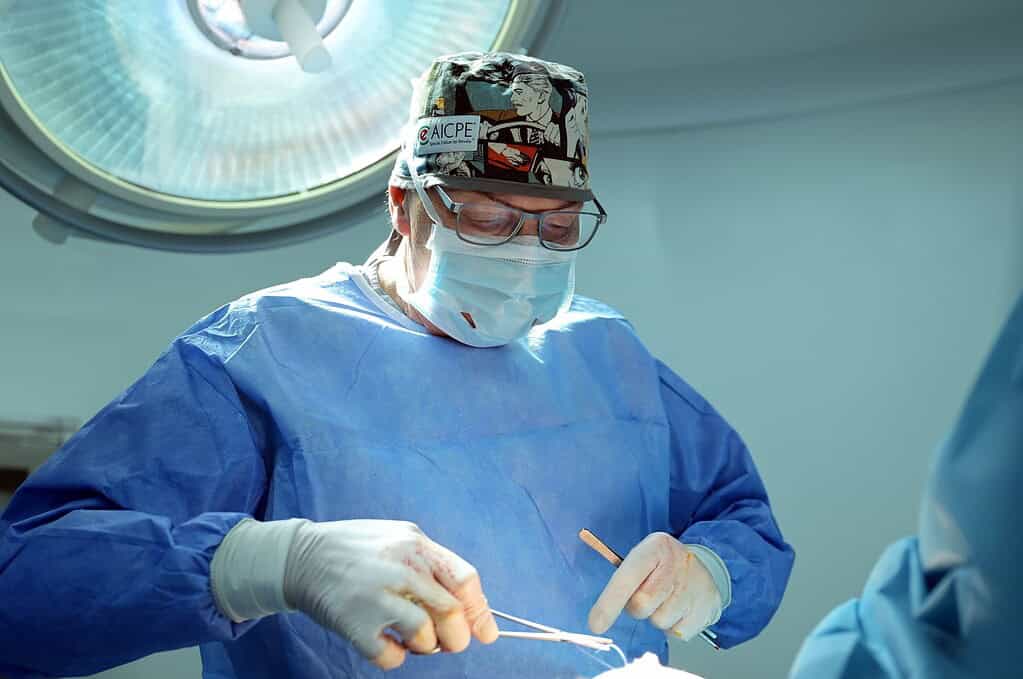
Treatment at American Hospital
At American Hospital, gynecomastia treatment includes the consultation, surgical planning, and postoperative care. Hospital support available 24/7 complements care during your stay.
Before travelling, clarify the recommended length of stay in Albania, follow-up appointments, and how to contact the team after returning home. Your surgeon’s availability is confirmed according to your individual plan.
Contact American Hospital for a gynecomastia consultation in Albania. Discuss your concerns and the result you would like so you can understand the treatment options and organise surgery with clear expectations.