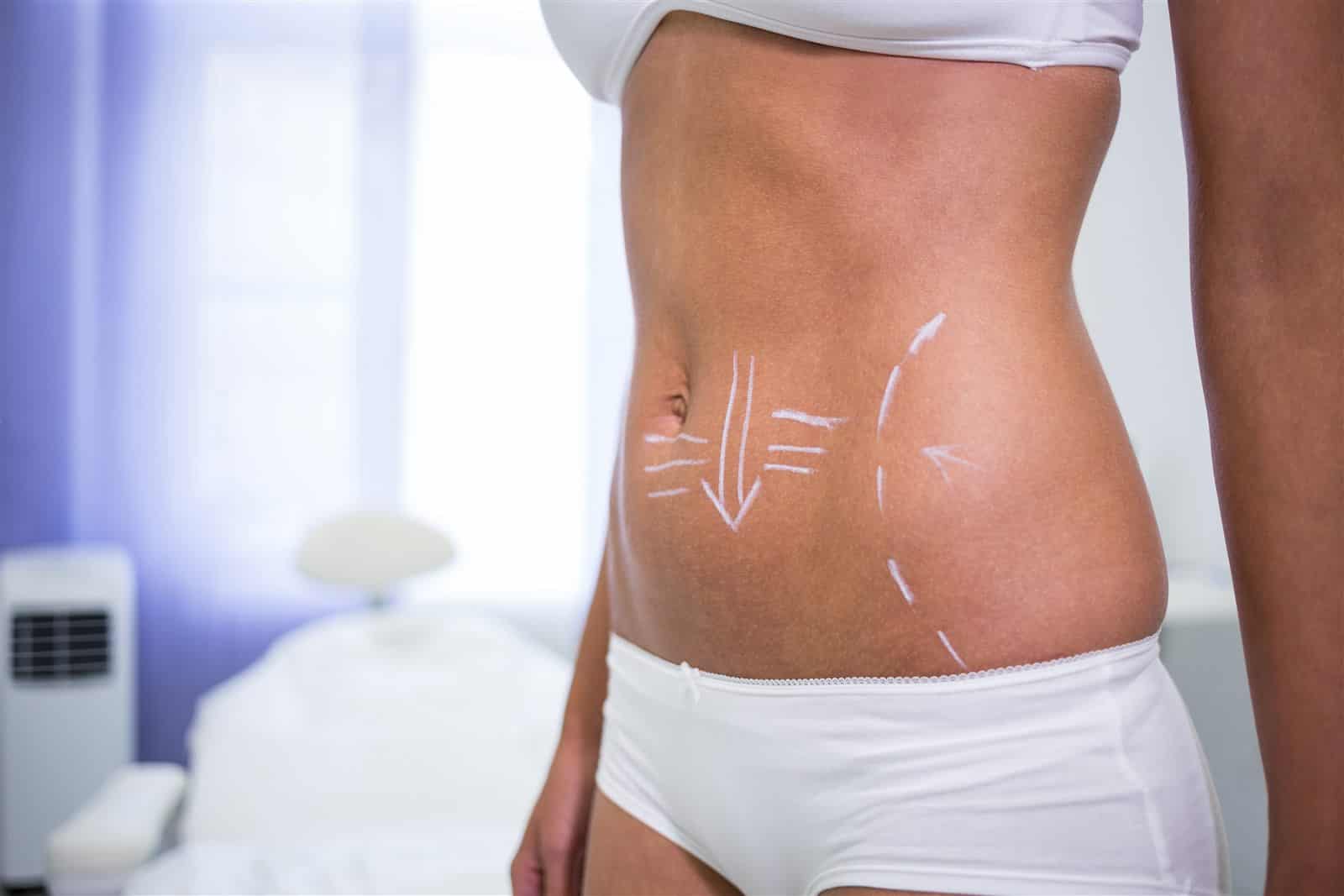
A neck lift combined with fat grafting to the chin can improve loose neck skin and add volume to the chin, creating a more balanced profile. The combination is suitable for selected patients when both areas need treatment. The result depends on your anatomy, skin elasticity, and how much transferred fat remains after healing.
When looking at your profile in photographs, you may notice that the contour beneath your jawline has softened or that your chin appears less defined than you would like. Sometimes, these two features work together to influence the appearance of the lower face.
An assessment of the neck and chin helps identify what creates this appearance and which changes are possible. At American Hospital, a plastic surgery consultation in Albania is an opportunity to discuss an individual plan, including whether this combination meets your needs.

Why are the neck and chin assessed together?
Your profile is shaped by the relationship between your lips, chin, jawline, and neck. Changes in one area influence how the surrounding areas are perceived.
A chin with limited forward projection can make the transition to the neck appear less defined. Loose skin or fullness beneath the jawline, meanwhile, can conceal the existing contour.
During the consultation, the surgeon assesses whether your concern relates to skin, fat, neck muscles, the chin’s soft tissues, or the underlying bone structure.
This helps determine what needs treatment. In some cases, one procedure is sufficient; in others, a combined approach may make sense.
What does a neck lift improve?
A neck lift aims to improve excess skin and tissue changes that affect the contour. Depending on the case, it may include treatment of the platysma muscle and management of fat in specific areas.
The procedure may help improve:
- Sagging skin beneath the jawline.
- Visible vertical bands in the neck.
- The transition between the jawline and neck.
- The contour of the lower face.
The extent of treatment is determined through examination. At American Hospital, neck lift planning includes treatment of the skin and relevant structures according to individual needs.
Ask which aspects of your concern are expected to improve and which may remain.
What is fat grafting to the chin?
Fat grafting, also known as lipofilling, uses fat taken from another area of the body to add volume to the treatment area.
The process involves harvesting, processing, and injecting fat in carefully selected amounts. The donor area is chosen during planning and must provide enough fat for the procedure.
In the chin, the aim may be a subtle increase in volume or improvement in the soft tissue contour. Fat grafting is one option for changing facial volume.
It does not alter bone structure or your bite. If your concern primarily involves the underlying bone, other alternatives may need to be discussed.
When might combining the procedures make sense?
The combination may be considered when there are two distinct needs: loose skin or tissues in the neck and a need for additional volume in the chin.
The neck lift addresses the neck, while fat grafting can complement the chin contour. Together, they may change the relationship between these areas.
However, adding volume is not necessary for every patient having a neck lift. If the chin already has suitable proportions, treatment of that area may not be recommended.
Ask the surgeon why each procedure is proposed and what additional change it aims to achieve. A good plan should explain the role of both procedures and why they would be performed together.
Chin fat grafting and liposuction beneath the chin
These procedures have different purposes. Fat grafting adds volume to a selected area, while liposuction removes fat from an area where reduction is needed.
For example, a patient may need less fat beneath the chin and a modest increase in volume at the front of the chin.
Location matters. Saying “I have a problem with my chin” can describe very different concerns.
During the consultation, point out the area that concerns you in a photograph or mirror. The surgeon can explain whether fat removal, skin treatment, added volume, or another approach is appropriate.

What change can you expect in your profile?
In suitable cases, the combination may create a smoother transition from the chin to the neck and improve the visible proportions of the lower face.
The degree of change depends on your starting anatomy. Some patients seek a subtle improvement, while others have more noticeable changes in the neck.
The goal should be established before surgery. Ask what is achievable and whether fat grafting can provide the change you want.
When greater chin projection or structural correction is needed, fat may not be sufficient. Discussing alternatives helps you make an informed choice.
Does all the transferred fat remain?
No. Some of the fat may be reabsorbed by the body during healing. The amount that remains varies between patients, so the final volume cannot be predicted precisely.
In the early stages, swelling also affects the appearance. This is why an immediate assessment does not show the lasting result.
In some cases, another session may be discussed after the result has stabilised if additional volume is still needed.
Ask how the result will be monitored and when reassessment is appropriate. Avoid expecting a guaranteed amount of volume or an exactly defined shape.
How does the appearance develop during healing?
After surgery, you may experience swelling, bruising, and tightness in the neck. The area from which fat was harvested may also have temporary discomfort.
The appearance changes as swelling decreases and the tissues settle. Healing from the neck lift and stabilisation of the transferred fat progress alongside each other, but they do not necessarily finish at the same time.
Ask about the stages expected in your case and when a fuller assessment of your profile can be made.
Do not apply pressure or massage the chin without instructions. If a support garment is recommended, ask exactly how to position and use it, taking both procedures into account.
Where are the scars placed?
Neck lift incisions may be placed near or behind the ears and, depending on the technique, beneath the chin. Their position and length depend on the extent of treatment.
Fat grafting involves entry points for harvesting and injecting the fat. The donor area should also be discussed during the consultation.
Scars are part of surgery, and their appearance changes over time. Healing is individual.
Tell the surgeon if you have a history of thick scars or wound problems. Request care instructions and do not begin scar products or treatments before the team confirms that the timing is appropriate.
Which risks should you discuss?
A neck lift and fat grafting carry risks that should be considered separately and together. These may include bleeding, infection, healing difficulties, changes in sensation, asymmetry, and contour irregularities.
Fat grafting may involve unpredictable reabsorption or problems affecting the transferred fat tissue. Facial fat injections also carry a rare but serious risk of fat entering blood vessels.
Ask for an explanation of your individual risks and how complications are managed. Choosing a qualified team and an appropriate facility is part of this decision.
After surgery, follow the instructions about symptoms that require immediate contact.
How should you assess before-and-after photographs?
Photographs can help you understand changes in the profile when the angles and lighting are similar. Look at front and three-quarter views as well.
Ask which procedures were performed in the case shown and how much time has passed. A result following a neck lift, liposuction, and fat grafting should be understood as the outcome of that particular combination.
Look at the neck and chin together, as well as how they fit the rest of the face.
Use photographs to explain your preferences. Your result depends on your anatomy and individual healing, so an examination remains the basis of the recommendation.
Planning treatment in Albania
If you are travelling from abroad, discuss your dates before finalising bookings. The plan should include the consultation, preparation, surgery, and follow-up appointments.
Prepare your medication list, medical history, and information about previous procedures involving the face or neck. Mention fillers and other cosmetic treatments too.
Clarify whether you need a companion, transport arrangements, and help during the first few days. Ask when you can travel and how follow-up continues after your return.
Take your instructions and treatment summary in writing. This helps maintain continuity of care and ensures you know whom to contact with questions.
Your consultation at American Hospital
American Hospital offers neck lift and fat grafting procedures. Whether these can be combined for chin enhancement is determined during an individual assessment.
Hospital medical support available 24/7 complements care during your stay, while contact arrangements and follow-up appointments with your surgeon are confirmed according to your plan.
Contact American Hospital to discuss a neck lift with fat grafting to the chin. A consultation helps you understand what influences your profile and which changes may be achievable with a personalised treatment.