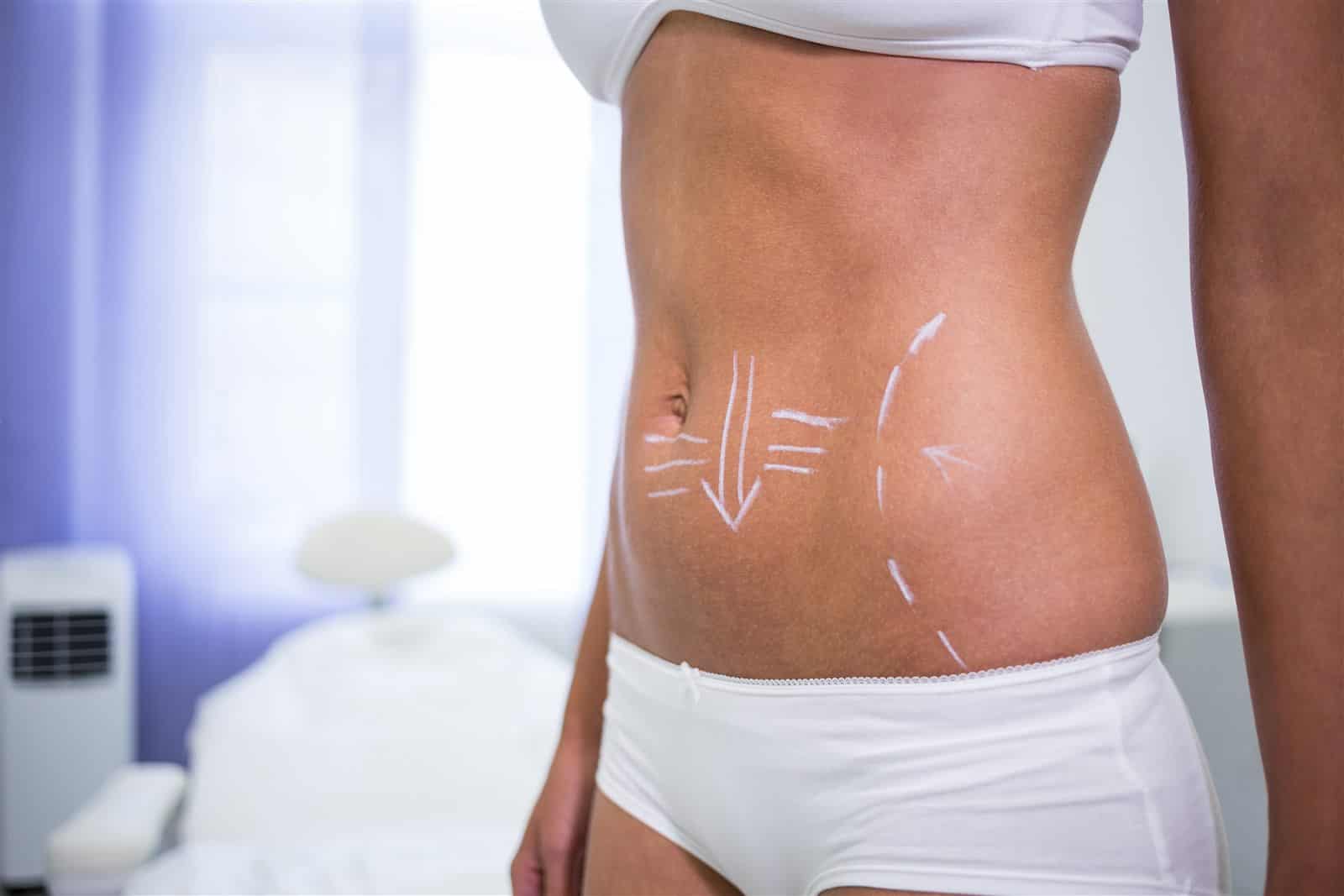
The best place for plastic surgery abroad is one where you can find a qualified plastic surgeon, a certified hospital and a clear recovery plan. Albania, Turkey, Italy, Germany and Spain are among the destinations you may consider, but safety and results depend more on the medical team than on the name of the country.
How should you choose a country for plastic surgery abroad?
Patients often search Google for “where should I have plastic surgery abroad?” or “which is the best country for cosmetic surgery?” However, there is no official ranking that guarantees one country offers better results than another.
International data shows that cosmetic surgery is performed in many countries and that most procedures take place in hospitals or dedicated surgical facilities. ISAPS emphasises that cosmetic surgery is still real surgery, with potential risks and side effects, so safety should be the main criterion.
Before choosing a destination, you should know who will operate on you, where the procedure will be performed and how your care will continue after you return home.
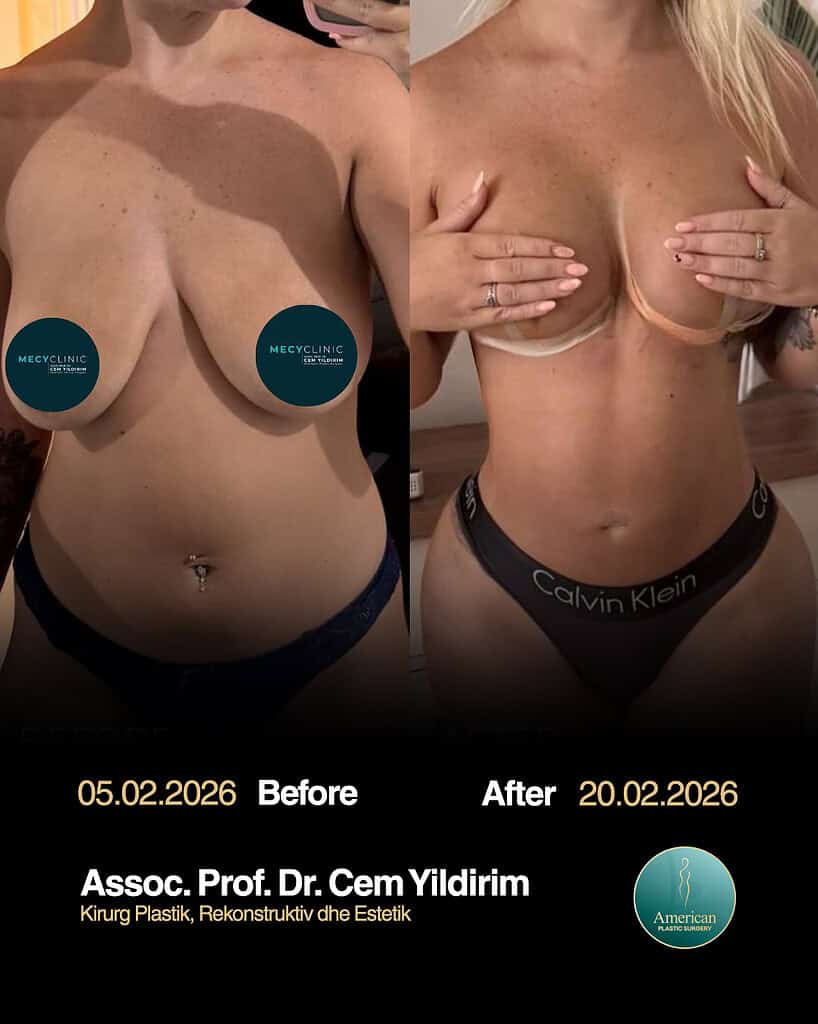
Albania for plastic surgery
Albania is a practical option for European patients seeking plastic surgery abroad, particularly those travelling from Italy and nearby countries.
Procedures for the face, breasts and body are performed in Tirana, including rhinoplasty, facelift surgery, blepharoplasty, breast surgery, liposuction and tummy tuck surgery.
The main advantage should be the possibility of having the procedure performed within a full hospital, with testing, anaesthesia, monitoring and support from other medical specialties. This is more important than selecting a clinic based only on photographs posted on social media.
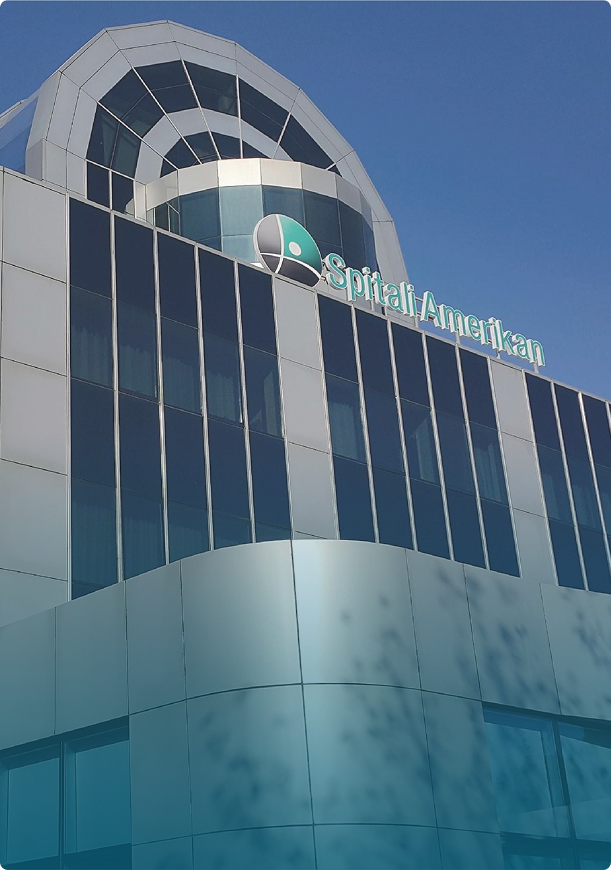
According to information published by American Hospital, the American Plastic Surgery department operates within a multidisciplinary facility with operating theatres, anaesthesia teams, diagnostic services, intensive care and round-the-clock specialist support.
Albania may suit patients who want direct communication with the team and the option to organise their consultation, surgery and follow-up appointments within the same institution.
Turkey for cosmetic surgery
Turkey is one of the destinations with the highest proportions of international cosmetic surgery patients. It has a large market, particularly in Istanbul, and offers many surgeons and institutions to compare.
The large number of options can be useful when a patient is looking for a specialist in a very specific procedure.
However, a broad market also means that the standard of care may vary considerably. A package that includes a hotel, transport and an interpreter is not proof that the surgeon or institution is suitable.
Patients should communicate with the surgeon rather than only with an agent. ISAPS recommends that intermediaries deal only with travel and accommodation, while medical decisions should be discussed directly with the doctor and the clinical team.
Italy for plastic surgery
Italy has a well-developed cosmetic surgery sector and offers many options in major cities.
It may be a practical choice for patients who live in Italy and want to remain close to home during recovery. Being near the surgeon makes it easier to attend follow-up appointments and manage concerns after the procedure.
However, the fact that a doctor practises in Italy is not enough to prove that they have the right experience for your procedure.
You should check whether the doctor is a specialist in plastic, reconstructive and aesthetic surgery, how often they perform the procedure and whether the operation will take place in an authorised facility.
Germany for plastic surgery
Germany may be considered by patients who want treatment within a large hospital system and prefer to have surgery within the European Union.
It has multidisciplinary hospitals and specialised centres, although standards may vary between institutions.
Patients should assess the surgeon’s experience in the specific procedure rather than relying only on the hospital’s name or size.
A large institution may provide broader medical support, but the consultation should still be individual and the expected outcome should be discussed according to the patient’s anatomy and health.
Spain for cosmetic surgery
Spain is another well-known destination for cosmetic procedures and has specialised centres in Madrid, Barcelona and other cities.
It may suit patients who want treatment within the EU and who can remain near the surgeon during recovery.
The language of communication should be confirmed before booking. Patients must fully understand the consent form, risks, limitations and postoperative instructions.
ISAPS advises that key staff should communicate clearly in a language the patient understands, because communication difficulties can create problems during treatment and recovery.
What matters more than the country?
The first criterion is the surgeon’s qualification. The doctor should be a certified plastic surgeon or hold the equivalent qualification under the system of the country in which they practise.
They should have documented experience in the procedure you are considering. A doctor who performs many types of aesthetic treatment does not necessarily have advanced experience in rhinoplasty, facelift surgery, Brazilian butt lift surgery or complex body procedures.
ISAPS recommends verifying the surgeon’s training, certification, professional memberships and experience. Patients have the right to know whether the doctor belongs to the national plastic surgery association and whether they are trained to perform the requested procedure.
Why should you choose a certified hospital?
The facility where surgery is performed should have trained staff, safety protocols and the ability to manage an emergency.
ISAPS considers a certified hospital or clinic one of the most reliable indicators of safety. The institution should have been assessed under the rules of its country and should follow patient safety standards.
This is particularly important for tummy tuck surgery, breast surgery, facelift surgery and combined procedures that require general anaesthesia.
Ask who will administer the anaesthetic, how long you will be monitored after surgery and what support is available if additional care is required.
How should postoperative care be organised?
Postoperative care should be planned before the trip, not after the procedure has been completed.
You should know how many days you must remain near the hospital, when follow-up appointments will take place and whom to contact if a problem develops.
The NHS warns that some clinics abroad may not provide adequate follow-up care. Patients should confirm in advance where follow-up appointments will take place and what will happen if further treatment is required.
Do not schedule your return flight based only on your ticket or hotel booking. Travel should be approved by the surgeon after your recovery has been assessed.
Should you choose a destination based on social media?
Photos and videos can help you become familiar with a surgeon’s work, but they do not show the whole process.
They may not show complications, recovery time, scar quality or long-term results.
The consultation should be held with the surgeon who will operate on you. The NHS advises patients to be cautious about travel packages and not to make decisions only through sales representatives.
Plastic surgery abroad at American Hospital
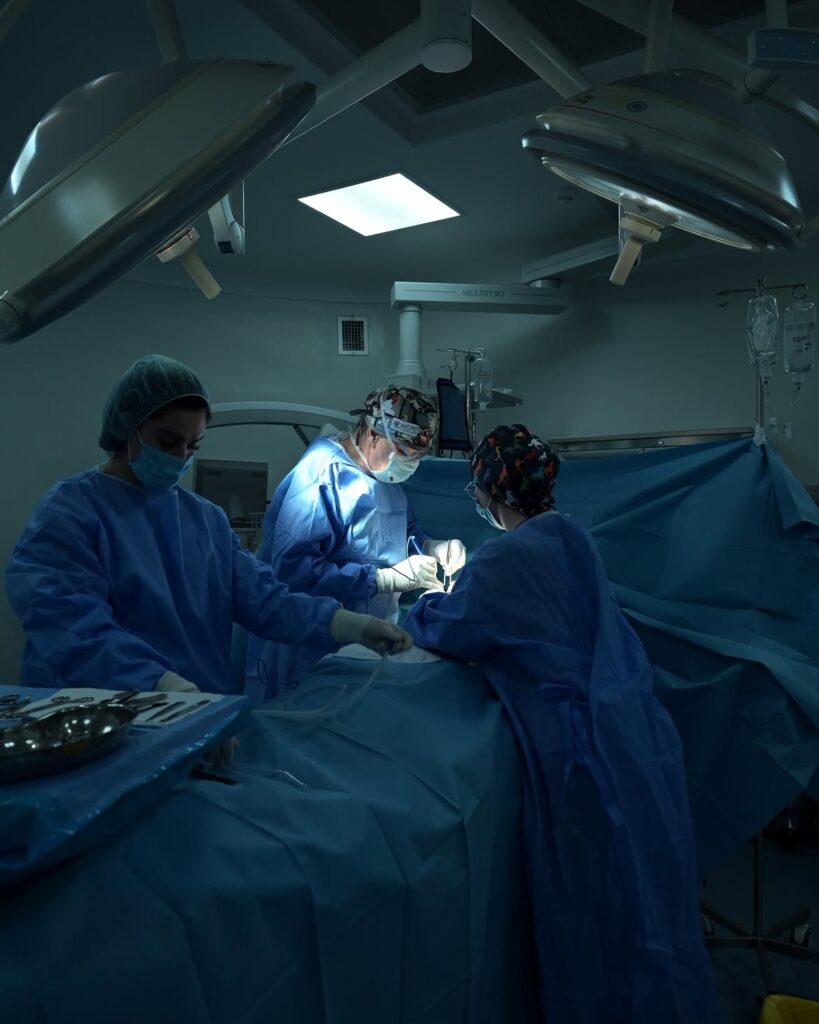
American Plastic Surgery provides aesthetic and reconstructive surgery within American Hospital in Tirana.
According to information published by the hospital, patients have access to preoperative assessments, anaesthesia teams, monitoring, intensive care and collaboration between several medical departments.
International patients can begin the process with a remote consultation. The final plan is confirmed after a physical examination and medical tests.
The aim is to select the procedure according to the patient’s health, anatomy and realistic expectations, with a clear plan for recovery and follow-up after returning home.
Frequently asked questions
Should I travel with a companion?
For many breast or body procedures, a companion is helpful during the first few days. They can assist you with luggage, dressing and transport.
Should I obtain insurance for surgery abroad?
You should check whether your insurance covers planned surgery, complications and emergency repatriation. Standard travel insurance may not cover cosmetic surgery.
Can I go on holiday immediately after surgery?
No. After surgery, you should rest and attend your follow-up appointments. Sun exposure, swimming, alcohol and tourist activities may not be permitted during the early stage of recovery.
Can the plan change after I arrive?
Yes. The physical examination, medical tests or anaesthetist’s assessment may show that the procedure should be changed, postponed or cancelled for safety reasons.
Is a small clinic as safe as a hospital?
This depends on its licensing, equipment and the procedure being performed. For larger operations, a hospital with anaesthesia, monitoring and emergency support may provide more resources if additional care is needed.