While much of the conversation around breast surgery focuses on enlargement, for a great many women the goal is the opposite. Overly large breasts can be a genuine source of daily physical discomfort and self-consciousness, and breast reduction is one of the most satisfying procedures in plastic surgery precisely because it so reliably improves quality of life.
Unlike purely cosmetic procedures, breast reduction is often as much about function and comfort as appearance. Women who have lived for years with neck and back pain, restricted activity or difficulty finding clothes that fit frequently describe the results as transformative. This guide explains who breast reduction helps, how it works, what recovery involves and what to expect.

What Is Breast Reduction?
Breast reduction, known medically as reduction mammoplasty, removes excess breast tissue, fat and skin to create breasts that are smaller, lighter and better proportioned to the body. Alongside reducing size, the procedure also lifts and reshapes the breasts, repositioning the nipple to a natural height, so the result is firmer and more youthful as well as smaller.
The aim is not simply to make the breasts smaller but to achieve a balanced, natural shape that fits the woman’s frame and relieves the physical strain that large breasts can cause. Because it combines reduction with lifting and reshaping, it shares some techniques with a breast lift, and the two are sometimes discussed together during consultation.
The Physical Toll of Overly Large Breasts
For many women considering this procedure, the motivation is rooted in years of discomfort rather than vanity. Disproportionately large breasts can cause a range of well-recognised problems.
Chronic neck, shoulder and back pain is common, as the body carries constant extra weight at the front. Bra straps can dig painful grooves into the shoulders. Skin irritation or rashes can develop in the fold beneath the breasts. Physical activity, from running to yoga, can be uncomfortable or difficult, and finding well-fitting clothing and bras can be a persistent frustration.
Beyond the physical, many women feel self-conscious about unwanted attention or the way large breasts affect their proportions and posture. Breast reduction addresses both dimensions at once, which is why patient satisfaction with this procedure is consistently high.
Who Is a Good Candidate?
Good candidates are women who experience physical symptoms or self-consciousness related to breast size, are in generally good health, and have realistic expectations. It is usually recommended that candidates are at a stable weight, since significant weight changes can alter breast size and affect the result.
Timing relative to life stage can matter. Women who are planning pregnancy in the near future are sometimes advised to consider waiting, since pregnancy and breastfeeding can change the breasts again. That said, many women choose reduction before or after their childbearing years and are delighted with the outcome. Age is not a strict barrier; suitability is about health and individual circumstances.
An open consultation is essential to discuss goals, examine the breasts, and explain what size and shape are realistically achievable for a given body.
How the Procedure Works
Breast reduction is performed under general anesthesia and typically takes two to three hours. The surgeon removes excess glandular tissue, fat and skin, reshapes the remaining breast tissue into a firmer, more lifted contour, and repositions the nipple to a natural height.
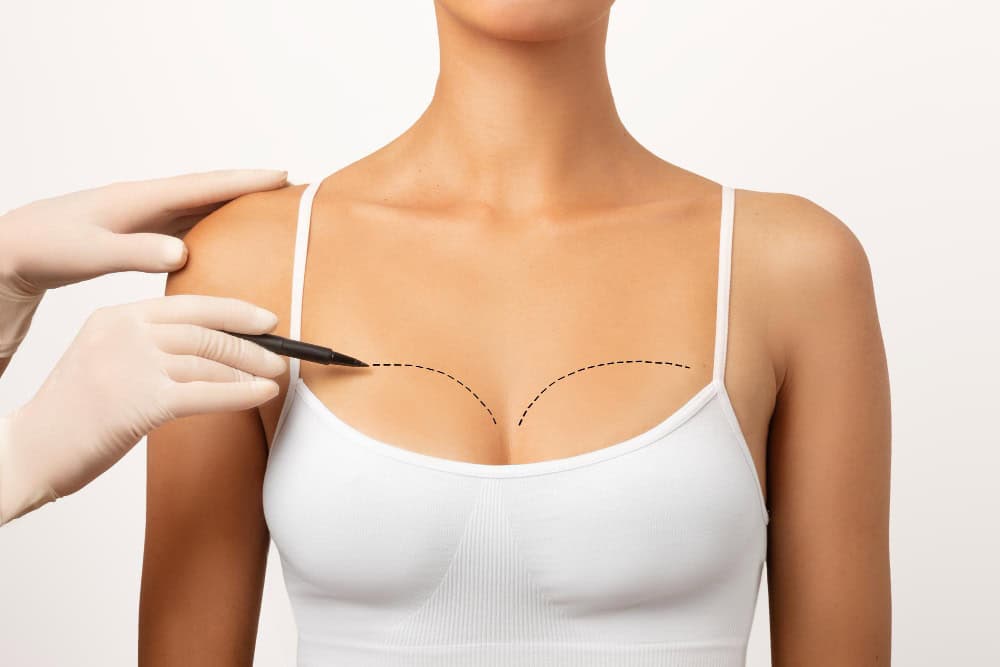
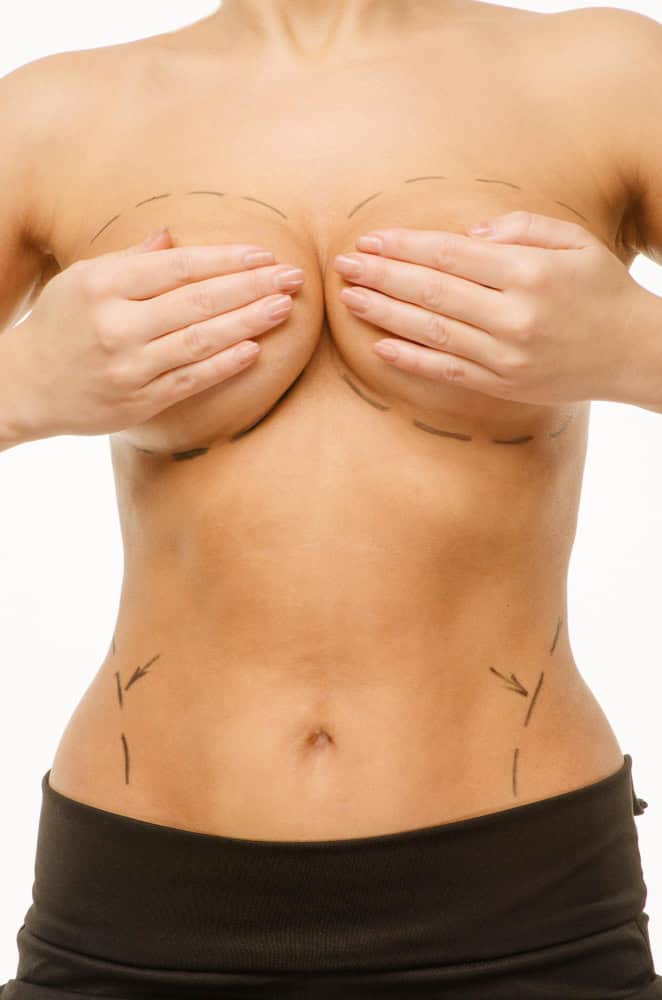
Several incision patterns exist, and the choice depends on breast size and shape and the amount of reduction needed. The surgeon aims to achieve the desired reduction and lift while placing incisions to keep resulting scars as inconspicuous as possible; these typically fade considerably over time. The result is breasts that are not only smaller but better shaped and positioned.
Because it is a well-established procedure, breast reduction has a strong track record, and an experienced surgeon balances the amount removed against maintaining a natural, proportionate shape.
Combining Breast Reduction With Other Goals
Some women choose to address their breasts as part of a broader set of aesthetic goals, and breast reduction can be combined with other procedures where appropriate. It is not unusual, for example, for women who have completed their families to consider a reduction alongside body contouring, sometimes as part of a wider mommy makeover that restores the body after pregnancy and breastfeeding.
Because breast reduction already incorporates a lift, women whose main concern is sagging rather than size may find that a breast lift alone meets their needs, while those troubled by both size and position benefit from the reduction’s combined effect. Whether combining procedures is right for you depends on your health, the extent of surgery involved, your recovery capacity and your surgeon’s judgement. Combining operations can mean a single recovery period rather than two, which some patients find convenient, but it is a decision made carefully and individually during consultation rather than a default. An experienced surgeon will advise honestly on what can safely be achieved in one procedure.
What Recovery Involves
Recovery from breast reduction is very manageable for most women, and many say the relief from the weight they had been carrying is noticeable almost immediately.
Swelling, bruising and tenderness are normal in the early weeks. A supportive surgical bra is worn to support the breasts as they heal and settle into their new shape. Most women take one to two weeks off work depending on their role, and strenuous activity and upper-body exercise are paused for several weeks and reintroduced gradually on the surgeon’s advice.
Discomfort in the early days is generally well controlled with prescribed pain relief. Scars are firm and pink at first and soften and fade over the following months. Following the aftercare instructions, particularly around wearing the support garment and avoiding heavy lifting, gives the best result.
When Will I See Results?
An improvement in proportion and comfort is apparent immediately, and the relief from physical strain is often felt very early. The final shape continues to refine over several months as swelling fully resolves and the tissues settle. Scars mature and fade over a longer period, typically becoming much less noticeable within a year.
For most women, the results are long-lasting, especially when weight remains stable. The combination of a lighter, better-proportioned bust and relief from years of discomfort is why so many describe breast reduction as one of the best decisions they have made.
Why the Hospital Setting Matters
As a procedure performed under general anesthesia, breast reduction benefits significantly from being carried out in a full hospital. At American Hospital, the plastic surgery department operates within a complete medical facility offering advanced anesthesia, 24/7 monitoring and immediate specialist support, standards that standalone clinics cannot match.
For international patients, recovering in a professional setting before travelling home adds real peace of mind, and the medical tourism team coordinates the entire journey. If you are weighing up where to have surgery, our article on where to go for plastic surgery abroad offers useful guidance.
Final Thoughts
Breast reduction is a highly effective procedure that does far more than change appearance, it relieves genuine physical discomfort and restores confidence and freedom of movement. For women who have spent years coping with the weight and strain of overly large breasts, it can be genuinely life-changing, with consistently high satisfaction rates.
If large breasts are affecting your comfort, health or confidence, a consultation is the best next step to understand your options and what a reduction could achieve for you.

Frequently Asked Questions
Does breast reduction relieve back and neck pain?
Many women experience significant relief from neck, shoulder and back pain after breast reduction, because the procedure removes the excess weight that had been straining the body.
Will I have visible scars?
Some scarring is unavoidable, but incisions are placed to be as inconspicuous as possible and typically fade considerably over the year following surgery.
How much smaller will my breasts be?
The amount of reduction is planned with you during consultation, balancing your goals with a natural, proportionate shape for your frame.
How long is the recovery?
Most women take one to two weeks off work and resume full activity, including upper-body exercise, over several weeks on their surgeon’s advice.
Can I breastfeed after breast reduction?
Breastfeeding may be affected because breast tissue is removed, though some women are still able to breastfeed. If future breastfeeding is important to you, discuss it with your surgeon during consultation.