Weight-loss medications known as GLP-1 receptor agonists, such as semaglutide (sold as Ozempic and Wegovy) and tirzepatide (sold as Mounjaro), have changed how millions of people lose weight. For many patients the results are life-changing. But losing a large amount of weight quickly often brings an unexpected new problem: loose, sagging skin on the abdomen, arms, thighs, breasts and face.
If you are dealing with loose skin after Ozempic or another GLP-1 medication, you are not alone, and exercise is unlikely to fix it on its own. This guide explains why it happens, when the right time for surgery is, which body contouring procedures can help, and what you need to tell your surgeon about your medication before any operation.
Why Does Rapid Weight Loss Cause Loose Skin?
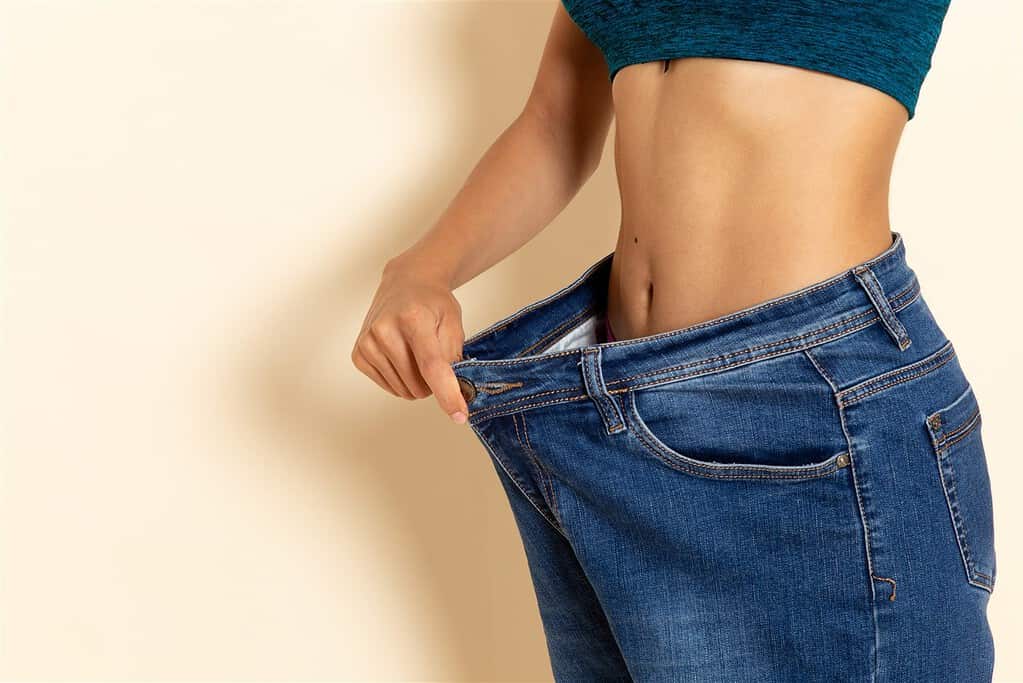
Skin is an elastic organ, but its ability to stretch and shrink back has limits. When you carry extra weight for a long time, the collagen and elastin fibres that keep skin firm are stretched and weakened. When the weight then comes off, especially quickly, the skin often cannot contract enough to follow the new, smaller body shape underneath.
Several factors influence how much loose skin you are left with:
- How much weight you lost – the greater the loss, the more excess skin is likely
- How fast you lost it – rapid loss gives skin less time to adapt
- Your age – collagen production naturally declines over time
- Genetics and skin quality – some people simply have more elastic skin
- Sun exposure and smoking – both damage collagen
- How long you carried the excess weight
This is not a new phenomenon. Plastic surgeons have treated loose skin after bariatric surgery for decades. What has changed is the number of people reaching significant weight loss through medication. According to the American Society of Plastic Surgeons’ 2025 report, 82% of member surgeons received consultation requests related to GLP-1 use, and restoration after weight loss was one of the leading reasons patients sought surgery.
Can Exercise or Creams Fix Loose Skin After Ozempic?
Building muscle through strength training can improve body shape and make the area under the skin firmer. Good hydration, nutrition and sun protection support skin health. However, once skin has been significantly stretched, no exercise programme, cream or massage can remove the excess. Non-surgical skin-tightening devices may help with very mild laxity, but they cannot remove folds of hanging skin.
For moderate to severe loose skin, surgery that physically removes the excess and tightens what remains is the only reliable solution.
When Is the Right Time for Body Contouring After GLP-1 Weight Loss?
Timing is one of the most important factors for both safety and long-lasting results. Most plastic surgeons look for the following before recommending surgery:
1. A stable weight
Your weight should have been stable, usually for around three to six months or more, before body contouring. If you are still losing weight, the skin will continue to loosen after surgery and the result may be compromised. If you are considering stopping your medication, it is wise to see how your weight behaves afterwards, because some patients regain weight when treatment ends.
2. Being close to your goal weight
Surgery gives the best and most predictable results when you are at or near a weight you can realistically maintain.
3. Good nutritional health
Because GLP-1 medications reduce appetite significantly, some patients eat too little protein, iron or vitamins. Healing depends on good nutrition, so your surgical team may recommend blood tests and a period of nutritional optimisation before surgery. Research also suggests that patients who lost weight faster and in greater amounts before abdominal contouring may face a higher risk of wound complications, which is another reason not to rush.
4. Overall health
Weight loss often improves conditions such as diabetes and high blood pressure, but they still need to be well controlled before surgery.
Body Contouring Procedures for Loose Skin After Ozempic
The right procedure depends on where your loose skin is and how much of it there is. Many patients need a combination of procedures, which may be performed in one or more stages.
Abdomen: tummy tuck and apronectomy
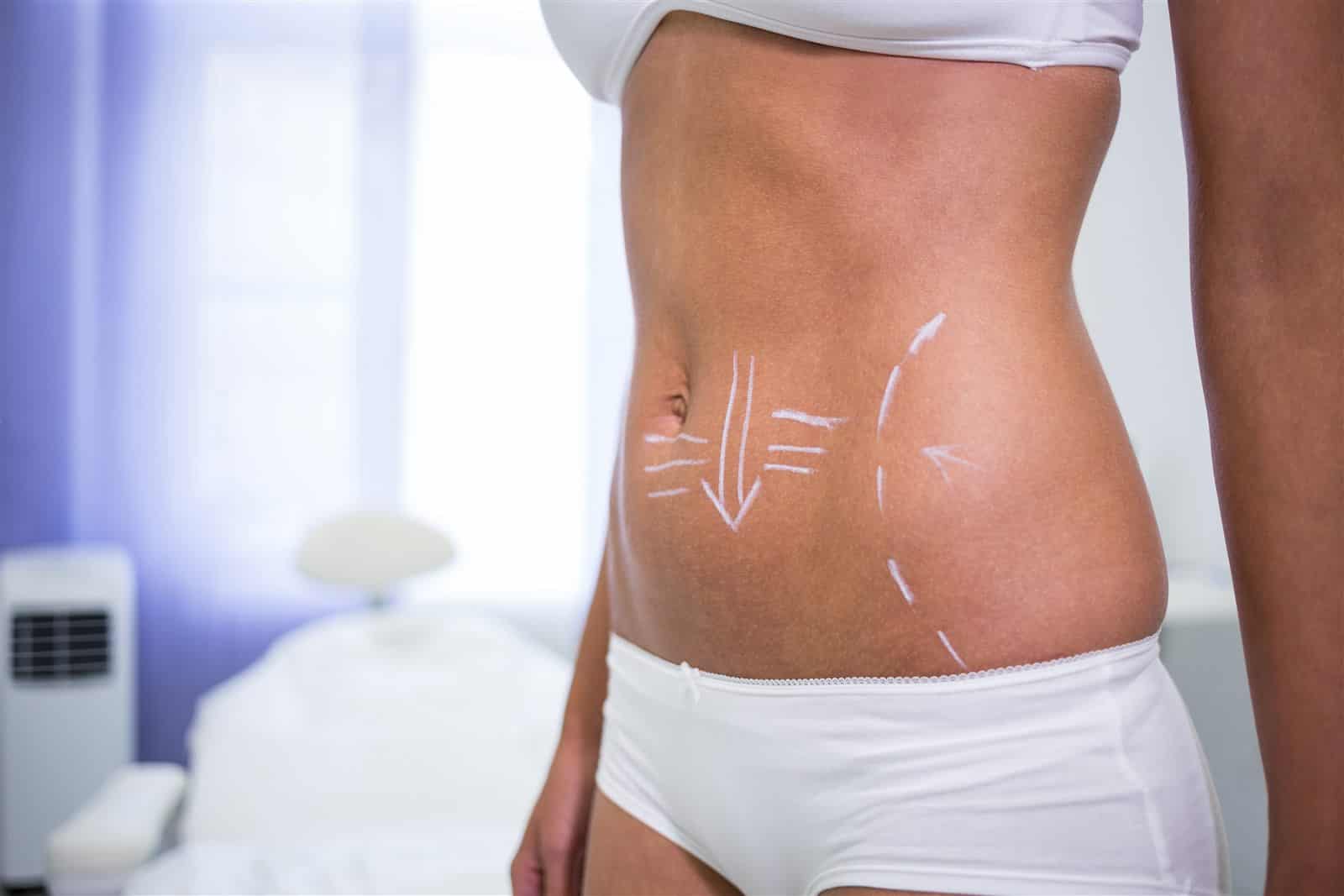
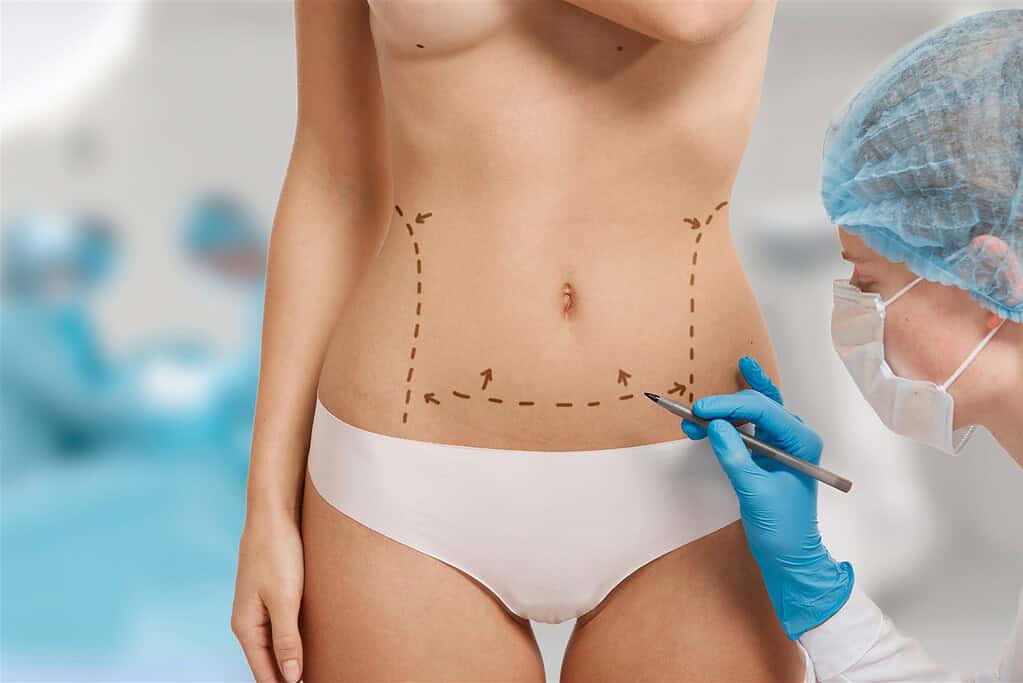
The abdomen is often the area that bothers patients most. A tummy tuck (abdominoplasty) removes loose skin from the lower abdomen and can also repair separated abdominal muscles. When a heavy fold of skin hangs over the pubic area, an apronectomy (panniculectomy) removes this “apron”. If excess skin extends around the sides and back, an extended tummy tuck may be recommended.
Waist, hips and buttocks: body lift
A lower body lift treats loose skin around the entire circumference of the lower trunk, lifting the buttocks and outer thighs while tightening the abdomen. It is a larger operation, typically suited to patients who have lost a very large amount of weight.
Upper arms: arm lift
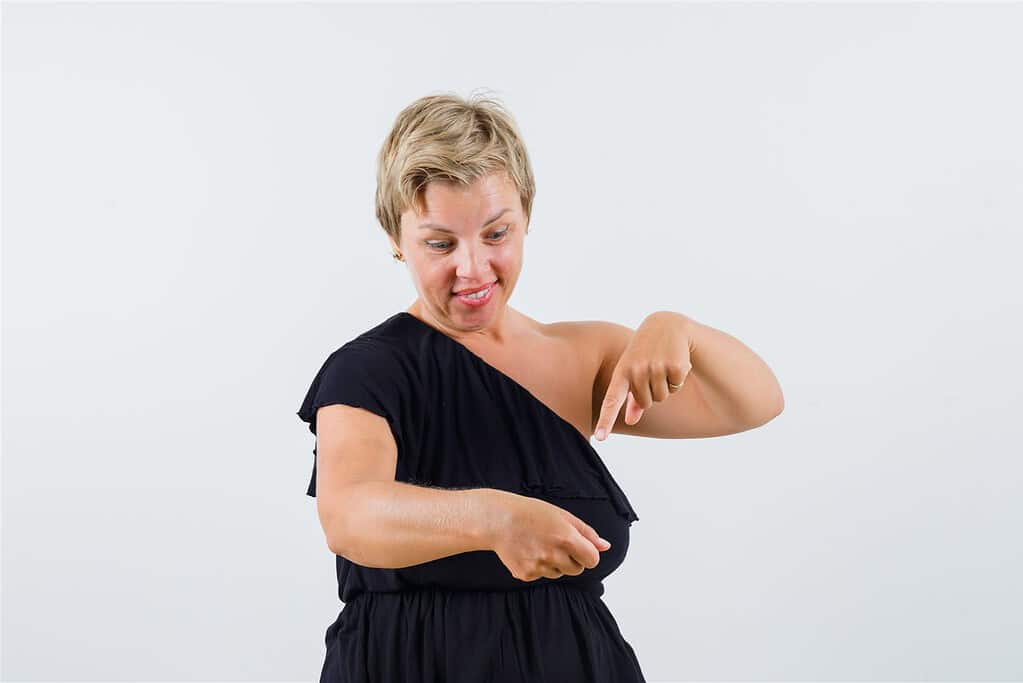
Loose skin hanging from the upper arms is very common after weight loss. An arm lift (brachioplasty) removes this skin through an incision along the inner arm. The scar is permanent, but it is placed where it is least visible, and for most patients the improvement in arm shape and clothing fit outweighs the scar.
Thighs: thigh lift
A thigh lift removes loose skin from the inner thighs, reducing chafing and improving contour.
Breasts and chest
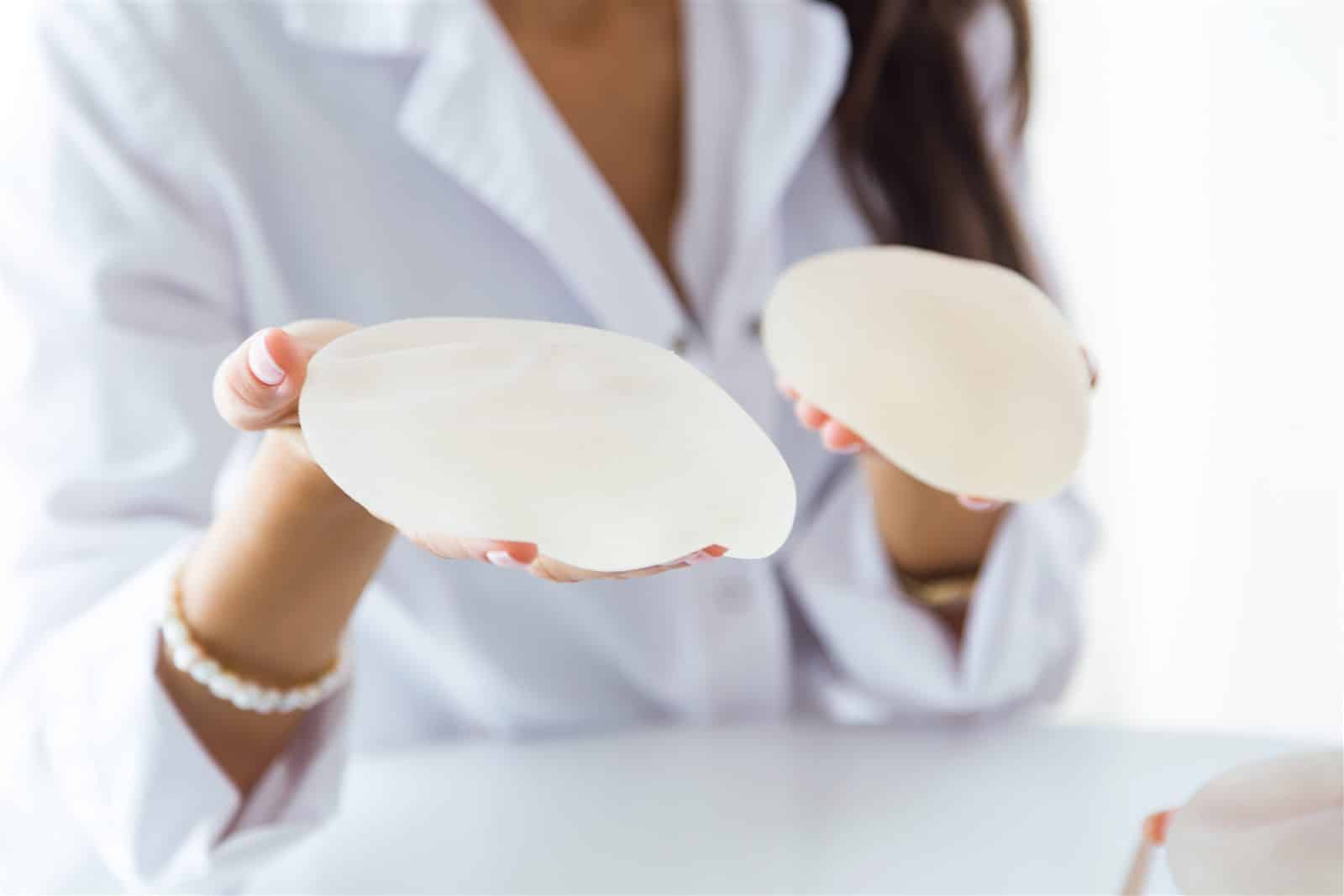
Women often notice deflated, sagging breasts after weight loss, which can be corrected with a breast lift, with or without implants. We explain this decision in detail in our article Breast Lift After Weight Loss: When Implants Are Not Enough? Men may be left with loose chest skin, which can be treated with male chest surgery.
Face and neck
Rapid weight loss can also cause volume loss in the face, sometimes nicknamed “Ozempic face”, with hollow cheeks, deeper folds and a looser neck. Depending on the cause, options include facial fat transfer to restore volume, a neck lift or a facelift.
Important: Tell Your Surgeon About Your GLP-1 Medication
GLP-1 medications slow down how quickly the stomach empties. Under general anaesthesia or deep sedation, food remaining in the stomach can increase the risk of regurgitation and aspiration into the lungs. For this reason, the American Society of Anesthesiologists has issued guidance that these medications may need to be paused before elective surgery. Guidance on exact timing continues to evolve and is applied individually.
What this means for you in practice:
- Always tell your surgeon and anaesthesiologist that you take, or recently took, a GLP-1 medication, including the dose and the day you take it
- Do not stop your medication on your own, especially if you take it for diabetes; any pause should be coordinated between your prescribing doctor and your surgical team
- Follow fasting instructions carefully
At American Hospital, surgery takes place within a fully equipped hospital with experienced anaesthesiology teams, 24/7 monitoring and access to internal medicine specialists, which is particularly valuable for patients with a complex medical history.
Can Several Procedures Be Done at Once?
Combining procedures, for example a tummy tuck with a breast lift, can mean a single anaesthetic and recovery. However, longer operations carry higher risk. For patients with extensive loose skin, surgeons often recommend staging: treating the most important area first and the remaining areas a few months later. Safety, not speed, should guide the plan. Read more in our guide comparing a tummy tuck vs liposuction if you are unsure whether you have excess fat, excess skin or both.
What Does Recovery Look Like?
Recovery depends on the procedures performed. As a general guide:
- You will wear compression garments for several weeks to support the tissues and reduce swelling
- Drains may be placed for a few days after larger procedures
- Walking gently from the first day helps circulation and lowers the risk of blood clots
- Most patients return to light activities and desk work within two to three weeks, and to the gym after around six weeks, as advised by the surgeon
- Scars mature and fade gradually over twelve to eighteen months
International patients usually stay in Tirana for around one to two weeks after body contouring, so the surgical team can monitor the early healing phase before you fly. Your surgeon will confirm the right length of stay for your procedure.
Will the Results Last?
The skin and fat removed during body contouring do not come back. As long as you maintain a stable weight, your new contour should last for many years, although natural ageing and gravity will continue to have an effect. Significant weight regain, for example after stopping medication without a long-term plan, can stretch the skin again. This is why the period of stable weight before surgery matters so much.
Body Contouring After Weight Loss at American Hospital
The Plastic Surgery Department at American Hospital offers a full range of post-weight loss surgery and body contouring procedures. Because we are part of a multi-specialty hospital with 33 departments, patients benefit from internal medicine, nutrition and anaesthesiology support under one roof, from the first assessment to discharge.
To find out which procedures could treat your loose skin after Ozempic or another GLP-1 medication, send us photos of the areas that concern you, along with information about your weight-loss journey and current medication, for a free online consultation.
Frequently Asked Questions
Will loose skin after Ozempic go away on its own?
Mild laxity may improve slightly over the first year as skin adapts, but significant loose skin, especially in folds, will not disappear on its own. Surgery is the only way to remove it.
Do I need to stop Ozempic or Mounjaro before surgery?
Often, yes, for a period before the operation, because these drugs slow stomach emptying and can affect anaesthesia safety. The exact timing is decided individually by your surgical team together with your prescribing doctor. Never stop the medication without medical advice.
How much weight do I need to lose before body contouring?
There is no fixed number. What matters most is that you are near your goal weight and your weight has been stable for several months.
Is body contouring the same as liposuction?
No. Liposuction removes fat but does not remove skin. After major weight loss, most patients need procedures that remove excess skin, sometimes combined with liposuction for refinement.
Are the scars worth it?
Body contouring scars are permanent, but surgeons place them where clothing or underwear can hide them as much as possible. Most patients feel that the improvement in comfort, hygiene, body shape and confidence outweighs the scars.
Ozempic and Wegovy are trademarks of Novo Nordisk; Mounjaro is a trademark of Eli Lilly and Company. This article is for general information and does not replace a personal medical consultation.